The Intimate Desert: What Really Happens in Your Body and Brain
Share
You hear all sorts of things about abstinence. For some, it's a source of frustration; for others, a path to increased productivity. But what does science really say? Stopping sexual activity is accompanied by biological changes.
Here are the three key stages your body goes through during a period of "dryness".
1. Neurochemical withdrawal: the "crash" of happiness hormones
As early as the second week, the brain feels the absence of two major molecules: dopamine (the reward circuit) and oxytocin (the hormone of attachment and soothing).
During a sudden stop, the brain enters a state of mild withdrawal. This deficiency can manifest as:
- Increased irritability.
- Decreased motivation.
- Difficulty falling asleep.
Natural health advice: to compensate for this deficiency, focus on physical activity and foods rich in tyrosine (almonds, avocados), which is the precursor to dopamine.
2. Immunity and circulation: the "use it or lose it" myth
Contrary to popular belief, your organs do not atrophy. However, physiology changes.
- Decrease in IgA: studies (notably by Charnetski et al.) suggest that regular activity stimulates the production of immunoglobulin A, our first barrier against viruses. Abstinence can therefore make the immune system slightly less reactive.
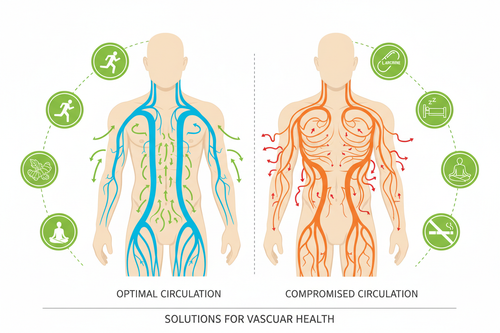
- Blood flow: the pelvic area is less stimulated by vasocongestion. In the long term, this can reduce tissue elasticity.
Natural health advice: do not let the area "stagnate". Yoga, the Pilates method, or simply brisk walking help maintain optimal blood circulation in the lower abdomen.
3. The recharge phase: the transmutation of energy
This is where abstinence becomes interesting. Once the withdrawal phase has passed, some people say they feel a boost in creativity, focus, or mental strength.
Studies do not show any real "reallocation" of energy, but this feeling may come from a change in routine and priorities. There is nothing magical about it: your nervous system simply uses its resources differently.
A season, not a destiny
Abstinence is neither a disease nor a miracle solution. It is a different season for your biology. The important thing is to stay attuned to your needs and support your body with a suitable diet and effective stress management.
Would you like personalized support?
Discover the Le Terrier's personalized follow-up to ask your questions and benefit from support, for ten euros a month.
FAQ: understanding the biology of abstinence
1. "Can abstinence cause long-term health problems?"
Answer: generally, no. The available evidence does not point to any particular danger, and the body adapts well. If this period comes with low mood, sleep problems, or pain, talk to a doctor. The only point of vigilance is blood circulation in the pelvic area (vasocongestion). This is why I recommend staying physically active (sports, yoga) to maintain good blood flow and tissue oxygenation.
2. "How long does the 'crash' phase (dopamine deficiency) last?"
Answer: it varies from person to person, but generally, the peak of irritability is between the 2nd and 4th week. Once the brain understands that it must stabilize its neurotransmitters differently, the mood balances out and we often enter the phase of "recharge" and mental clarity.
3. "Can sports really replace sexual activity for immunity (IgA)?"
Answer: sports are an excellent substitute. Moderate physical activity also supports immunity and releases endorphins (which act on opioid receptors) as well as dopamine, two molecules linked to feeling good. It is not a perfect "replacement", but it is the best natural lever to keep an immune system at its best during a period of calm.
4. "Why do I feel more creative/focused after a month without sex?"
Answer: this is what is sometimes called "transmutation". No study shows that the energy or nutrients (such as zinc) tied to reproductive function are redirected to the brain. This feeling, which is real for some people, may come instead from a change in routine, priorities, or focus.
5. "Does abstinence lower testosterone levels (for men)?"
Answer: it is a persistent myth. One small study observed a temporary testosterone spike around day 7 of abstinence, and nothing points to a lasting drop. Long-term data are still limited. Once again, resistance training (weightlifting) helps maintain an optimal level.
6. "I have trouble sleeping since I no longer have a partner, what should I do?"
Answer: this is linked to the drop in oxytocin, which is the ultimate relaxation hormone. In naturopathy, calming herbs such as valerian or passionflower may help in the evening (avoid them during pregnancy and tell your doctor if you take any medication, especially for sleep or anxiety), as can heart coherence breathing, which helps your nervous system settle, even without the hormonal "rush" that follows sex.