Beginner's Guide to Essential Oils and Their Uses
Share
Essential oils have become a popular choice for those looking to improve their personal care routine naturally. These effective plant extracts offer more than just pleasant fragrances. They can bring soothing, comforting, and invigorating benefits to your daily life. This guide will introduce you to the best essential oils to have at home for self-care and how to use them safely and effectively.
What are essential oils?
Essential oils are concentrated extracts from different parts of plants, such as flowers, leaves, or bark. These oils capture the plant's fragrance and beneficial properties. Extraction methods such as steam distillation or cold pressing allow the oils to be collected without altering their natural qualities.
Because they contain the essence of the plant, essential oils are effective. A small amount is enough, making them suitable for various uses, including aromatherapy and topical applications.
Why use essential oils for self-care?
The benefits of aromatherapy for beginners can truly improve your well-being. Using essential oils in your self-care routine can help relieve stress, improve your mood, and enhance the quality of your sleep.
Stress relief is probably the most common reason people turn to essential oils. Scents like lavender soothe the nervous system, making you feel more relaxed after a busy day. Mood improvement is another benefit; oils like lemon or peppermint can refresh your mind and keep you energized. For better sleep, lavender creates a peaceful environment that supports restorative sleep.
Incorporating essential oils into your daily routine is simple. You can add a few drops to a diffuser, mix them into a carrier oil for a massage, or even put them in your bath. These easy steps make essential oils a practical addition to your self-care habits.
The best essential oils to have at home for self-care
Choosing the best essential oils to have at home for self-care means selecting ones that cover a range of needs. Here are five essentials that every beginner should consider:
- Lavender: known for its soothing and relaxing effects, lavender helps reduce anxiety and promotes restful sleep.
- Peppermint: this oil is refreshing and energizing, helping to clear the mind and increase concentration.
- Tea tree: with its cleansing and healing properties, tea tree oil is ideal for skincare and minor cuts or irritations.
- Eucalyptus: it offers respiratory relief by opening the airways and easing congestion.
- Lemon: brightening and cleansing, lemon oil improves your mood and helps purify the air.
These oils cover many common self-care needs, making them a practical starting point.
Want an opinion on your situation? During a vitality assessment, we review your diet, sleep, stress, and goals together, then build a plan tailored to your pace.
How to use essential oils safely
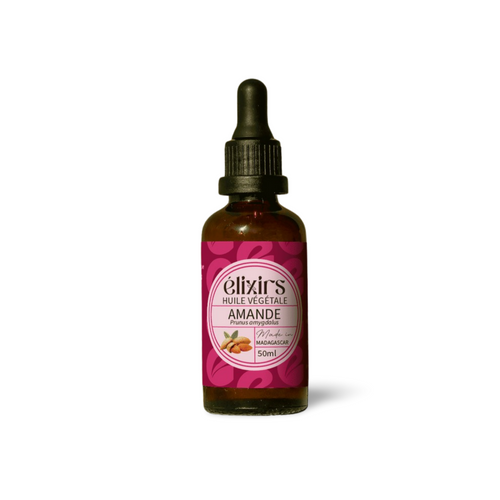
Safety is paramount when using essential oils. Because they are highly concentrated, the oils must be diluted with a carrier oil such as coconut, jojoba, or almond oil before applying them to your skin. This helps prevent irritation and allergic reactions.
Doing a patch test is a smart step. Apply a diluted drop to a small area of your skin and wait 24 hours to see if a reaction occurs. Avoid using undiluted essential oils directly on the skin, as this can cause burns or sensitivity.
Also be careful with certain oils during pregnancy, around pets, and with children. Avoid ingestion except under the guidance of a healthcare professional.
Peppermint and eucalyptus are not recommended for young children, or during pregnancy and breastfeeding: ask your doctor, midwife, or pediatrician before using them.
A few easy DIY recipes with essential oils
Trying simple DIY recipes is a fun way to enjoy the benefits of essential oils.
- Relaxing bath: mix 10 drops of lavender oil with one cup of Epsom salts. Add to the warm bathwater and soak for 20 minutes to relax. Essential oils do not mix with water: first dilute the drops in a bath dispersant (or a tablespoon of carrier oil) before adding them.
- Homemade room spray: combine 1 cup of water with 20 drops of lemon and 10 drops of eucalyptus oil in a spray bottle. Shake well before spraying to refresh any room.
- Simple massage oil blend: mix 10 drops of peppermint and 10 drops of tea tree oil into 2 tablespoons of carrier oil. Use for a refreshing and purifying massage.
These recipes are easy to make and help incorporate essential oils into your daily self-care.
Tips for choosing quality essential oils
Not all essential oils are created equal, so it is important to know how to choose quality products. Always check the label for a 100% pure essential oil, which means it is free from fillers or synthetic ingredients.
Trusted brands will often provide details about the oil's origin and extraction methods. Look for oils that have been tested for purity and quality.
Avoid synthetic oils, which can mimic fragrance but lack therapeutic benefits. This ensures that you get the full benefits of aromatherapy, whether you are a beginner or experienced.
Key takeaways
The best essential oils to have at home for self-care, such as lavender, peppermint, tea tree, eucalyptus, and lemon, offer a wide range of benefits. From stress relief to respiratory support, these oils can improve your daily routine.
Starting with safe use and quality oils will allow you to explore essential oils with confidence. Adding these natural remedies to your self-care toolkit can elevate your wellness journey in a simple and enjoyable way.
Want daily support? Le Terrier's personalized follow-up, at €10 per month, allows you to ask us questions in writing and move at your own pace.