Cortisol and diabetes: how stress affects blood sugar
Share
These unexplained awakenings at 3 a.m., with your heart pounding, may not be random. Behind these restless nights often lies a discreet but devastating hormone: cortisol. Rarely discussed in the context of diabetes, this stress molecule nevertheless plays a central role in the development of insulin resistance. Several studies suggest that chronically high cortisol may promote insulin resistance and, along with other factors, contribute to the development of type 2 diabetes.
The troubling correlation between stress and diabetes
The figures speak for themselves. American Psychological Association surveys show that many adults report feeling stressed on a regular basis. Over the same period, cases of type 2 diabetes have risen sharply. Epidemiological research has found a link between prolonged stress and metabolic disorders, although other factors (diet, physical inactivity, sleep) also play a major role.
Cortisol, this hormone secreted by the adrenal glands in response to stress, was originally designed to save our lives in the face of immediate dangers. The problem: our primitive brain cannot distinguish between a predator and a stressful smartphone notification. The result: we are bathed in chronically high cortisol, creating the perfect biochemical conditions for insulin resistance.
The destructive four-step mechanism
When you experience stress, real or perceived, your adrenal glands release cortisol into the bloodstream. This hormone immediately orders the liver to release stored glucose, preparing your muscles for action: fight or flee. This was relevant when facing a mammoth, but much less so when facing a traffic jam.
Without physical activity to use this mobilized glucose, the sugar accumulates in the blood. The pancreas then secretes insulin to bring blood sugar back to normal. But when this scenario repeats daily, cells gradually become insensitive to insulin, a phenomenon called insulin resistance. The pancreas must produce more and more insulin to achieve the same effect, until it becomes exhausted. This is the classic trajectory toward pre-diabetes and then type 2 diabetes. For everyday actions, also see our guide to naturally stabilize your blood sugar.
Research published in The Journal of Clinical Endocrinology & Metabolism confirms that people with high morning cortisol levels have a 2.3 times higher risk of developing diabetes in the following ten years.
The eight warning signs of excessive cortisol
The body sends signals long before diabetes appears. Frequent nighttime awakenings, particularly between 2 and 4 a.m., often indicate reactive hypoglycemia caused by cortisol. Stubborn abdominal fat, even with a balanced diet, results from cortisol's lipogenic effect on the visceral region.
Paradoxical fatigue, where you feel exhausted while being unable to relax, reflects a dysregulation of the hypothalamic-pituitary-adrenal axis. Afternoon sugar cravings may reflect swings in blood sugar and fatigue; cortisol itself tends to raise blood sugar rather than lower it. Increasing irritability and difficulty concentrating reflect cortisol's impact on brain neurotransmitters.
Finally, skin that marks easily and slow healing testify to cortisol's catabolic effect, which breaks down connective tissues. If you have four or more of these symptoms, your metabolism is sending calls for help that would be risky to ignore.
To go further: our "Type 2 Diabetes" guide brings together a step-by-step action plan (diet, physical activity, sleep, monitoring) to take back control of your blood sugar, in conjunction with your doctor.
Natural approaches backed by research
Research offers encouraging prospects. A controlled study published in Psychoneuroendocrinology in 2020 followed 128 participants practicing ten minutes of daily mindfulness meditation. After eight weeks, their salivary cortisol levels had decreased by 23%, with a significant improvement in insulin sensitivity.
Walking in nature, practiced thirty minutes a day, reduces cortisol in a manner comparable to anxiolytics according to Japanese research on "forest bathing". Heart coherence breathing, a technique of five breaths per minute practiced three times a day, can help calm the autonomic nervous system, and some studies suggest a positive effect on cortisol.
Restorative yoga, with its passive postures held for long periods, promotes relaxation and may help offset the effects of chronic stress. These approaches have one thing in common: they are free, accessible, and have shown encouraging results in studies.
A three-step anti-cortisol routine
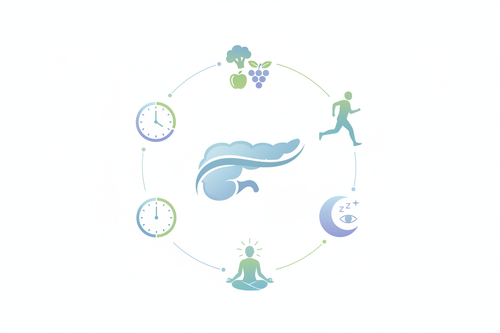
Simplicity guarantees adherence. Start your day with five minutes of deep abdominal breathing before even leaving bed. This practice recalibrates your nervous system and prevents the excessive morning cortisol spike. During the day, establish two-minute micro-breaks every two hours to breathe consciously and break the accumulation of tension.
In the evening, create a decompression ritual: turn off screens one hour before bedtime to allow the natural rise of melatonin, ten minutes of progressive relaxation or guided visualization to activate the parasympathetic response. Practiced regularly, this simple routine can help you manage stress better and, along with diet and physical activity, support better insulin sensitivity. If you have diabetes or take medication, talk to your doctor.
Act today to prevent tomorrow
Today's stress can become tomorrow's diabetes, but this trajectory is not inevitable. Understanding cortisol's role in the genesis of diabetes gives you the power to intervene before the disease takes hold. Every conscious breath, every moment of presence, every restorative night are concrete preventive acts.
For those who wish to support this approach with natural adaptogens (ashwagandha, rhodiola, magnesium) recognized for regulating cortisol, our shop offers a rigorous selection of high-quality supplements. And if you desire personalized support to develop an anti-stress strategy adapted to your metabolic situation, remote consultations are available on our site, allowing you to benefit from tailored advice from home.
Want daily support? Le Terrier's personalized follow-up, at €10 per month, allows you to ask us questions in writing and move at your own pace.