Fruit and diabetes: the complete guide to consuming it safely
Share
“You have diabetes? Then forget about fruit.”
This misconception has deprived millions of people of a simple pleasure and, above all, valuable health allies.
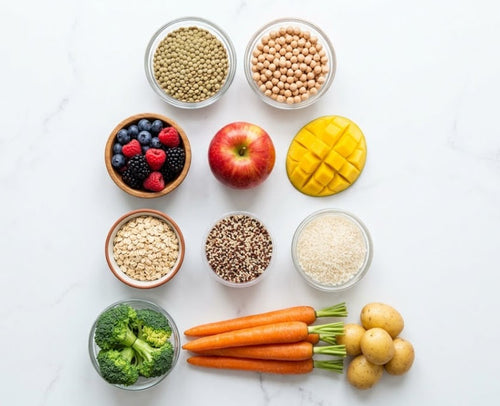
No, the natural sugar in fruit is not “just another sugar.” The fructose in an apple does not behave like the sugar in a processed cookie. The difference: the fruit’s fibrous matrix - fiber that slows absorption, water that dilutes the carbohydrates, and antioxidants that protect your cells.
This natural “packaging” changes everything. By the end of this article, you will know exactly which fruits to prioritize and how to eat them to protect your blood sugar.
Important if you are being treated for diabetes: never change or stop a treatment without your doctor’s advice. Changing your diet or physical activity while taking medication can cause your blood sugar to drop sharply (hypoglycemia). Tell your doctor before you start so they can adjust your treatment if necessary.
Glycemic Index vs. Glycemic Load: the Essential Distinction
Two indicators guide your choices:
- The Glycemic Index (GI) measures the speed at which a food raises your blood glucose
- The Glycemic Load (GL) takes into account the actual amount of carbohydrates per serving
The Revealing Case of Watermelon
Watermelon has a high GI of 72, yet its GL is only 4 for 150g. Why? It is 92% water, so the actual sugar consumed is minimal.
| Fruit | Glycemic Index | Glycemic Load |
|---|---|---|
| Watermelon | 72 (high) | 4 (low) |
| Raisins | 64 (moderate) | 28 (high) |
| Strawberries | 40 (low) | 1 (very low) |
The lesson: GL is what truly predicts the impact on your blood sugar, not GI alone.
Want to learn more about managing your diabetes?
Discover our “Guide to Natural Remission” e-book: a comprehensive program that guides you step by step to stabilize your blood sugar, adapt your diet, and regain your energy.
The 6 “Friendly” Fruit Groups for People with Diabetes
1. Citrus Fruits, Easy to Incorporate
Lemon, grapefruit, orange, mandarin, clementine
GI of 35-45, GL of 3-6 per fruit.
Their natural acidity can slow stomach emptying and, therefore, sugar absorption. Their flavonoids are being studied for their effects on insulin sensitivity and blood vessel health.
Tip: lemon is easy to use in dishes and drinks without added sugar.
Serving: 1 whole fruit per day
2. Berries and Red Fruits, the Best Choices
Strawberries, raspberries, blackberries, redcurrants, blackcurrants
The best choices: GI of 25-40, GL of 1-4 per serving.
These small fruits have a very good fiber-to-sugar ratio. Their anthocyanins are being studied for their beneficial effects on insulin sensitivity. In a large study published in the BMJ in 2013 (Muraki et al.), regular consumption of certain whole fruits, especially blueberries, was associated with a lower risk of type 2 diabetes, while fruit juices were associated with a higher risk.
Serving: 150g per day
3. Stone Fruits, a Pleasant Surprise
Apricot, peach, nectarine, plum
GI of 35-45, GL of 3-7 per fruit.
These juicy fruits are well-suited to people with diabetes when consumed in reasonable portions. They provide antioxidant polyphenols that are useful against oxidative stress, and their moderate glycemic index helps limit blood sugar and insulin spikes. Apricots also provide carotenoids that are beneficial for vision.
Serving: 2 medium fruits
4. A Few Exotic Fruits
Papaya, passion fruit, prickly pear, kumquat
Some exotic fruits are less sugary than we think. Papaya provides fiber, vitamin C, and a digestive enzyme called papain. Passion fruit offers an excellent fiber-to-sugar ratio with a very low GL.
Serving: 1 fruit or 100-150g
5. Water-Rich Fruits, Smart Hydration
Watermelon, melon
Contrary to popular belief, these fruits can have a place in your diet. Their water content naturally dilutes their glycemic impact. Watermelon contains L-citrulline, which is being studied for its role in microcirculation.
Tip: a thin slice at the end of a meal is a good option.
Serving: 150-200g
6. Everyday Classics
Apple, pear, kiwi, quince, pineapple
GI of 35-50, GL of 4-7 per fruit.
These everyday fruits are good choices. Thanks to its pectin, an apple slows glucose absorption. Kiwi is very rich in vitamin C and fiber.
Serving: 1 fruit per day
A Delicious Idea: Chia Pudding
Eating chia seeds with or before a piece of fruit can reduce the rise in blood sugar.
Why? The seeds develop a mucilage (natural gel) that slows digestion and sugar absorption. They also provide plant-based omega-3s.
The quick recipe:
- 2 tbsp chia seeds
- 100 ml unsweetened plant-based milk
- Let sit for 10-15 minutes
- Eat before your fruit
No time? Simply chew a tablespoon of chia seeds with a large glass of water 10 minutes before eating.
The 5 Golden Rules
1. Timing
Eat the fruit at the end of a meal rather than on its own; the fiber and fats already present will slow absorption.
2. Pairing
Avoid eating a sweet fruit on its own. Pair it with:
- Nuts (10 almonds)
- Plain yogurt
- Seeds (chia, flax)
3. Form
| Form | Verdict |
|---|---|
| Whole fruit | Recommended |
| Unsweetened compote | Occasionally |
| Fruit juice | Avoid |
Juicing removes the fiber and concentrates the sugar; even “100% pure juice” can cause blood sugar to rise quickly.
4. Portion Size
The fist rule: your ideal portion = the volume of your closed fist. Simple, personalized, and always available.
5. Personalization
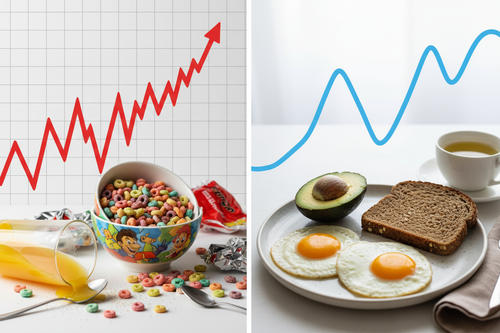
Test it with your glucose monitor: measure before, then again 1 hour and 30 minutes later. An increase of less than 0.4 g/L (40 mg/dL) is the goal. Keep a journal to identify your “friendly” fruits, and talk to your doctor if you are taking medication, especially insulin.
Want to learn more about managing your diabetes?
Discover our “Guide to Natural Remission” e-book: a comprehensive program that guides you step by step to stabilize your blood sugar, adapt your diet, and regain your energy.
Complete Summary Table
Citrus Fruits
| Fruit | GI | GL | Verdict | Key Benefit |
|---|---|---|---|---|
| Lemon | 20 | 1 | Excellent | Slows glucose absorption |
| Grapefruit | 25 | 3 | Excellent | Slows absorption |
| Clementine | 30 | 4 | Good | Protective flavonoids |
| Orange | 43 | 5 | Good | Vascular protection |
| Mandarin | 30 | 4 | Good | Insulin sensitivity |
Berries and Red Fruits
| Fruit | GI | GL | Verdict | Key Benefit |
|---|---|---|---|---|
| Strawberries | 40 | 1 | Excellent | Rich in anthocyanins |
| Raspberries | 32 | 2 | Excellent | Optimal fiber-to-sugar ratio |
| Blackberries | 25 | 2 | Excellent | Rich in antioxidants |
| Redcurrants | 25 | 2 | Excellent | Very low GL |
| Blackcurrants | 22 | 2 | Excellent | Microcirculation protection |
| Blueberries | 53 | 4 | Excellent | +22% insulin sensitivity |
Stone Fruits
| Fruit | GI | GL | Verdict | Key Benefit |
|---|---|---|---|---|
| Fresh apricot | 34 | 3 | Good | Vision protection |
| Peach | 42 | 5 | Good | Combats oxidative stress |
| Nectarine | 43 | 4 | Good | Protective polyphenols |
| Plum | 39 | 5 | Good | Anti-inflammatory |
| Cherry | 22 | 4 | Good | Anthocyanins + low GI |
Exotic Fruits
| Fruit | GI | GL | Verdict | Key Benefit |
|---|---|---|---|---|
| Passion fruit | 30 | 3 | Good | Excellent fiber-to-sugar ratio |
| Papaya | 56 | 5 | Good | Fiber and papain |
| Prickly pear | 35 | 4 | Good | Blood sugar regulation |
| Kumquat | 35 | 3 | Good | Fiber in the peel |
| Mango | 56 | 8 | With caution | Occasionally, small portion |
Water-Rich Fruits
| Fruit | GI | GL | Verdict | Key Benefit |
|---|---|---|---|---|
| Watermelon | 72 | 4 | With moderation | L-citrulline, circulation |
| Melon | 65 | 4 | With moderation | Hydrating, low GL |
Everyday Classics
| Fruit | GI | GL | Verdict | Key Benefit |
|---|---|---|---|---|
| Apple | 38 | 5 | Good | Pectin, slower absorption |
| Pear | 38 | 4 | Good | Soluble fiber |
| Kiwi | 50 | 5 | Good | Rich in vitamin C |
| Quince | 35 | 4 | Good | Very rich in pectin |
| Pineapple | 59 | 6 | With moderation | Bromelain, moderation |
Fruits to Limit or Avoid
| Fruit | GI | GL | Verdict | Why |
|---|---|---|---|---|
| Ripe banana | 62 | 12 | With caution | Small portion only |
| Grape | 59 | 11 | With caution | Concentrated sugar |
| Lychee | 60 | 12 | With caution | High GL |
| Date | 70 | 18 | No | Very high GL |
| Raisins | 64 | 28 | No | Ultra-concentrated sugar |
| Candied fruit | 75+ | 30+ | No | Added sugar |
Don't Let Diabetes Steal Your Flavors
Well-chosen fruits are allies, not enemies. They protect your blood vessels, nourish your microbiome, and satisfy your need for sweetness without harming your pancreas.
Key Takeaways:
- Prioritize berries, citrus fruits, apples, and stone fruits
- Explore exotic fruits (papaya, passion fruit)
- Use the chia trick before eating fruit
- Always pair with fats or proteins
- Eat whole, never as juice
- Test and personalize
Diabetes does not mean giving up pleasure. Well-chosen and properly paired, these fruits have a place in your diet.
Want Personalized Support?
Every metabolism is unique. A personalized approach can make all the difference in your journey toward glycemic balance.
Book Your Naturopathy Consultation to benefit from support tailored to your situation: a complete assessment, a custom-made dietary plan, and personalized follow-up.
Because eating well with diabetes is possible, and it's even delicious.
Would you like daily support? For €10 a month, Le Terrier's personalized follow-up allows you to ask us questions in writing and progress at your own pace.
Frequently Asked Questions: Diabetes and Fruit Consumption
1. Can people with diabetes eat all types of fruit?
Almost all fruits can be eaten, but portion size and glycemic index (GI) are key. Berries, citrus fruits, and apples are ideal, while very ripe or tropical fruits (mango, banana) should be consumed more moderately.
2. Why should people with diabetes choose berries (strawberries, raspberries)?
Berries have an excellent fiber-to-sugar ratio and are rich in anthocyanins. These antioxidants help improve insulin sensitivity and protect small blood vessels from glucose-related complications.
3. Is watermelon allowed despite its high glycemic index?
Yes, because although its GI is high, its "Glycemic Load" (the actual amount of sugar per serving) is low, as it is 90% water. A thin slice at the end of a meal is perfectly acceptable.
4. What is the best time for people with diabetes to eat fruit?
It is strongly recommended to eat fruit at the end of a meal. The fiber, protein, and fat from the meal slow down the absorption of fructose, thus preventing a sudden blood sugar spike.
5. Why is fruit juice discouraged compared to whole fruit?
Fruit juice lacks fiber. Without this fiber, sugar instantly enters the bloodstream. Whole fruit requires chewing and contains fiber that moderates the glycemic response.
6. Does lemon really help lower blood sugar?
The citric acid in lemon slows down gastric emptying. Consuming lemon with your dishes or fruit helps smooth out the glycemic curve and improve carbohydrate digestion.
7. How many servings of fruit can you eat per day?
Generally, 1 to 2 servings per day are recommended. One serving is approximately the size of your closed fist (a small apple, a cup of raspberries, etc.).
8. Why is it said that apples help prevent diabetes complications?
Apples contain pectin, a soluble fiber that forms a gel in the intestine and limits sugar absorption. Observational studies associate regular consumption of whole fruits such as apples with a lower risk of type 2 diabetes.
9. Can type 2 diabetes really be put into remission through lifestyle changes?
Yes, many studies show that through targeted nutrition and an appropriate lifestyle, it is possible to stabilize blood sugar levels long-term. For a complete protocol, you can consult our Complete Guide to the Natural Remission of Type 2 Diabetes.
10. How to manage blood sugar daily while still enjoying food?
Balance is key: learn to pair your foods (such as chia pudding before fruit) and move after meals. To learn more about these strategies, discover our diabetes remission guide, which details every step to regain metabolic health.