Diabetes: 3 morning mistakes that cause blood sugar to rise
Share
The first meal of the day determines blood sugar balance for the hours that follow. Yet many people with diabetes make breakfast mistakes without realizing it, which can make blood sugar harder to control through the morning. These seemingly minor mistakes create a vicious cycle of high blood sugar, cravings, and chronic fatigue.
The trap of industrial cereals
Commercial cereals, even those labeled "diabetes-friendly" or "whole grain," are the first silent saboteurs. Research in the American Journal of Clinical Nutrition compared the glycemic impact of different cereal breakfasts. The results are clear: industrial cereals cause a blood sugar spike noticeably higher than that of traditional whole oats.
This difference is due to the degree of processing. Industrial cereals undergo puffing, extrusion, or flaking processes that destroy protective fibers and increase the glycemic index. Added sugar, even in moderate amounts, exacerbates this phenomenon. The result: a sharp rise in blood sugar within 30 minutes after the meal, followed by a hypoglycemic drop that triggers cravings and irritability in the middle of the morning.
Whole oats, consumed as slowly cooked thick flakes, preserve their soluble fibers (beta-glucans), which slow down glucose absorption and maintain stable blood sugar for several hours. According to several intervention studies, this simple substitution can reduce glycated hemoglobin by 0.5 to 0.8 points.
Fruit juice: a liquid glycemic bomb
Morning orange juice, a ritual deeply rooted in our habits, represents the second major mistake. A 250 ml (8.5 fl oz) glass contains about 20 to 22 g of sugars, the equivalent of 4 to 5 sugar cubes, devoid of the protective fibers found in the whole fruit. Without these fibers, fructose and glucose pass directly into the bloodstream, creating a carbohydrate injection.
A large analysis published in 2013 in the British Medical Journal, covering nearly 190,000 participants followed for about twenty years, found that each additional three glasses of fruit juice per week was linked to an approximately 8% higher risk of developing type 2 diabetes. In people who already have diabetes, the impact on postprandial blood sugar is immediate and measurable.
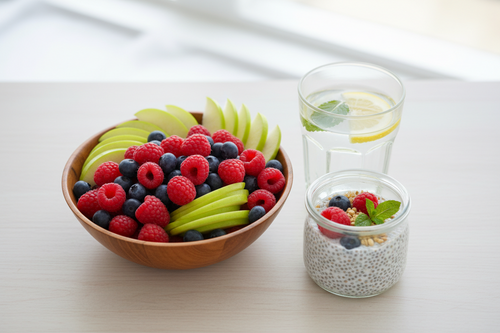
Whole fruit, on the other hand, offers a completely different metabolic profile. Fiber slows down gastric emptying and sugar absorption. A whole orange causes a blood sugar rise half that of its juice, while providing lasting satiety. Lemon water, meanwhile, provides vitamin C and antioxidants with no glycemic impact.
Eating speed: an underestimated factor
Eating breakfast in less than fifteen minutes constitutes the third critical mistake. The brain needs about twenty minutes to receive and integrate the satiety signals sent by the intestine. When we eat too quickly, we consume excessive amounts before the feeling of fullness even occurs.
Japanese research published in the Journal of Epidemiology followed nearly 9,000 people for three years. Fast eaters had about a 30% higher risk of developing metabolic syndrome, a precursor to diabetes. In people with diagnosed diabetes, eating quickly causes a sudden glycemic overload that the pancreas struggles to manage, even with treatment.
Taking the time to chew, putting down cutlery between each bite, and being present during the meal transforms the glycemic response. This prolonged chewing also stimulates the production of saliva rich in enzymes that predigest carbohydrates, facilitating their gradual assimilation.
The winning morning formula
The perfect equation for a diabetes-friendly breakfast rests on three pillars: quality protein, healthy fats, and abundant fiber. Two organic eggs provide complete proteins that stabilize blood sugar and prolong satiety. Half an avocado provides monounsaturated fatty acids that slow down carbohydrate absorption while nourishing the brain. A slice of whole-grain sourdough bread offers fiber and slow-release carbohydrates.
This combination generates a gentle and prolonged glycemic curve, avoiding metabolic rollercoasters. Intervention studies show that this type of breakfast maintains stable blood sugar for four to five hours, compared to only two hours for a classic carbohydrate-heavy meal.
If you take insulin or sulfonylureas (or glinides), talk to your doctor before changing your breakfast: cutting back on morning carbohydrates can cause low blood sugar (hypoglycemia) if your treatment is not adjusted. Check your blood sugar more often during the first few days, too.
Take back control in the morning
Transforming your first meal is not just a matter of immediate blood sugar balance. It is an effective metabolic signal that influences appetite, energy, and insulin sensitivity for the entire day. Every morning offers the opportunity to make a choice that supports or sabotages your health.
For those who wish to deepen these nutritional strategies with suitable products (specific fibers, plant proteins, blood sugar-regulating supplements), our shop offers an e-book with a complete protocol. And if you desire personalized support to build your diabetes-friendly meal plan, remote consultations are available on our website, allowing you to obtain tailored nutritional advice adapted to your specific situation. We also offer complete daily follow-up for 3 or 6 months, so do not hesitate.
Want daily support? Le Terrier's personalized follow-up, at €10 per month, allows you to ask us questions in writing and progress at your own pace.