Painful periods: natural solutions backed by science
Share
When Period Pain Becomes a Disability
Painful periods, or dysmenorrhea, affect a large proportion of women of childbearing age, sometimes turning every cycle into an ordeal. Young women are particularly affected, according to a study by the British Medical Journal. For some, the pain is so severe that they are forced to stop their activities, resulting in a significant cost in lost school or work days.
Modern medicine finally recognizes that this pain is not "normal" or an inevitable female fate to be endured in silence. Research reveals complex inflammatory mechanisms and treatable hormonal imbalances, transforming the therapeutic approach to this condition, which has long been neglected by the medical community.
The Mechanisms of Pain: More Than Just a Cramp
Painful periods are primarily caused by an overproduction of prostaglandins, potent inflammatory mediators secreted by the endometrium during its shedding. Women who suffer from dysmenorrhea produce more prostaglandin F2α, which causes very strong uterine contractions, according to the MSD Manual.
These excessive contractions create temporary uterine ischemia, depriving the tissues of oxygen and generating intense visceral pain. Functional imaging research shows similar brain activation between severe menstrual pain and other chronic pain conditions, scientifically validating the intensity of the suffering experienced.
Systemic inflammation often accompanies dysmenorrhea, with an elevation of inflammatory markers (CRP, IL-6) during menstruation. This inflammation extends beyond the uterus, explaining the associated symptoms: intense fatigue, digestive issues, headaches, and lower back pain that turn the menstrual period into a true generalized inflammatory syndrome.
The Impact of Hormonal Imbalances
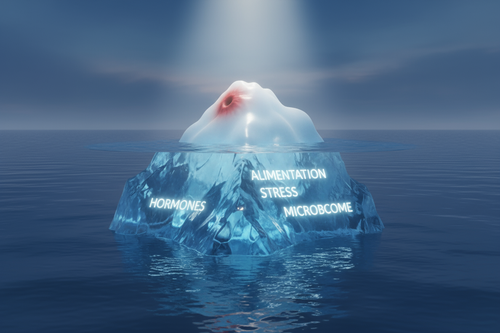
The estrogen/progesterone ratio plays an essential role in the intensity of painful periods. Estrogen dominance, common in our modern societies, excessively thickens the endometrium, mechanically increasing prostaglandin production during its drop. An imbalance in this ratio is associated with stronger pain.
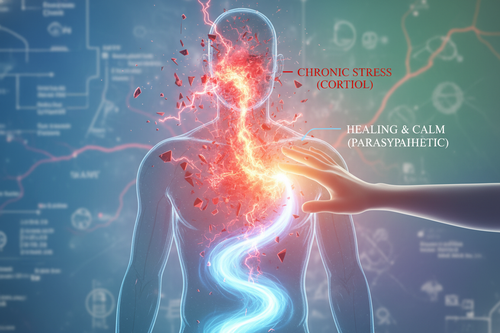
Chronic stress significantly worsens menstrual pain through several mechanisms. Elevated cortisol disrupts progesterone production, amplifying estrogen dominance. Furthermore, stress increases pain perception and decreases the production of natural endorphins. Perceived stress also appears to be linked to the intensity of menstrual pain.
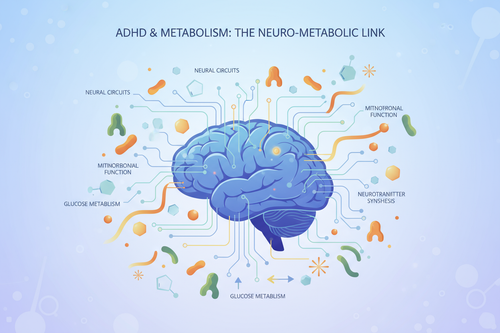
Insulin resistance could play a role in the intensity of the pain. Hyperinsulinemia stimulates the production of ovarian androgens and disrupts ovulation, creating particularly painful anovulatory cycles. Women with metabolic syndrome often describe more intense pain.
Nutritional Solutions: The Anti-Inflammatory Diet
The nutritional approach to painful periods shows remarkable results in clinical studies. Omega-3s, particularly EPA and DHA, directly modulate prostaglandin production, promoting anti-inflammatory forms (PGE1) at the expense of pro-inflammatory ones (PGF2α). Several trials show that omega-3 supplementation for a few months reduces pain and the use of painkillers.
Magnesium acts as a natural muscle relaxant and enzymatic cofactor in the synthesis of beneficial prostaglandins. Magnesium is also being studied: insufficient intake could worsen cramps. Supplementation with magnesium glycinate starting at ovulation, at 150 to 250 mg per day for adults unless advised otherwise by a doctor, significantly reduces cramps and improves premenstrual mood. Magnesium supplements are not recommended for people with kidney failure without medical advice.
Eliminating pro-inflammatory foods amplifies the benefits. Refined sugar and trans fats increase the production of inflammatory cytokines and worsen estrogen dominance. A Mediterranean-style diet, rich in plants and good fats, seems to help reduce pain over time.
Phytotherapy: The Herbs That Provide Relief
Ginger is emerging as one of the most effective natural solutions for painful periods. Its active compounds, notably gingerols and shogaols, inhibit prostaglandin synthesis and possess direct analgesic properties. Four randomized controlled trials show that 1g of ginger powder per day during the first 3 days of menstruation equals the effectiveness of 400mg of ibuprofen.
Yarrow, traditionally used, is finding modern scientific validation. Its flavonoids and sesquiterpenes exert an antispasmodic action on the uterus while regulating menstrual flow. A few studies, especially Iranian ones, suggest that yarrow tea, started a few days before menstruation, can provide relief.
Garden sage is traditionally said to help regulate hormonal fluctuations thanks to its phytoestrogens. It may act beyond simple relief, on the estrogen/progesterone balance. Sage is traditionally used to support cycles, but studies remain rare. As a precaution, it is not recommended during pregnancy, breastfeeding, or for people with epilepsy, and it should not be used for long periods at high doses.
Want an opinion on your situation? During a vitality assessment, we review your diet, sleep, stress, and goals together, then build a plan tailored to your pace.
Mind-Body Approaches: The Overlooked Dimension
Therapeutic yoga shows surprising effectiveness in managing painful periods. Specific postures (balasana, supta baddha konasana) improve pelvic circulation and reduce uterine spasms. Regular yoga practice reduces pain in many women, according to several small studies.
Acupuncture and acupressure offer lasting results by regulating the meridians involved in dysmenorrhea. Point SP6 (Sanyinjiao), located 4 fingers above the inner ankle, effectively relieves cramps when stimulated. Acupuncture also shows encouraging results, even if the studies are of variable quality.
Thermotherapy, simple but effective, works through local vasodilation and muscle relaxation. Applying heat at 40-45°C (104-113°F) to the lower abdomen shows comparable effectiveness to NSAIDs in comparative studies. Combining heat with an abdominal massage enhances relief.
Always check the temperature against your skin to avoid burns, and do not fall asleep with a hot water bottle or heating pad on your belly.
The Mistakes That Worsen Pain
Paradoxically, some behaviors adopted to relieve painful periods can make them worse. Prolonged fetal position, a natural reflex to pain, compresses the abdomen and reduces pelvic circulation, intensifying cramps. Postural studies instead recommend gentle opening positions that promote uterine relaxation.
Overconsumption of painkillers creates a little-known vicious cycle. Repeated use of NSAIDs disrupts the intestinal lining, increasing permeability and systemic inflammation, which worsens future pain. Taking anti-inflammatories very often is not harmless: talk to your doctor if you need them for more than a few days a month.
Coffee, often consumed to combat menstrual fatigue, can significantly amplify cramps. Caffeine increases uterine contractions and anxiety, setting the stage for intense pain. Reducing coffee during menstruation relieves some heavy consumers.
When to See a Doctor: The Warning Signs
Although painful periods affect the majority of women, certain signs require a thorough evaluation. The sudden appearance of intense pain after years of normal periods can signal endometriosis or fibroids. Studies show that on average 7 years pass between the first symptoms of endometriosis and diagnosis, a delay with sometimes irreversible consequences on fertility.
Pain resistant to usual treatments or progressively worsening deserves investigation. Secondary dysmenorrhea, linked to a disease like endometriosis, requires specific management: very painful periods should always be reported to a doctor. Pelvic ultrasound and inflammatory markers allow for the identification of organic causes requiring targeted treatment.
The impact on quality of life is a major criterion. When menstrual pain leads to recurring absenteeism, disrupts relationships, or generates anticipatory anxiety, a comprehensive therapeutic approach is necessary. Psychosocial studies show that women often downplay their suffering, delaying management that could transform their daily lives.
The Integrative Approach: Combining for Better Relief
The optimal management of painful periods judiciously combines several approaches for synergistic results. Combining diet, herbs, and relaxation often yields better results than a single lever. This holistic approach works on both the underlying terrain and the symptoms.
The timing of interventions maximizes their effectiveness. Starting magnesium and omega-3 supplements at ovulation, intensifying herbal infusions 3 days before menstruation, and applying thermotherapy at the first cramps creates an optimal preventive and curative protocol. Many women notice a clear improvement in their comfort by following this schedule.
Personalization remains essential because each woman responds differently to the various approaches. Keeping a menstrual journal detailing symptoms, interventions, and their effects allows for the identification of the most effective strategies individually. This guided empirical approach gradually transforms painful periods into manageable periods.
Toward Pain-Free Periods
Painful periods are neither an inevitability nor an unavoidable part of femininity. Modern science offers a deep understanding of the mechanisms at play and validates many natural approaches long relegated to the status of "grandmother's remedies." From anti-inflammatory nutrition to medicinal plants, and mind-body techniques, the range of solutions allows each woman to find her solution.
The message is clear: suffering in silence is no longer acceptable. Solutions exist, effective and respectful of the female body. It often takes just a few well-chosen adjustments to transform the menstrual experience. Every woman deserves periods without disabling pain, and this goal is now accessible with the right strategies.
To discover our selection of natural supplements specially formulated to relieve painful periods, herbal complexes, highly absorbable magnesium, and pharmaceutical-grade omega-3s, visit our online store. If you would like a personalized protocol tailored to your unique situation, book a remote consultation on our site. Our individualized approach will help you regain peaceful and pain-free cycles.
Want daily support? Le Terrier's personalized follow-up, at €10 per month, allows you to ask us questions in writing and move at your own pace.