Acne: causes and treatments according to the latest research
Share
The skin epidemic that marks generations
Acne affects the vast majority of adolescents and often persists into adulthood, particularly in women. Acne can take a heavy toll on mental health: it is associated with a higher risk of anxiety and depression, a serious concern.
Modern research is revolutionizing our understanding of this complex condition. Far from being a simple skin disease linked to hygiene, acne is now viewed as a multifactorial inflammatory condition involving genetics, hormones, the microbiome, and lifestyle. This new perspective is transforming therapeutic approaches and offering hope to millions of people scarred physically and psychologically.
The microbiome revolution: Cutibacterium acnes rehabilitated
The paradigm that Cutibacterium acnes (formerly Propionibacterium acnes) is the main culprit behind acne is collapsing in the face of recent microbiological discoveries. This bacterium is present on almost everyone's skin, whether or not they have acne. The difference lies in the strains: IA1 phylotypes are overrepresented in severe acne, while RT4 and RT5 strains exert a protective effect.
This discovery is transforming the traditional antibiotic approach. Rather than blindly eradicating C. acnes, the goal is now to restore the balance of the skin microbiome. The diversity of the skin microbiota appears to be reduced in people with acne. Probiotic skincare products are being studied to reduce inflammatory lesions, with encouraging early results.
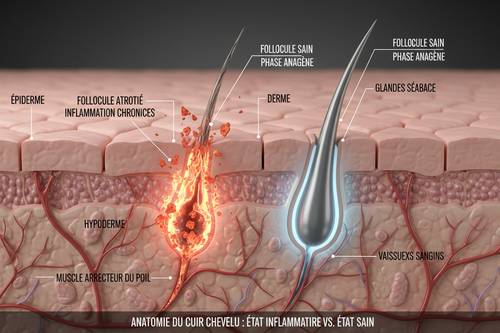
The biofilm formed by C. acnes in the pilosebaceous follicles explains resistance to conventional treatments. This biofilm protects the bacteria and makes them more resistant to antibiotics. New therapeutic approaches specifically target biofilm disruption rather than bacterial elimination.
Hormones and inflammation: the double helix of acne
Acne results from a complex inflammatory cascade initiated long before visible lesions appear. Immunological research reveals that inflammation precedes bacterial colonization, reversing the traditionally accepted pathogenic sequence. Inflammation often precedes the appearance of comedones.
Androgens remain central to pathogenesis, but their action is proving to be more nuanced than previously thought. Acne-prone skin converts more testosterone into DHT, a hormone that is more active on the sebaceous glands. This local enzymatic hyperactivity explains why normal blood androgen levels can coexist with severe acne.
The role of IGF-1 (Insulin-like Growth Factor-1) is emerging as an underestimated key factor. Studies show a direct correlation between IGF-1 levels and acne severity, explaining the link with the modern diet. Dairy products, especially skim milk, are associated with a higher risk of acne in some people.
Want an opinion on your situation? During a vitality assessment, we will review your diet, sleep, stress, and goals together, then build a plan tailored to your pace.
Diet: the major modifiable factor
The link between diet and acne, long denied by conventional dermatology, is now finding robust scientific validation. Populations following traditional diets low in refined sugars show an almost zero prevalence of acne, such as the inhabitants of Kitava in Papua New Guinea studied in a group of 1,200 individuals without a single case of acne.
The glycemic index strongly influences acne through multiple mechanisms. High-GI foods increase insulin and IGF-1, stimulate sebum production, and promote follicular inflammation. According to several trials, a low glycemic load diet reduces acne lesions.
Omega-3 fatty acids exert an effective anti-inflammatory effect on acne. Omega-3s may also reduce inflammatory lesions. The omega-6/omega-3 ratio, unbalanced in the Western diet (20:1 instead of 4:1), directly correlates with acne severity.
Stress and acne: the psycho-dermatological connection
Psychological stress worsens acne through complex neuroendocrine mechanisms that are now elucidated. CRH (corticotropin-releasing hormone) is produced locally in the sebaceous glands in response to stress, increasing sebum production and inflammation. Exam stress often worsens acne in students.
Chronic stress also weakens the skin barrier. Stress management techniques, such as meditation, can therefore help.
Sleep profoundly influences acne through hormonal and inflammatory regulation. Sleep deprivation is also associated with more breakouts. Sleep deprivation raises IL-1β and TNF-α, key cytokines in acne inflammation, creating a stress-insomnia-acne vicious cycle.
Modern treatments: toward a personalized approach
Topical retinoids remain the cornerstone of acne treatment, but their use is becoming more refined. Adapalene is as effective as tretinoin and generally better tolerated. New microencapsulated formulations gradually release the active ingredient, maintaining efficacy while reducing side effects.
Azelaic acid is experiencing a renaissance thanks to its multiple mechanisms of action: antimicrobial, anti-inflammatory, and keratinization regulator. Its efficacy is close to that of benzoyl peroxide on inflammatory acne, with the added benefit of reducing the dark spots left by pimples, making it useful for darker skin tones.
LED therapies are transforming non-invasive treatment. Blue light (415nm) inactivates the porphyrin produced by C. acnes and reduces the amount of bacteria. Red light (660nm) penetrates deeper, modulating inflammation and accelerating healing. The combination of blue and red light reduces inflammatory lesions in just a few weeks.
A holistic view for clear skin
Acne is no longer considered a simple skin disease but rather a cutaneous reflection of systemic imbalances. This holistic understanding guides integrated therapeutic approaches targeting inflammation, the microbiome, hormones, and lifestyle simultaneously. Combining several approaches generally yields better results than a single treatment.
The message of hope is clear: acne can be overcome with the right strategies. The combination of targeted topical interventions, scientifically validated dietary changes, and stress management offers lasting results without the side effects of aggressive treatments of the past.
The future of acne treatment is moving toward personalized medicine based on each patient's microbial, hormonal, and genetic profile. Emerging therapies, including postbiotics, microbiome modulators, and epigenetic approaches, promise even more effective solutions that are gentler on the skin ecosystem.
For the millions of people affected, the message is essential: acne is neither a punishment nor an inevitability, but a treatable condition with patience and the right approaches. The social stigma surrounding this condition must give way to a compassionate and scientific understanding. Clear and healthy skin is accessible to everyone; all that is needed is to abandon the myths of the past and embrace modern solutions validated by research.
Want daily support? Le Terrier's personalized follow-up, at €10 per month, allows you to ask us questions in writing and progress at your own pace.