Telomeres and telomerase: what we know about cellular aging
Share
What if cellular youth depended in part on an enzyme little known to the general public? Telomerases have fascinated the scientific community since their discovery, which was awarded a Nobel Prize in 2009. These fascinating enzymes help maintain telomeres, which makes them an exciting area of research for understanding cellular aging.
The guardians of your DNA
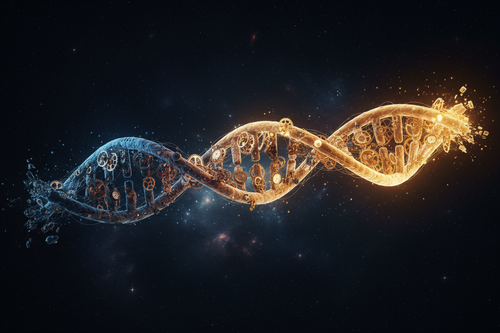
Telomerases are enzymes that protect the ends of our chromosomes, called telomeres. Imagine these structures as shoelace aglets that prevent the threads from fraying. With each cell division, telomeres naturally shorten. When they become too short, the cell enters senescence and stops dividing, marking the beginning of tissue aging.
This is where telomerases come in. They rebuild these protective caps, allowing cells to maintain their regenerative capacity. A study published in Nature showed that telomerase activity is directly correlated with cellular longevity. The higher this activity, the better cells resist the passage of time.
The four modern thieves of your telomerases
Our contemporary lifestyles pose a direct threat to telomerase activity. Chronic stress stands out as the leading destroyer. When cortisol remains elevated for prolonged periods, it directly inhibits the production of telomerases. UCSF research reveals that people subjected to prolonged stress have telomeres equivalent to ten additional years of aging.
Low-grade chronic inflammation, this silent fire that consumes the body, gradually destroys these precious enzymes. Ultra-processed food, lack of sleep, and a sedentary lifestyle create a hostile cellular environment where telomerases struggle to function. Dr. Dean Ornish's work has established a clear link between systemic inflammation and accelerated telomere shortening.
Age-related hormonal imbalances also reduce telomerase activity. The decline in growth hormones and sex hormones compromises their optimal functioning. Endocrine studies show that hormonal balance directly influences telomeric regeneration capacity.
Finally, oxidative stress caused by free radicals damages not only DNA but also the telomerases themselves. Air pollution, smoking, excessive alcohol consumption, and intense UV exposure create an oxidative overload that accelerates the decline of these protective enzymes.
Five science-backed natural strategies
Meditation is one of the most studied approaches for supporting telomerase activity. In one small study, telomerase activity was about 30% higher in people who completed a three-month intensive meditation retreat than in a control group. By reducing cortisol and soothing the nervous system, meditation creates the optimal biochemical conditions for these enzymes.
Moderate and regular physical exercise keeps telomeres young. Forty-five minutes of moderate activity five times a week stimulates the growth factors that activate telomerases, according to a publication in PLOS ONE. However, beware: excessive intense exercise can generate counterproductive oxidative stress. Balance remains key.
Diet plays a fundamental role in telomere protection. Effective antioxidants such as turmeric, mate, or blueberries neutralize free radicals. Adequate intake of omega-3s and folate is associated, in some studies, with better-preserved telomeres. The Mediterranean diet, rich in plant-based foods and healthy fats, is associated with significantly longer telomeres in several studied cohorts.
Restorative sleep constitutes the preferred period for cellular regeneration. Getting enough quality sleep is associated, in several studies, with longer telomeres. Seven to eight hours of quality sleep improves this essential nighttime maintenance.
Finally, enriching social connections stimulate telomerases in a surprising way. Longitudinal studies reveal that people who enjoy strong social bonds and positive relationships have longer telomeres than isolated individuals. Social isolation has also been linked, in some studies, to shorter telomeres.
Aging becomes an informed choice
The telomere revolution is transforming our understanding of aging. Far from being an inevitable fate, cellular decline responds to our daily choices. Every decision regarding your stress, diet, sleep, or relationships influences the expression of your longevity potential.
For those who wish to deepen this preventive approach with targeted natural supplements (antioxidants, omega-3s, adaptogens), our shop offers a rigorous selection of optimal-quality products. And if you desire personalized guidance to develop your natural anti-aging strategy, remote consultations are available on our website, allowing you to receive advice tailored to your unique profile from the comfort of your home.
Want daily support? Le Terrier's personalized follow-up, at €10 per month, allows you to ask us questions in writing and move at your own pace.