Anti-inflammatory diet: the practical guide to soothing inflammation every day
Share
Inflammation has a bad reputation, and yet it saves our lives every day. When you cut yourself or catch a virus, it is what mobilizes your defenses and repairs tissues. The problem begins when it no longer really goes away: we are then talking about low-grade chronic inflammation, silent, associated with many chronic diseases.
Diet is one of the most powerful levers to calm it. Not with a miracle food, but with an overall way of eating. Here is the practical guide, backed by research and designed for real life, without prohibitions or guilt.
Acute or chronic inflammation: what are we talking about?
Acute inflammation is a brief and useful reaction: redness, heat, swelling, then calm. Low-grade chronic inflammation is different: it makes no noise, but certain blood markers like CRP remain slightly elevated over time. It is associated with type 2 diabetes, cardiovascular diseases, certain joint diseases, and aging.
Its causes are multiple: excess abdominal fat, sedentary lifestyle, tobacco, lack of sleep, chronic stress, pollution... and diet. This is good news: it is one of the factors we have the most control over.
To remember: an anti-inflammatory diet does not treat an inflammatory disease such as rheumatoid arthritis or Crohn's disease. It can, however, accompany treatment and improve comfort, in connection with your doctor.
What science says
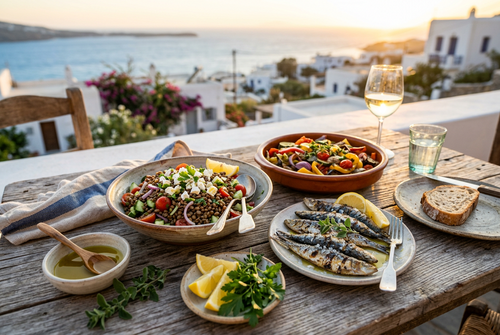
The best-studied model is the Mediterranean diet: lots of plant-based foods, legumes, whole grains, olive oil, nuts, fish, little red meat and sugary products. In the large Spanish PREDIMED trial (Estruch et al., New England Journal of Medicine, 2018), this dietary pattern enriched with extra virgin olive oil or walnuts reduced major cardiovascular events by about 30% compared to a low-fat diet.
Conversely, observational studies regularly associate a high consumption of ultra-processed foods with a higher risk of chronic diseases, notably in the French NutriNet-Santé cohort. The message is therefore less "this food is anti-inflammatory" than "this set of habits is."
Foods to favor
| Family | Examples | Why |
|---|---|---|
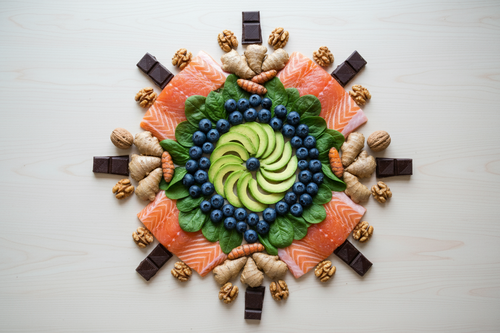
| Vegetables and fruits | Green vegetables, cruciferous vegetables, berries, citrus fruits, apples | Fiber, vitamins and polyphenols |
| Legumes | Lentils, chickpeas, beans | Fiber that feeds the microbiota, plant proteins |
| Whole grains | Oats, buckwheat, brown rice, sourdough bread | Fiber and minerals |
| Good oils | Extra virgin olive oil, canola oil | Monounsaturated fatty acids and plant omega-3s |
| Nuts and seeds | Walnuts, almonds, flaxseed, chia seeds | Healthy fats, fiber, magnesium |
| Oily fish | Sardines, mackerel, herring, salmon | Omega-3 EPA and DHA |
| Herbs and spices | Turmeric, ginger, garlic, fresh herbs | Antioxidant compounds, and flavor without salt |
| Fermented foods | Yogurt, kefir, raw sauerkraut | Microbiota support |
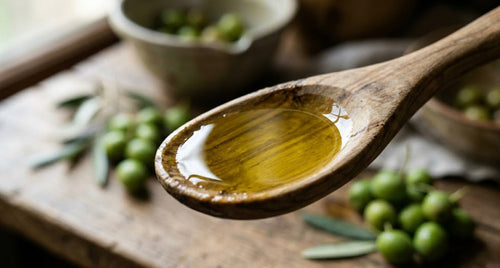
Extra virgin olive oil deserves a special mention: it contains oleocanthal, a compound studied for its anti-inflammatory action, which we detail in our article on olive oil and its polyphenols. For fish, ANSES recommends two portions per week, one of which should be oily fish.
The case of turmeric: it is the most studied anti-inflammatory spice. In cooking, combine it with black pepper and a fat, which improve its absorption. As a supplement, it is not trivial: caution in case of gallstones, anticoagulant treatment, or pregnancy.
Want an opinion on your situation? During a vitality assessment, we review your diet, sleep, stress, and goals together, then build a plan adapted to your pace.
Foods to limit (without demonizing them)
It is not about banning everything, but reducing the place of certain foods in daily life:
- Ultra-processed products: cookies, prepared meals, sodas, snacks. A tip: the longer and more incomprehensible the list of ingredients, the more we keep them for special occasions. Our article on additives to avoid helps you decipher labels.
- Sugary drinks and added sugars, which promote blood sugar spikes. To soften them, our guide for stabilizing blood sugar naturally gives concrete ideas.
- Charcuterie, classified as carcinogenic by the International Agency for Research on Cancer, and red meat beyond 500 g per week, as recommended by health authorities.
- Alcohol: there is no risk-free dose, and reducing it is beneficial at all levels.
- Trans fats from partially hydrogenated oils, which have become rare but are still present in certain industrial products.
And oils rich in omega-6, like sunflower oil? They are not toxic, but in France we especially lack omega-3s. The idea is to rebalance, which we explain in our article on the omega-3 / omega-6 ratio.
How to compose your plate every day
A simple guideline: half the plate in vegetables, a quarter in whole grains or legumes, a quarter in protein (fish, eggs, legumes, poultry), and a drizzle of olive or canola oil.
BreakfastOatmeal, yogurt or kefir, berries, a spoonful of ground flaxseed and a few walnuts.
LunchLentil salad, crunchy vegetables, fresh herbs, canola oil vinaigrette, and a piece of fruit.
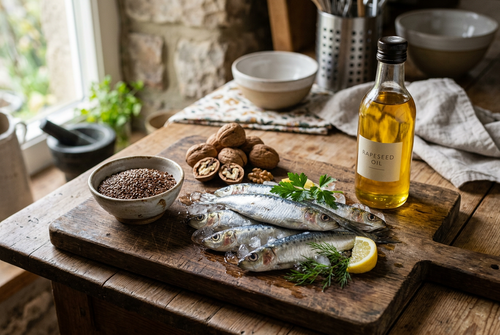
DinnerSardines or mackerel in the oven, vegetables roasted with turmeric and thyme, brown rice or buckwheat.
Are you short on ideas to cook this way without spending hours on it? Le Terrier's personalized follow-up at ten euros per month offers you simple meals, adapted to your tastes and your budget.
The other pillars, outside the plate
Diet is not everything. Sleep, regular physical activity, quitting smoking, and stress management also act on inflammation. A daily walk and sufficient nights of sleep are sometimes worth as much as the best food.
Eating anti-inflammatory without breaking the bank
There is nothing elitist about this way of eating. Dried legumes, oatmeal, seasonal vegetables, plain frozen foods, and canned sardines are among the cheapest and most interesting foods. Frozen berries keep their polyphenols. Large bottles of canola oil are economical. And cooking simply, in large quantities, allows you to plan several meals.
There is also no need to chase imported superfoods: as we explain about avocado, local alternatives are often just as interesting.
Frequently asked questions
What is an anti-inflammatory diet?
It is a way of eating rich in plant-based foods, fiber, good oils, and omega-3s, and low in ultra-processed products, added sugars, and charcuterie. It is largely inspired by the Mediterranean diet, the best-studied model.
What are the most anti-inflammatory foods?
No food acts alone, but some are particularly interesting: green and cruciferous vegetables, berries, legumes, extra virgin olive oil, walnuts, flaxseed, oily fish, turmeric, and ginger. It is their daily combination that counts.
How long does it take to see the effects?
Certain inflammation markers can change in a few weeks of dietary changes. The felt well-being (digestion, energy) often comes faster, but the health benefits are built over the long term.
Is coffee inflammatory?
No, for most people, moderate coffee consumption (3 to 4 cups per day) is even associated with a lower risk of several chronic diseases. Reduce it if you sleep poorly, if you are pregnant, or if it gives you palpitations.
Should you cut out gluten and dairy products?
No, not without medical reason. Gluten is to be excluded in case of celiac disease, and milk in case of allergy or bothersome intolerance. For most people, whole grains and fermented dairy products have their place in an anti-inflammatory diet.
Can diet relieve joint pain?
It can contribute to comfort, especially with omega-3s, and by helping to lose weight when necessary, which relieves weight-bearing joints. It does not replace the treatment of a joint disease, to be followed with your doctor.
What supplements for inflammation?
Omega-3s and curcumin are the most studied. They are not trivial: high-dose omega-3s and turmeric interact with anticoagulants, and turmeric is not recommended in case of gallstones. Ask for advice before supplementing, especially if you are taking a treatment.
Does sugar cause inflammation?
An excess of added sugars, especially in the form of sugary drinks, is associated with more inflammation and metabolic diseases. A dessert from time to time in an overall balanced diet is not a problem.
A lifestyle, not a diet
The anti-inflammatory diet is neither a restrictive diet nor a list of miracle foods. It is a colorful, plant-based way of eating, generous in good oils and fiber, which leaves room for pleasure. Start with one or two changes: a handful of walnuts per day, legumes twice a week, an oily fish on the weekend, canola oil for vinaigrettes. It is these small repeated gestures that, over the months, calm underlying inflammation and protect your health.
Want support to adopt these habits without complicating your life? Discover Le Terrier's personalized follow-up, or our e-books and protocols to move at your pace.
This article is informative and does not replace medical advice.
To go further
- Omega-3 and omega-6: how to rebalance your ratio, simply
- Olive oil and oleocanthal: the natural anti-inflammatory that intrigues science
- Intestinal health: the complete guide for a naturally balanced microbiota
- Food additives to avoid: the guide to decipher your labels
- Black seed oil: its anti-inflammatory effects according to science