The 10 foods that regulate blood sugar without medication
Reading time: 9 minutes
You don't need to cut out all carbohydrates, weigh every gram of rice, or live an ascetic life to protect your blood sugar. Some foods do the work for you by slowing glucose absorption, improving insulin sensitivity, or nourishing the microbiota that regulates everything else.
These 10 foods have one thing in common: their benefit for blood sugar is studied, with varying degrees of evidence that we clarify each time. Some act in a few minutes, others over the long term. All of them deserve a regular place on your plate.
These foods are part of a broader strategy for stabilizing blood sugar. To understand all the available levers - diet, physical activity, supplements, and stress management - consult our complete guide.

1. Ceylon cinnamon
Proposed mechanism: improved insulin action + slowed gastric emptying
Usual amount: ½ to 1 teaspoon per day (1 to 3 g)
Time to take effect: 4 to 8 weeks
Ceylon cinnamon (Cinnamomum verum) contains polyphenols, notably type A proanthocyanidin, which improve insulin signaling at the cellular level. In the lab, they facilitate the entry of glucose into cells. It also slows gastric emptying, which flattens the postprandial blood sugar curve.
In humans, meta-analyses find a modest decrease in fasting blood sugar in people with diabetes, but no net effect on HbA1c (Allen et al., 2013). It's a bonus, not a treatment.
Mandatory: exclusively choose Ceylon cinnamon (thin rolled sticks, layered texture, mild taste). Cassia cinnamon, the most widely sold in powder form, contains a lot of coumarin, which is toxic to the liver at high repeated doses.
How to use it: in your morning yogurt, sprinkled on oatmeal, in coffee, in compotes, or in savory dishes (tagines, curries).
2. Avocado
Mechanism: monounsaturated fats that slow carbohydrate absorption + soluble fiber
Amount: ½ avocado per meal
Time to take effect: immediate on the current meal
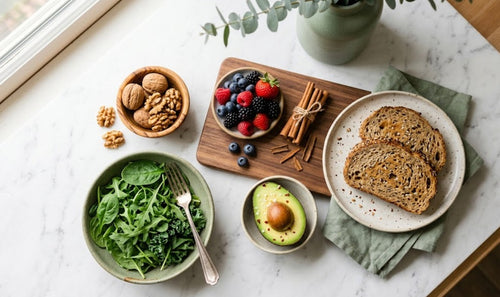
Avocado helps smooth out the blood sugar of the meal it accompanies. Its richness in monounsaturated fats (oleic acid) slows gastric emptying, glucose reaches the intestine more slowly, and the postprandial blood sugar spike is reduced. Its soluble fibers (4.5 g per 100 g) form a protective gel in the small intestine.
In small studies, adding half an avocado to a meal increased satiety in the following hours (Wien et al., Nutrition Journal, 2013).
How to use it: sliced with eggs in the morning, as guacamole, mashed on grilled rye bread, in salads, or simply with salt and lemon.
3. Lentils and legumes
Mechanism: very low GI (22-35) + fiber + plant proteins + "second meal effect"
Amount: 150 to 200 g cooked, 3 to 4 times a week
Time to take effect: a few weeks to a few months
Legumes are the foods whose glycemic effect is best documented over the long term. They have the lowest glycemic index of all starches (green lentils: GI 25, chickpeas: GI 28), are rich in soluble fiber, protein, and resistant starch.
But their most remarkable asset is the "second meal effect": eating legumes at lunch improves the blood sugar of dinner, even if dinner does not contain legumes. The mechanism involves short-chain fatty acids produced by the fermentation of fiber in the colon, which influence the insulin response of subsequent meals via the intestinal microbiota.
How to use them: in soup, salad, dal, hummus, patties. Soak 12 hours before cooking to reduce phytic acid and improve mineral absorption.

4. Apple cider vinegar
Mechanism: inhibition of digestive enzymes + improved insulin sensitivity
Amount: 1 tbsp (15 ml) in 250 ml of water, 10 min before the meal
Time to take effect: immediate from the first dose
The acetic acid contained in apple cider vinegar partially inhibits alpha-glucosidases, the enzymes that break down complex carbohydrates into glucose in the small intestine. Less glucose released at once = reduced blood sugar spike. It could also improve the muscles' use of glucose.
A study published in Diabetes Care (Johnston et al., 2004) observed improved insulin sensitivity after a high-carbohydrate meal preceded by vinegar in insulin-resistant people.
Always dilute in water, pure vinegar erodes tooth enamel. Drink with a straw. Choose an unpasteurized vinegar with the "mother" (natural sediment at the bottom).
How to use it: in water before meals, in vinaigrette (with olive oil), in marinades, or drizzled over vegetables and salads.
5. Blueberries and berries
Mechanism: anthocyanins that improve insulin sensitivity + fiber + low GI
Amount: 100 to 150 g per day
Time to take effect: 4 to 6 weeks on insulin sensitivity
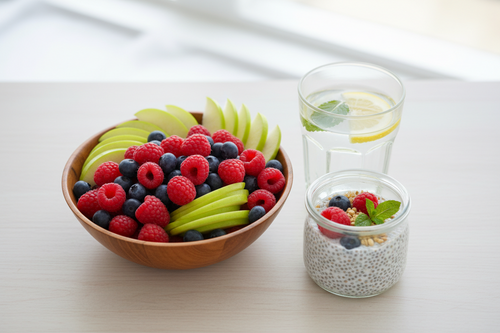
Blueberries, raspberries, strawberries, blackberries, and redcurrants are the most favorable fruits for blood sugar. Their GI is low (25-40), they are rich in fiber, and above all loaded with anthocyanins, blue-purple polyphenols that improve insulin signaling and reduce metabolic inflammation.
In an American trial (Stull et al., Journal of Nutrition, 2010), a daily blueberry smoothie improved insulin sensitivity in 6 weeks in insulin-resistant adults. Their polyphenols also nourish certain good bacteria in the microbiota.
How to use them: fresh or frozen (frozen ones retain their anthocyanins), in yogurt, smoothies, on oatmeal, or as a snack with nuts.
6. Nuts and tree nuts
Mechanism: fats + proteins + fiber that slow the absorption of carbohydrates from the meal
Amount: 30 g per day (a small handful)
Time to take effect: immediate on the meal + cumulative effect over 8 weeks
Walnuts, almonds, hazelnuts, cashews, pistachios, all tree nuts have a very low glycemic impact (GI 15-25) and improve the glycemic response of foods consumed simultaneously. Their combination of healthy fats, protein, and fiber slows gastric emptying and modulates the insulin response.
A meta-analysis (Viguiliouk et al., 2014) concludes that tree nuts modestly improve fasting blood sugar and HbA1c in people with type 2 diabetes. Walnuts are particularly interesting for their anti-inflammatory omega-3 content (alpha-linolenic acid).
How to use them: as a snack with a fruit, added to salads and porridges, as sugar-free nut or almond butter, as a crust on fish.

7. Broccoli and cruciferous vegetables
Mechanism: sulforaphane + fiber
Amount: 150 to 200 g, 3 to 4 times a week
Time to take effect: 12 weeks on fasting blood sugar
Broccoli is one of the richest vegetables in sulforaphane, a sulfur compound with remarkable properties on carbohydrate metabolism. A Swedish study published in Science Translational Medicine (Axelsson et al., 2017) showed that a concentrated broccoli sprout extract lowered fasting blood sugar in overweight type 2 diabetic patients. It was an extract, not a serving of vegetables, but broccoli remains an excellent choice.
Its fiber nourishes the butyrate-producing bacteria in the colon, which indirectly regulate blood sugar via the microbiota.
How to prepare it: steamed al dente (cooking too long destroys sulforaphane) or lightly sautéed in olive oil. Cutting the broccoli and waiting 10 minutes before cooking activates myrosinase and improves sulforaphane production.
8. Fatty fish (sardines, mackerel, salmon, anchovies)
Mechanism: carb-free protein + anti-inflammatory omega-3s
Amount: 2 servings per week, including one of fatty fish
Time to take effect: long-term effect
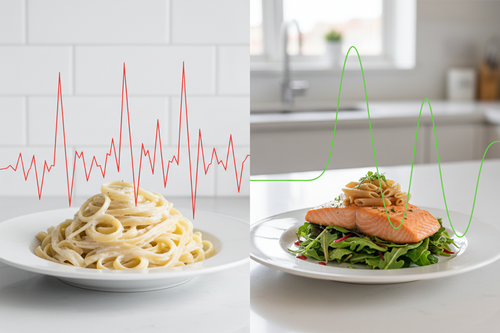
Fatty fish have almost no carbohydrates, their GI is zero. They provide protein that satiates without raising blood sugar, and EPA and DHA omega-3s, beneficial for the heart, an important issue when blood sugar is fragile.
Their direct effect on insulin sensitivity remains debated in studies. See our article on insulin resistance to understand this mechanism in detail.
How to use them: canned sardines (in olive oil, rinsed) on rye bread, mackerel in salad, steamed or foil-baked salmon. Prefer small fatty fish (sardines, anchovies, mackerel) for their low mercury content.
9. Chia and flax seeds
Mechanism: soluble fibers forming a glycemic gel + plant omega-3s
Amount: 1 to 2 tbsp per day (15 to 30 g)
Time to take effect: immediate on the meal's blood sugar spike
Chia and ground flax seeds are very rich in fiber (about 34% and 27%). Upon contact with water, they form a gel that slows carbohydrate digestion.
They also provide plant omega-3s (ALA). In a Canadian study (Vuksan et al., European Journal of Clinical Nutrition, 2010), adding chia seeds to white bread reduced the blood sugar rise, especially when the quantity was large.
How to use them: chia seeds in yogurt, smoothie, or as pudding (3 tbsp + plant milk, overnight in the fridge). Ground flax seeds (unground ones pass through the intestine without being digested) in yogurts, soups, or on salads.
10. Dark chocolate (70% cocoa and more)
Mechanism: flavanols + magnesium + low GI
Amount: 20 to 30 g per day (2 to 3 squares)
Time to take effect: 4 to 8 weeks
Very high cocoa dark chocolate has a low GI, provides flavanols (epicatechin, catechin) and magnesium. A few trials suggest a slight improvement in insulin sensitivity with cocoa flavanols, with variable results. It's above all a pleasure compatible with stable blood sugar.
The dose is key: 20 to 30 g per day is enough to provide beneficial flavanols without excess calories. The lower the cocoa percentage, the higher the sugar.
How to choose it: minimum 70% cocoa, ideally 85%, without modified soy lecithin, without artificial flavors. A good chocolate is savored slowly: two squares are enough.
How to integrate these 10 foods into daily life

No need to eat all 10 foods every day. The goal is to integrate several regularly, so as to cover the different mechanisms of action.
| Time | Foods to favor |
|---|---|
| Breakfast | Plain yogurt + chia seeds + blueberries + Ceylon cinnamon + almonds |
| Morning snack | Walnuts + 2 squares of 85% dark chocolate |
| Lunch | Lentil salad + avocado + apple cider vinegar in vinaigrette + steamed broccoli |
| Afternoon snack | Blueberries + almonds or pumpkin seeds |
| Dinner | Sardines or salmon + cruciferous vegetables + ground flax seeds on the salad |
These foods can be complemented, on advice, by specific natural dietary supplements for blood sugar regulation (berberine, chromium, magnesium). Diet remains the base: supplements come after, and not without advice if you take a treatment.
And what about leafy green vegetables?
Spinach, chard, lamb's lettuce, arugula, or kale also deserve their place on the plate. Very low in carbohydrates, rich in fiber and magnesium, they fill the plate without raising blood sugar. Starting the meal with a portion of raw vegetables or green vegetables is also one of the simplest gestures to smooth out the sugar curve of the following meal.
Frequently Asked Questions
Which food helps the fastest to limit a blood sugar spike?
Vegetables and proteins eaten at the beginning of the meal, as well as vinegar diluted in a vinaigrette, act from the meal concerned. In the long term, legumes and daily fiber count the most.
Does cinnamon really lower blood sugar?
Its effect exists but remains modest: meta-analyses find a small decrease in fasting blood sugar in people with diabetes, without a net effect on HbA1c. Choose Ceylon cinnamon, which is lower in coumarin than cassia.
Is avocado good for blood sugar?
Yes. It contains very few carbohydrates, a lot of good fats and fiber, and it satiates. Added to a meal, it helps smooth out the blood sugar rise and last until the next meal.
How many times a week should you eat legumes?
Three to four times a week is a good goal. In a Canadian trial (Jenkins et al., 2012), a diet enriched in legumes improved the HbA1c of people with diabetes in 3 months. If they bloat you, start with small well-cooked portions.
Can you eat chocolate when monitoring your blood sugar?
Yes, preferably dark chocolate at 70 or 85% cocoa, 2 to 3 squares, ideally at the end of the meal. Milk or white chocolate is much sweeter.
Are fruits to be avoided when monitoring your blood sugar?
No. Whole fruits, especially berries, apples, pears, and citrus fruits, have a moderate impact thanks to their fiber. Prefer them whole rather than as juice, and pair them with a few nuts or a yogurt.
Can these foods replace a diabetes treatment?
No. They support the balance of blood sugar but never replace a prescribed treatment. If you are diabetic, talk to your doctor about your dietary changes: it may be necessary to adapt your treatment.
Should you eat these 10 foods every day?
No. The idea is to incorporate several of them regularly, according to your tastes and budget. Two or three new habits maintained over time are better than a major change abandoned after a week.
Key takeaways
To regulate your blood sugar, it is better to add the right foods than to deprive yourself. These 10 foods replace neither a balanced diet nor medical treatment, but they fit easily into it.
Start with two or three of them this week. Chia seeds in your morning yogurt, apple cider vinegar in a salad dressing, lentils twice a week. Many people feel more stable energy in just a few days.
To understand why these foods are so effective and how to combine them with other strategies, check out our complete guide to gut health, because that is often where it all happens.
Want concrete meal ideas for stable energy all day long? Le Terrier's personalized follow-up for ten euros a month helps you put together your plates. To go further on your own, discover our e-books and protocols.
This article is for informational purposes and does not replace medical advice.