Hepatitis: Signs to Know and Natural Liver Support
Share
Your liver may be suffering right now without you feeling the slightest symptom. This reality affects more than 325 million people worldwide, and 80% of them are completely unaware of it. Hepatitis, these insidious liver inflammations, causes more deaths than HIV and tuberculosis combined, according to World Health Organization data.
When your liver burns in silence
Hepatitis means your liver is inflamed and gradually destroying itself. The inflamed liver continues to work, but less effectively. This is exactly what happens in your body during liver inflammation.
Hepatitis is divided into types A through E, each type attacking the liver through distinct mechanisms. Hepatitis B and C, transmitted through blood contact, can remain asymptomatic for two decades before revealing their devastation. Hepatitis A and E, of foodborne origin, are generally acute but reversible. As for non-alcoholic fatty liver disease, it has become the silent epidemic of the 21st century.
The five modern time bombs
The explosion of hepatitis cases has its roots in our contemporary habits. A study published in Hepatology reveals that regular alcohol consumption, even in doses considered moderate (two drinks daily), is enough to generate chronic liver inflammation in predisposed individuals.
Common medications are an often underestimated danger. Acetaminophen (paracetamol), consumed in excess or combined with alcohol, is the leading cause of acute liver poisoning in Western countries. American research shows that exceeding 3 grams per day for several weeks can cause irreversible damage.
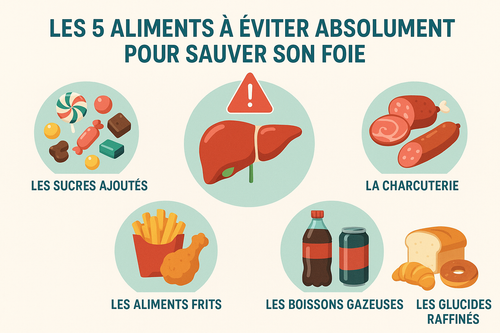
Ultra-processed food overloads the liver with fats and refined sugars. The result: 30% of overweight people develop hepatic steatosis, the first step toward cirrhosis. Hepatitis B and C viruses are still widespread, transmitted during medical care, tattoos, or everyday activities. Finally, environmental toxins (pesticides, air pollutants, plasticizers) attack our hepatocytes daily.
To learn more: our "Liver Disorders" guide details the habits, meals, and plants that support the liver, along with the precautions to know.
The seven ignored warning signs
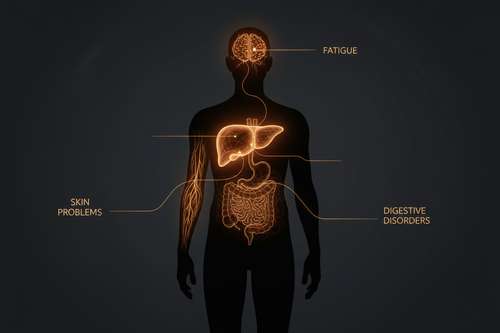
The insidious nature of hepatitis lies in its subtlety. Yet, the body sends signals that 90% of people ignore or attribute to something else. Unexplained chronic fatigue, resistant to rest, is often the first call for help from an overloaded liver.
Persistent digestive issues, especially after fatty meals, indicate deficient bile production. Pruritus (skin itching) without visible rash results from the accumulation of bile salts in the blood. Dark urine in the morning and pale stools signal a dysfunction in bilirubin elimination.
A dull pain in the right hypochondrium, under the ribs, indicates a distension of the liver capsule. Frequent nausea can accompany hepatitis. If you have one or more of these symptoms, especially dark urine or pale stools, see your doctor: only a blood test (liver panel, hepatitis screening) can tell what is going on.
The regenerative power of nature
The good news is that the liver has an exceptional regenerative capacity, unique in the human body. After surgical removal of a large part of the liver, the remaining part can even grow back. In chronic liver disease, however, this capacity declines as fibrosis sets in, which is why it helps to act early, with medical follow-up.
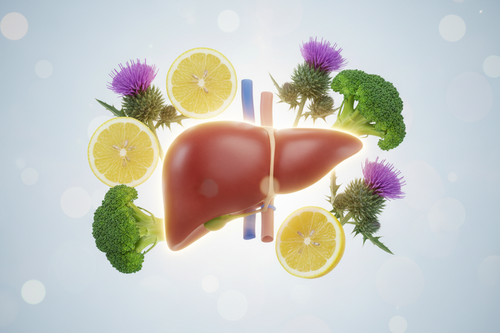
Milk thistle (Silybum marianum) is a champion in liver protection. A 2020 meta-analysis confirms that silymarin, its active ingredient, stimulates protein synthesis and accelerates the regeneration of damaged hepatocytes. Results are visible after just three months of supplementation.
The warm lemon ritual on an empty stomach, practiced for centuries, remains a well-loved traditional habit, although its effect on the liver has been little studied in humans. Limonenes stimulate hepatic enzyme production and promote the elimination of toxins through bile. Turmeric combined with black pepper (which multiplies its absorption by 2000) powerfully combats chronic inflammation, as demonstrated by several clinical trials.
Intermittent fasting 16/8 offers the liver periods of metabolic rest essential for its repair. During these windows without food intake, cellular autophagy eliminates damaged components and renews liver structures.
Bitter green vegetables (arugula, dandelion, endive) naturally stimulate bile production and facilitate the elimination of metabolic waste. Finally, abundant hydration (minimum two liters) remains the simplest and most effective detox step to support purification function.
The hope of regeneration
Contrary to popular belief, a diseased liver is not doomed. With a comprehensive and consistent approach, maintained over time and in partnership with your doctor, the liver can often recover a good part of its function. Medical imaging studies confirm it: a fatty liver can regain its normal appearance, and fibrosis can regress.
Hepatitis, whether viral, drug-induced, or alcohol-related, always requires medical follow-up: these lifestyle tips and herbs are a complement, never a replacement. Check with your doctor before taking any herb or supplement, especially if you are on medication.
This extraordinary resilience capacity nevertheless requires appropriate commitment and support. For those who wish to improve their liver health with quality natural products, our shop offers a rigorous selection of supplements specifically studied to support liver function. And to benefit from a personalized protocol adapted to your specific situation, remote consultations are available on our site, allowing you to get tailored advice from home.
Want daily support? Le Terrier's personalized follow-up, at €10 per month, allows you to ask us questions in writing and move at your own pace.