The 5 foods to absolutely avoid to save your liver
Share
The Modern Liver Crisis: When Our Diet Becomes Our Poison
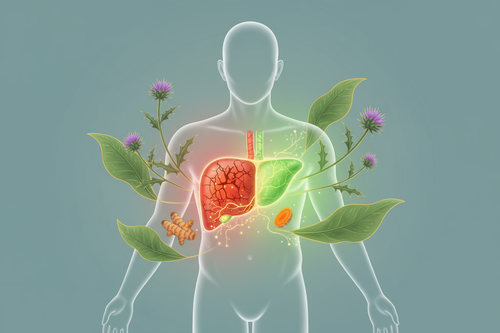
Our liver is subjected daily to a toxic onslaught unprecedented in human history. The statistics are alarming: non-alcoholic fatty liver disease now affects 25% of the world's population, and projections predict an explosion of diet-related cirrhosis in the coming decades. Many studies show that diet plays a major role in this damage, which makes our plate a key lever for protecting this vital organ.
1. Added Sugars: Turning the Liver into a Fat Factory
Added sugars represent the leading dietary threat to liver health. Research from the University of California has shown that consuming more than 25g of added fructose per day triggers de novo hepatic lipogenesis, the process by which the liver converts sugar into fat. This forced metabolic conversion overloads hepatocytes and initiates the process of fatty liver disease.
Large observational studies link a high intake of added sugars to a greater risk of fatty liver disease. Teenagers are not spared: in them too, a high intake of sugary drinks is linked to more fat in the liver. Fructose, metabolized largely by the liver, follows pathways close to those of alcohol, which led researcher Robert Lustig to describe it as "alcohol without the buzz."
2. Fried Foods: The Assault of Trans Fats
Fried foods inflict a double trauma on the liver through their trans fat and advanced glycation end-product (AGE) content. Observational studies link regular consumption of fried foods to a higher risk of fatty liver disease. Trans fats directly disrupt hepatic mitochondrial function, reducing the liver's ability to metabolize lipids.
Oils heated at high temperatures generate toxic aldehydes that preferentially accumulate in liver tissue. Research from Massachusetts General Hospital shows that these compounds induce major oxidative stress, depleting hepatic glutathione reserves and accelerating progression toward fibrosis. Fast-food fries also contain acrylamide, a compound that forms during high-temperature cooking and that the liver has to process.
To learn more: our "Liver Disorders" guide details the habits, meals, and plants that support the liver, along with the precautions to know.
3. Processed Meats: The Toxic Cocktail of Salt and Preservatives
Processed meats constitute a multiple assault on the liver. Beyond their high saturated fat content, they contain nitrites that turn into hepatotoxic nitrosamines. Some observational studies link a high intake of processed meat to a higher risk of liver disease; the International Agency for Research on Cancer (IARC) also classifies processed meat as carcinogenic to humans, mainly for colorectal cancer.
The excessive sodium in processed meat products creates intrahepatic water retention that increases portal pressure. Japanese studies show that every additional gram of salt consumed daily increases liver stiffness measured by elastography. This progressive fibrosis, silent for years, inexorably leads to cirrhosis in heavy processed meat consumers.
4. Soft Drinks: The Liquid Sugar Tsunami
Soft drinks represent the most insidious form of liver assault. A standard can contains the equivalent of 10 teaspoons of sugar, delivered in liquid form that bypasses satiety mechanisms. The Framingham study of 2,634 participants found that drinking at least one sugar-sweetened beverage a day was linked to about 61% higher odds of fatty liver disease compared with non-consumers.
The high-fructose corn syrup used in these drinks is metabolized differently than table sugar. Research in rats at Princeton University found that it promoted more weight gain and abdominal fat buildup than sucrose. Added phosphates also disrupt hepatic calcium metabolism, contributing to the formation of intrahepatic calcifications.
5. Refined Carbohydrates: The Enemy Disguised as a Staple Food
Refined carbohydrates, white bread, white pasta, white rice, cause repeated blood sugar spikes that deplete the liver's ability to regulate blood glucose. Replacing refined carbohydrates with their whole-grain equivalents is one of the dietary approaches being studied to help reduce liver fat.
The refining process removes the fiber that normally slows glucose absorption. This rapid absorption forces the liver to convert excess glucose into fat via de novo lipogenesis. A high, regular intake of refined carbohydrates is linked to a greater risk of NASH (non-alcoholic steatohepatitis), a cumulative effect that gradually turns the liver into a fatty, inflamed organ.
Protecting Your Liver, a Lifestyle Choice
These five categories of foods have well-documented harmful effects on the liver that far outweigh their questionable nutritional value. Their elimination or drastic reduction allows for remarkable liver regeneration, with studies showing an improvement in liver markers in just a few weeks. The liver has an extraordinary capacity for regeneration, but only if we stop assaulting it daily with these modern dietary poisons.
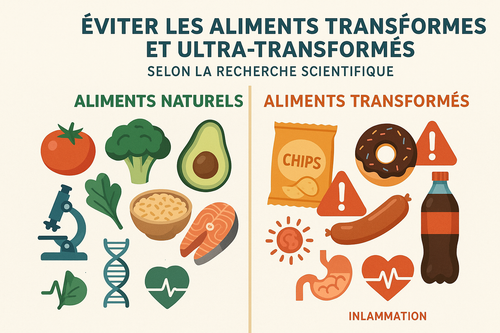
Liver protection does not require complex diets but simply avoiding these five identified enemies. Replacing added sugars with whole fruits, fried foods with gentle cooking methods, processed meats with lean proteins, sodas with water, and refined carbohydrates with their whole-grain versions represents a vital investment in your future liver health. The choice is yours: continue to poison your liver daily or give it the chance to serve you healthily for decades.
Want daily support? Le Terrier's personalized follow-up, at €10 per month, allows you to ask us questions in writing and progress at your own pace.