The science of liver regeneration: naturally supporting your liver
Share
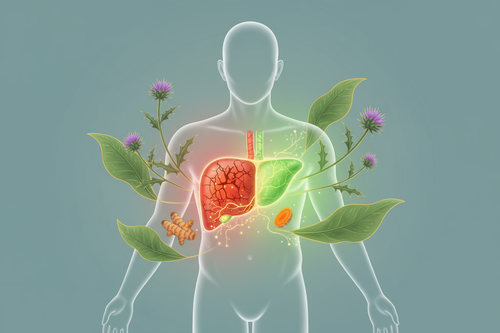
The liver "detox" is one of the most controversial topics in natural health. Between miracle juice cleanses and medical skepticism, the truth lies in physiology. Modern science now confirms that the liver does not "cleanse" itself like a vacuum filter, but rather possesses a unique regenerative capacity when provided with the right enzymatic cofactors.
The liver: a metabolic factory in overdrive
Weighing about 1.5 kg (3.3 lb), your liver performs more than 500 vital functions. Its main detoxification mission takes place in two critical steps:
-
Phase I (bioactivation): enzymes (cytochrome P450) transform toxins into intermediate compounds.
-
Phase II (conjugation): the liver attaches a molecule (such as glutathione) to these compounds to make them water-soluble and allow their elimination.
The modern problem? An overload of xenobiotics (pollutants, additives, alcohol) that saturates Phase II, creating oxidative stress in the liver.
Want to go further? Discover our complete 30-day protocol to boost your liver functions in our new Ebook: Regenerate Your Liver Naturally.
1. Lemon water: a digestive wake-up signal
The ritual of warm lemon water upon waking is not a magic "cleanse," but an effective reflex stimulant.
-
Cholagogue action: the acidity of the lemon stimulates the receptors in the mouth and stomach, reflexively triggering a contraction of the gallbladder. This promotes the excretion of bile stored overnight.
-
Vitamin C intake: a major antioxidant, it helps neutralize free radicals generated during Phase I of detoxification.
-
Temperature: warm water (35-40°C (95-104°F)) avoids thermal shock and promotes gastrointestinal motility, thus facilitating the elimination of metabolites into the intestine.
-
Duration: this ritual is ideal as a course (21 days) during seasonal changes. Long-term use is not recommended for everyone: in some cases, this ritual can weaken tooth enamel or demineralize the body if the terrain is already acidic. Listen to your body.
2. Milk thistle: the biological shield
If there is one plant validated by science, it is Milk Thistle (Silybum marianum). Its active complex, silymarin, acts directly on the structure of liver cells (hepatocytes).
-
Membrane stabilization: it prevents the penetration of certain toxins into the cell.
-
Protein synthesis: it stimulates RNA polymerase I activity, thus promoting the regeneration of damaged liver tissues.
-
Glutathione precursor: clinical studies show that it helps maintain high levels of glutathione, the liver's "master antioxidant."
3. Cruciferous and green vegetables: the fuel for Phase II
For your liver to eliminate toxins, it needs sulfur and specific molecules found in plants:
-
Broccoli and kale: rich in glucosinolates (sulforaphane), they support Phase II enzymes, essential for neutralizing carcinogenic compounds and environmental pollutants.
-
Artichoke: contains cynarin, which protects liver cells and stimulates bile production (choleretic effect).
-
Chlorophyll: found in spinach, it helps limit the intestinal absorption of certain heavy metals and toxins.
4. Intermittent fasting: the autophagy "Reset"
The liver is the organ that benefits most from digestive rest. When you stop eating for 14 to 16 hours, you activate hepatic autophagy. This process allows the liver to recycle its own defective cellular components and burn excess fat stored in hepatocytes (thus fighting non-alcoholic fatty liver disease).
A holistic approach
Liver regeneration is not the result of a miracle ingredient, but of synergy: Targeted nutrition + Metabolic rest + Liver-protective plants. The liver is one of the few organs capable of regenerating completely from just 25% of its healthy tissue. By providing it with the right tools, you improve your energy, digestion, and skin clarity.
To go further, our liver guide offers shopping lists, recipes, and micronutrition advice.
Discover our guide to liver regeneration
These two bitter plants are traditionally used to support fat digestion. Artichoke contains cynarin, studied for its ability to stimulate bile production. Dandelion root provides inulin, a fiber that feeds the good bacteria in the intestine. They can be consumed in cooking or as an infusion. In case of gallstones or ongoing treatment, ask for advice before any course. Want daily support? Le Terrier's personalized follow-up, at €10 per month, allows you to ask us questions in writing and move at your own pace. The liver is one of the few organs capable of regenerating completely. For an improvement in enzymatic markers, we generally count between 3 and 6 months of nutritional support and a consistent lifestyle. The acidity of the lemon can weaken the enamel. To avoid this, drink your lemon water through a straw or rinse your mouth with clear water immediately after. Always use warm water, not boiling water, to preserve vitamin C. Milk thistle is not recommended in case of bile duct obstruction (large gallstones). Due to its effect on liver enzymes, it can also alter the effectiveness of certain medications. Always consult a doctor. For the liver, "circadian" fasting is ideal: eat early in the evening (before 7 or 8 PM) and allow at least 14 to 16 hours of rest before the first meal the next day to activate hepatic autophagy. Cruciferous vegetables (broccoli, cabbage) contain glucosinolates that specifically activate Phase II of hepatic detoxification, the step where toxins are chemically neutralized before being eliminated. Warning: active detoxification requires energy from the body. If you are completely exhausted, prioritize rest and support (Milk Thistle) rather than drastic dietary restrictions. Persistent morning fatigue, slow digestion (nausea, bloating), a coated tongue upon waking, or frequent headaches may indicate that your liver function needs support. Contrary to popular belief, several studies show that moderate coffee consumption (without sugar) has a protective effect against fibrosis and fatty liver disease thanks to its polyphenols.Dandelion and artichoke
Errors to avoid
Frequently Asked Questions: Everything You Need to Know About Liver Health
1. How long does it take to regenerate the liver?
2. Can lemon water damage tooth enamel?
3. Are there any contraindications for milk thistle?
4. What is the best time to practice intermittent fasting?
5. Why are green vegetables more effective than others?
6. Can you do a "detox" if you are very tired?
7. What are the signs of an overloaded liver?
8. Is coffee good or bad for the liver?