High cholesterol: causes and natural solutions to lower it
Share
An Invisible Pandemic with Deadly Consequences
Hypercholesterolemia is one of the most insidious health threats of our time, silently affecting nearly 1 in 5 adults in France according to data from Santé publique France (Esteban study). This abnormal elevation of LDL cholesterol beyond 1.6 g/L (160 mg/dL) progresses symptom-free for years, gradually raising cardiovascular risk. And this proportion did not decrease between 2006 and 2015, which makes it a real public health issue.
Yet excess LDL cholesterol is one of the main risk factors for cardiovascular disease, which remains one of the leading causes of death in France. Even more disturbing, 60% of heart attack or stroke victims were completely unaware of their condition. For some people, the first sign is therefore a cardiovascular event, which is why screening matters.
The Mechanisms of a Metabolic Catastrophe
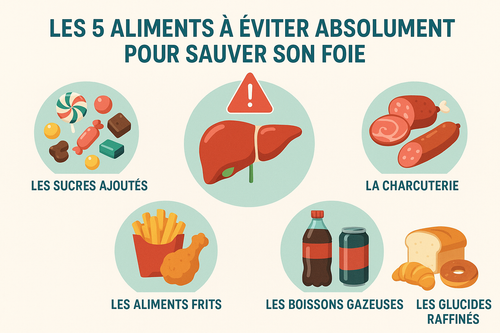
The development of hypercholesterolemia results from a complex disruption of lipid metabolism. The liver, which normally regulates blood cholesterol, loses its ability to maintain balance in the face of the massive influx of saturated and trans fats found in the modern diet. Research published in the European Heart Journal shows that excessive consumption of ultra-processed foods stimulates hepatic LDL production while reducing the expression of the receptors responsible for its removal.
Refined sugars, long overlooked in this equation, play an essential newly recognized role. They promote hepatic lipogenesis and the production of VLDL, precursors of atherogenic LDL. This metabolic cascade creates an environment conducive to the oxidation of LDL cholesterol in the arterial walls, triggering an inflammatory reaction that initiates the formation of atherosclerotic plaques.
The Factors Behind an Epidemic Explosion
Ultra-processed food is the main culprit behind this explosion. The WHO estimates that 75% of modern lipid intake comes from industrial foods rich in trans and saturated fatty acids. These artificial fats profoundly disrupt hepatic metabolism and promote the accumulation of oxidized cholesterol, which is particularly atherogenic.
Massive physical inactivity greatly amplifies the problem. We move 75% less than in 1950, depriving our bodies of the metabolic stimulus essential for lipid regulation. Physical inactivity reduces the expression of muscular lipoprotein lipase, an enzyme crucial for triglyceride removal and the increase of protective HDL.
Chronic stress, an underestimated modern scourge, disrupts the hypothalamic-pituitary-adrenal axis. Elevated cortisol stimulates hepatic glucose and lipid production while promoting abdominal adiposity, creating a metabolic environment conducive to hypercholesterolemia. Studies show a direct correlation between perceived stress levels and LDL levels.
Natural Solutions Validated by Science
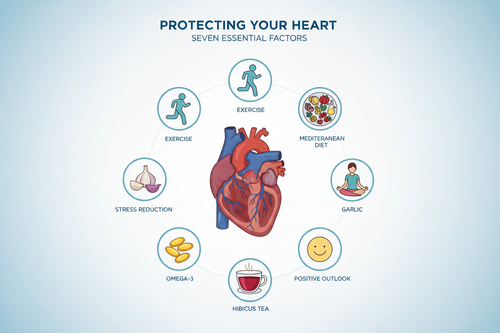
The Mediterranean diet stands out as the most effective nutritional intervention against hypercholesterolemia. The PREDIMED study involving 7,447 participants showed an approximately 30% decrease in major cardiovascular events with this dietary pattern, supplemented with extra virgin olive oil or nuts. An abundance of fruits, vegetables, whole grains, and extra virgin olive oil favorably alters the lipid profile while reducing vascular inflammation.
Regular physical exercise transforms lipid metabolism. Thirty minutes of brisk walking daily increases HDL by 5% while reducing LDL by 10% and triglycerides by 20%. Physical activity stimulates the production of lipolytic enzymes and improves the sensitivity of hepatic receptors to LDL, facilitating its removal.
Soluble fibers are an effective weapon against cholesterol. Oats, rich in beta-glucans, trap bile acids in the intestine, forcing the liver to draw from its cholesterol reserves to produce new ones. A daily intake of 3 g of beta-glucans reduces LDL by 7% according to meta-analyses. Legumes offer similar benefits, with the added advantage of providing cardioprotective plant-based proteins.
The Urgency of Acting Now
Hypercholesterolemia does not forgive ignorance or procrastination. Every day spent with high LDL accelerates atherosclerosis and brings you closer to the risk of a major cardiovascular event. The good news is that this condition is reversible with appropriate interventions. Lifestyle changes can normalize the lipid profile in 3 to 6 months for the majority of cases.
Regular screening is essential, especially after age 40 or in the presence of risk factors. A simple lipid panel can save a life by identifying silent hypercholesterolemia early. Preventive action remains infinitely preferable to managing cardiovascular complications.
This advice does not replace medical care: if your blood test shows high cholesterol, talk to your doctor, and never stop a prescribed treatment (a statin or other) without their approval.
To take charge of your cardiovascular health with a personalized protocol to naturally normalize your cholesterol, book a remote consultation on our website. Protect your heart today with a natural and scientifically validated approach.
Want daily support? Le Terrier's personalized follow-up, at €10 per month, allows you to ask us questions in writing and progress at your own pace.