The emunctories in naturopathy: understanding and supporting the organs of elimination
Share
If you have ever consulted a naturopath, you have probably heard of emunctories. This somewhat mysterious term refers to the organs through which our body eliminates what it no longer needs. It is one of the cornerstones of traditional naturopathy.
The concept is often associated with "detox" programs that promise to eliminate toxins. Here, we prefer clarity: your body knows very well how to get rid of its waste, and no miracle product does it for you. However, you can help it do its job properly. Here is how.
What is an emunctory?
In naturopathy, five emunctories are traditionally described: the liver, the intestines, the kidneys, the lungs, and the skin. The idea is simple: if these elimination pathways work properly, the body remains in balance; if they are overloaded, waste products accumulate and the terrain is weakened.
What physiology says: the vocabulary of naturopathy (overload, toxins, drainage) is figurative and has no precise medical equivalent. However, the organs involved do play a real and well-known role in elimination. This is the solid foundation we rely on, without promising to "cleanse" the body.
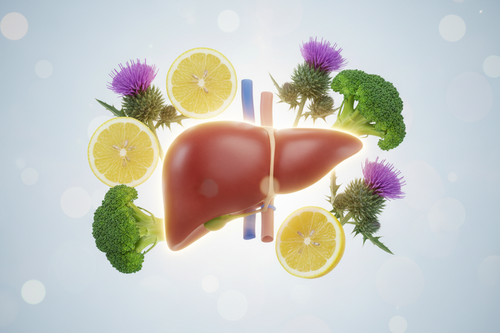
The liver: the great processing plant
The liver processes medications, alcohol, hormones, and many substances to make them eliminable, through bile or urine. It also produces bile, which is essential for fat digestion.
How to support it
- Limit alcohol, the liver's primary enemy;
- Reduce sugary drinks: excess fructose and sugar promote fatty liver;
- Stay active and, if necessary, lose a little weight: this is the most effective way to combat fatty liver disease;
- Eat vegetables, especially cruciferous and bitter ones (radish, artichoke, chicory), traditionally used to aid digestion;
- Avoid taking multiple medications on your own, especially high doses of acetaminophen (paracetamol).
To learn more, read our article on liver regeneration and the one on the real signs of a diseased liver.
The intestines: much more than a tube
The intestines eliminate the residues of digestion, some of the bile and what it carries, and house the microbiota, which also transforms many substances. Regular transit is therefore essential.
How to support them
- Eat enough fiber: vegetables, fruits, legumes, whole grains;
- Drink regularly throughout the day;
- Stay active, as physical activity stimulates transit;
- Go to the bathroom without holding it in, and take your time.
Everything on the subject in our complete guide to intestinal health.
The kidneys: the blood filters
Every day, the kidneys filter about 180 liters of blood to produce 1 to 2 liters of urine. They eliminate waste products such as urea and creatinine, and regulate the body's balance of water, salt, and acidity.
How to support them
- Drink enough, adjusting for heat and exertion: clear urine is a good indicator;
- Limit salt, which strains the kidneys and raises blood pressure;
- Monitor your blood pressure and blood sugar: hypertension and diabetes are the two leading causes of kidney disease;
- Avoid repeatedly taking anti-inflammatory drugs on your own.
We detail these steps in our article on protecting your kidneys naturally.
The lungs: elimination through breath
With every exhalation, the lungs eliminate the carbon dioxide produced by our cells, as well as certain volatile substances such as alcohol. They also filter the particles in the air we breathe.
How to support them
- Do not smoke, and avoid secondhand smoke;
- Ventilate your home for at least ten minutes a day;
- Engage in physical activity that makes you breathe more deeply;
- Allow yourself moments of slow, deep breathing, which also soothe the nervous system.
The skin: a more modest role than is often claimed
The skin primarily protects the body. Through perspiration, it helps regulate temperature. It is often credited with a major role in eliminating toxins, but in reality, sweat is composed of 99% water and eliminates only tiny amounts of waste.
Sweating remains pleasant and beneficial: physical activity and the sauna have real benefits for the heart and relaxation. But you sweat to cool down, not to "detoxify." Remember to rehydrate properly, and avoid the sauna if you are pregnant or have a heart condition that is not being monitored by a doctor.
Traditional plants: what precautions should be taken?
Naturopathy traditionally uses so-called "drainage" plants to support the liver and digestion: black radish, artichoke, milk thistle, desmodium, rosemary. Their use is primarily traditional; human studies remain limited, with the exception of milk thistle silymarin, which has been studied in certain liver diseases with mixed results.
Important precautions: choleretic plants such as black radish or artichoke are contraindicated in cases of gallstones or bile duct obstruction. Avoid herbal courses during pregnancy and breastfeeding without medical advice, and ask your pharmacist for advice if you are taking medications: some plants can alter their effects.
Would you like to review your lifestyle and find out where to start? A first naturopathy consultation allows you to create an approach tailored to your situation.
Frequently asked questions
What are emunctories in naturopathy?
They are the organs through which the body eliminates what it no longer needs: the liver, the intestines, the kidneys, the lungs, and the skin. Naturopathy considers their proper functioning essential to overall health.
Should you do a detox program to support your emunctories?
No. No study shows that a "detox" product eliminates toxins better than the body itself. The best support remains a regular lifestyle: less alcohol and ultra-processed products, fiber, water, exercise, and sleep.
What are the signs of a tired liver?
In naturopathy, slow digestion, heaviness after fatty meals, or fatigue upon waking are sometimes mentioned, but these signs are not specific. The real medical signs of liver damage, such as jaundice, dark urine, or itching, require prompt medical attention.
Does drinking a lot of water cleanse the kidneys?
Drinking enough is important for proper kidney function, but drinking much more than you need provides no additional benefit and can even be dangerous in excess. Adjust your intake according to heat and exertion.
Does sweating help eliminate toxins?
Very little. Sweat is primarily used to regulate temperature and contains almost exclusively water and salts. Exercise and the sauna have other real benefits, especially for the heart and relaxation, but they do not "detoxify" the body.
Are black radish and artichoke effective?
They are traditionally used to aid the digestion of fats by stimulating bile production. The evidence remains limited. They are contraindicated in cases of gallstones and should be taken as a short course, preferably under professional advice.
When should you do a liver support program?
Naturopathy often recommends courses during seasonal changes, especially in spring and autumn. There is no evidence that one time is better than another: the main thing is to support the liver daily through diet and by limiting alcohol.
Are emunctories recognized by medicine?
The term belongs to naturopathy. However, the elimination role of the liver, kidneys, intestines, and lungs is well known in medicine. What has not been demonstrated is the idea of a "toxin overload" that needs to be drained with specific products.
Helping the body do what it already knows how to do
The concept of emunctories has a great merit: it reminds us that our health depends on organs that work silently, day and night, to keep our body in balance. There is no need for a big detox program to help them. Less alcohol and sugar for the liver, fiber for the intestines, water and less salt for the kidneys, fresh air and exercise for the lungs: these simple steps are the best allies of your elimination organs. And if an unusual sign appears, your doctor remains your first point of contact.
Would you like a simple plan to take care of your elimination organs daily? Le Terrier's personalized follow-up at ten euros a month supports you at your own pace. For the liver, also discover our Liver Disorders e-book.
This article is for informational purposes and does not replace medical advice.
To learn more
- Supporting your liver naturally: methods that have proven their worth
- How to protect your kidneys naturally: the complete guide to kidney health
- Intestinal health: the complete guide to a naturally balanced microbiota
- Toxic load and exposome: how to purify your daily life and protect your liver?
- Clay program: benefits, protocol, and precautions for safe use