

The healthy shopping list: foods to eat every day
Share
This shopping list is your future medicine cabinet, each chosen food is a dose of longevity, raw energy and ancestral resilience.
Shop as if your life depended on it... because it does ;)
Meats and offal
- Beef: rich in heme iron, zinc, vitamins B12 and B6, it supports immunity and red blood cell formation. Ideal 2 to 3 times/week, grilled or stewed to preserve its nutrients.
- Veal: source of protein, iron, zinc and B vitamins, it promotes muscle growth and vitality. Consume 1 to 2 times/week, tender when quickly cooked or stewed.
- Pork: provides vitamin B1, B6, zinc and essential proteins for energy and the nervous system. Opt for lean (pork tenderloin) 2 times/week, grilled or roasted.
- Lamb: rich in iron, zinc and omega-3 fatty acids, it supports metabolism and cardiovascular health. Limit to 1 time/week, roasted or slow-cooked.
- Duck: good source of iron, vitamin B and omega-9, it protects the heart and reduces inflammation. Consume 1 time/week, ideally medium-rare or confit.
- Chicken: lean and rich in protein, B6 and phosphorus, it promotes muscle recovery and bone strength. 2 to 4 times/week, cook without skin to limit fats.
- Turkey: rich in tryptophan, zinc and protein, it contributes to satiety and mental well-being. 2 to 3 times/week, grilled or baked.
- Rabbit: source of lean protein, iron and selenium, it supports energy and cellular protection. 1 to 2 times/week, stewed or roasted to preserve its tenderness.
- Game: very rich in iron, zinc and omega-3, it strengthens immunity and prevents anemia. Limit to 1 time/week, marinated and slow-cooked to preserve its flavors.
- Offal (liver, heart, kidneys, tongue, brain...): excellent sources of iron, B12, vitamin A and coenzyme Q10, they stimulate the brain, energy and immunity. Consume 1 time/week, ideally pan-seared or as terrine to preserve their benefits.
Fish and seafood
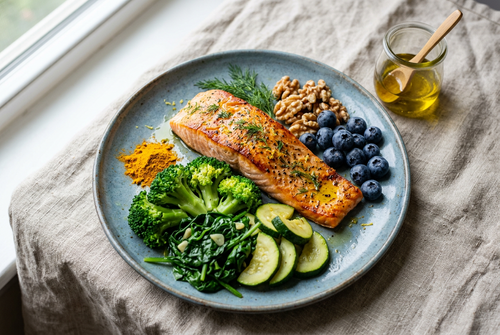
- Salmon (wild preferably): rich in omega-3, vitamin D, B12, selenium and protein, it reduces inflammation and promotes heart health. Recommended consumption: 2 to 3 times per week, ideally grilled, en papillote or raw as sashimi.
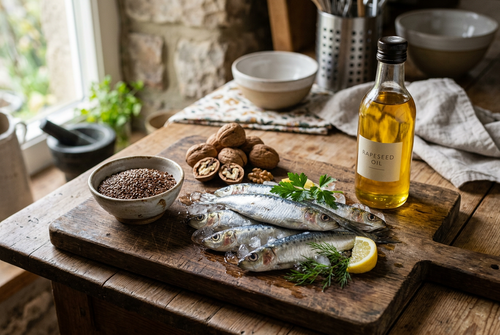
- Sardines (fresh or canned without sunflower oil): Full of calcium, phosphorus, omega-3 and vitamin D, they strengthen bones and the cardiovascular system. Consume 2 to 3 times per week, fresh grilled or canned.
- Mackerel: source of omega-3, B12, iodine and selenium, it protects the heart and improves memory. Eat 1 to 2 times per week, grilled or as tartare with lemon.
- Herring: rich in vitamin D, B12 and omega-3, it supports immunity and energy. Enjoy 1 to 2 times per week, marinated, smoked or in salad.
- Trout: provides omega-3, protein and B vitamins, beneficial for the brain and muscles. Savor 2 times per week, grilled or baked with herbs.
- Tuna (avoid bluefin tuna): good source of protein, selenium and omega-3, but may contain mercury. Limit to 1 time per week, as grilled steak or tartare.
- Cod (salt or fresh): light, rich in protein, iodine and vitamin B12, it supports metabolism and the thyroid. Consume 2 times per week, poached or baked with vegetables.
- Sea bass: source of omega-3, B6 and potassium, good for circulation and the nervous system. Ideal 1 to 2 times per week, steamed or en papillote.
- Pollock: low in fat, rich in protein and B12, beneficial for muscles and blood. Consume 1 to 2 times per week, as grilled fillet or in curry.
- Whiting: light, digestible and source of B12, iodine and protein, it promotes muscle recovery. Eat 2 times per week, as pan-seared fillet or in soup.
- Shrimp: rich in protein, zinc and selenium, they support immunity and the skin. Enjoy 1 to 2 times per week, sautéed with garlic or in salad.
- Mussels: excellent source of iron, B12 and omega-3, they support energy and the brain. Consume 1 time per week, marinière or au gratin.
- Oysters: very rich in zinc, iodine and B12, they strengthen the immune system and fertility. Eat 1 to 2 times per month, raw with a drizzle of lemon.
- Scallops: source of B12, magnesium and protein, they promote muscle relaxation and nerve health. Savor 1 to 2 times per month, pan-seared with butter and garlic.
Nuts and seeds
- Almonds: rich in vitamin E, magnesium, fiber and antioxidants, they promote cardiovascular and brain health. 100-150 g/week, consume plain or as puree.
- Nuts (walnuts, Brazil nuts, macadamias...): provide omega-3, selenium (especially Brazil nuts), magnesium and antioxidants, ideal for the heart and cognition. 5-7 nuts/day, raw to preserve nutrients.
- Hazelnuts: rich in vitamin E, manganese and unsaturated fatty acids, promote cellular protection and energy. 100 g/week, to snack on or as butter.
- Pecans: excellent in antioxidants, good for blood sugar and inflammation thanks to monounsaturated fatty acids. 80-100 g/week, raw or roasted without salt.
- Cashews: provide iron, zinc and magnesium, good for immunity and energy, but rich in oxalates. 50-75 g/week, plain or as puree.
- Pistachios: source of protein, potassium and vitamin B6, support muscles and blood circulation. 100 g/week, unsalted and with the skin for more antioxidants.
- Pine nuts: contain magnesium, iron and essential fatty acids, promote satiety and cardiovascular health. 50 g/week, in salads or in pesto.
- Flax seeds: very rich in omega-3, fiber and lignans, beneficial for transit and hormonal balance. 3 tbsp/week, ground and added to dishes.
- Chia seeds: high in omega-3, fiber and calcium, promote digestion and lasting energy. 2-3 tbsp/day, soaked in a liquid for better assimilation.
- Sunflower seeds: source of vitamin E, magnesium and unsaturated fatty acids, good for the skin and nervous system. 100 g/week, raw or in salad.
- Pumpkin seeds: rich in zinc, iron and phytosterols, beneficial for the prostate and immunity. 100 g/week, roasted or raw.
- Sesame seeds: provide calcium, magnesium and lignans, good for bones and hormonal regulation. 50-100 g/week, as tahini or sprinkled on dishes.
- Almond butter (no added sugar)
- Cashew butter (creamy, source of magnesium)
- Macadamia nut butter (rich in omega-9)
- Tahini (sesame paste, for a calcium boost)
Vegetables and mushrooms
- Broccoli: rich in vitamin C, K, folates, fiber and antioxidants; supports immunity and protects cells; 3 to 5 servings/week; steamed or lightly sautéed.
- Cauliflower: vitamin C, K, choline, fiber; promotes digestion and liver detoxification; 3 to 4 servings/week; raw in salad or roasted in the oven.
- Cabbage (green, red, curly...): vitamins C, K, calcium, fiber; anti-inflammatory and beneficial for the microbiota; 2 to 3 servings/week; in soup, sautéed or in salad.
- Brussels sprouts: rich in fiber, vitamins C and K, antioxidants; supports digestion and reduces inflammation; 2 to 3 servings/week; roasted or sautéed with spices.
- Spinach: iron, magnesium, vitamin K, beta-carotene; good for bones and vision; 3 to 5 servings/week; raw in salad or lightly cooked.
- Salad greens (lettuce, romaine, lamb's lettuce...): vitamins A, K, folates; hydrating and digestive; 4 to 6 servings/week; raw with olive oil and lemon.
- Arugula: rich in vitamin K, calcium, antioxidants; strengthens bones and protects against oxidative stress; 3 to 5 servings/week; in salad or on a pizza after baking.
- Watercress: source of vitamin C, iron, calcium; excellent for blood circulation and the skin; 2 to 3 servings/week; raw in salad or in soup.
- Swiss chard: magnesium, potassium, vitamin A, fiber; promotes digestion and heart health; 3 to 4 servings/week; in gratin or sautéed with garlic.
- Leek: rich in fiber, vitamin C, folates; good for transit and the heart; 2 to 3 servings/week; braised or in soup.
- Onion: antioxidants, vitamin C, quercetin; anti-inflammatory and cardiovascular protector; 3 to 5 servings/week; raw in salad or cooked as compote.
- Garlic: alliin, sulfur, vitamins B6 and C; antibacterial and cardiovascular system protector; 4 to 6 cloves/week; raw or lightly cooked to preserve its benefits.
- Shallot: rich in flavonoids, vitamin C, manganese; anti-inflammatory and blood sugar regulator; 3 to 4 servings/week; raw or caramelized.
- Radish: vitamin C, sulfur, fiber; detoxifying and digestive stimulant; 3 to 5 servings/week; raw in salad or with salt.
- Turnip: fiber, vitamin C, potassium; supports immunity and promotes digestion; 2 to 3 servings/week; roasted or in soup.
- Carrot: beta-carotene, vitamin A, fiber; beneficial for the skin and vision; 3 to 5 servings/week; raw grated or steamed.
- Beet: nitrates, iron, vitamin C; improves blood circulation and endurance; 2 to 3 servings/week; raw grated or roasted.
- Zucchini: water, fiber, potassium, vitamin C; hydrating and digestive; 3 to 4 servings/week; sautéed or in a creamy soup.
- Cucumber: silica, potassium, vitamin K; hydrating and refreshing; 4 to 6 servings/week; raw in salad or infused water.
- Bell pepper: vitamin C, beta-carotene, flavonoids; antioxidant and skin protector; 3 to 5 servings/week; raw or roasted in the oven.
- Tomato (in season): lycopene, vitamin C, potassium; protects the heart and skin; 3 to 5 servings/week; raw in salad or cooked in sauce.
- Eggplant: antioxidants, fiber, potassium; helps digestion and protects against cellular aging; 2 to 3 servings/week; grilled or in ratatouille.
- Mushrooms (button, porcini, chanterelles, oyster mushrooms...): vitamins B, D, selenium; immunostimulants and beneficial for metabolism; 3 to 4 servings/week; sautéed or in omelet.
Legumes
- Lentils: excellent source of plant protein (25g/100g), iron and fiber. Regulate blood sugar and support intestinal health. 2 to 3 servings/week, soak 12h before cooking.
- Chickpeas: rich in protein (19g/100g), manganese and folate. Strengthen bone and cognitive health. 2 servings/week, ideally sprouted or homemade hummus.
- Red/black beans: concentrated in antioxidants, zinc and vitamin B1. Boost immunity and energy. 1 to 2 servings/week, always well cooked to neutralize lectins.
- Split peas: exceptional in lysine (essential amino acid) and phosphorus. Support muscle recovery. 2 servings/week, in soup or puree.
- Fava beans: packed with protein (26g/100g), copper and vitamin K. Stimulate collagen production. 1 serving/week, shelled after cooking.
Seasonal fruits
- Apples: rich in fiber, vitamin C and antioxidants, they promote digestion and reduce cardiovascular risk. 5 to 7 apples/week, to snack on raw or unsweetened compote.
- Pears: source of fiber, potassium and vitamin C, they facilitate transit and hydrate the body. 4 to 6/week, raw or poached.
- Bananas: provide potassium, magnesium and vitamin B6, ideal for energy and muscle recovery. 3 to 5/week, raw or in smoothie.
- Grapes: rich in polyphenols and resveratrol, they protect the heart and skin. 2 to 3 bunches/week, raw or homemade juice.
- Cherries: high in anthocyanins and melatonin, they fight inflammation and improve sleep. 2 to 3 servings/week, fresh or coulis.
- Peaches: filled with beta-carotene and vitamins A and C, they hydrate the skin and support immunity. 3 to 5/week, raw or in fruit salad.
- Apricots: source of iron, fiber and provitamin A, they promote eye and intestinal health. 4 to 6/week, raw or dried.
- Plums: rich in sorbitol and fiber, excellent natural laxative. 3 to 5/week, fresh or prunes.
- Figs: source of calcium, magnesium and antioxidants, strengthen bones and fight stress. 3 to 5/week, fresh or dried.
- Strawberries: high in vitamin C and flavonoids, support immunity and protect the skin. 3 to 6 servings/week, fresh or in salad.
- Raspberries: rich in fiber and ellagitannins, they improve transit and prevent inflammatory diseases. 3 to 5 servings/week, raw or coulis.
- Blueberries: concentrated in anthocyanins and vitamin K, they improve memory and blood circulation. 3 to 4 servings/week, raw or in smoothie.
- Blackberries: high in vitamin C and manganese, they strengthen bones and support the immune system. 3 to 5 servings/week, raw or dessert.
- Oranges: major source of vitamin C and flavonoids, they stimulate immunity and protect the heart. 3 to 7/week, juice or wedges.
- Lemons: antioxidants and vitamin C, detoxifying and digestive protectors. 2 to 5/week, juice or zest.
- Grapefruit: rich in vitamin C and naringenin, they promote weight loss and reduce inflammation. 2 to 4/week, wedges or juice.
- Kiwis: very rich in vitamin C and fiber, they stimulate transit and strengthen immunity. 3 to 6/week, raw or in smoothie.
Tubers and roots
- Sweet potato: rich in beta-carotene, vitamins C and B6, fiber and antioxidants; promotes eye health and digestion. Ideal roasted or as puree, the recommended dose is about 3 servings per week.
- Parsnip: source of vitamin C, B9, potassium and fiber, it supports immunity and intestinal transit. Consume raw in salad or roasted, about 2 to 3 servings per week.
- Jerusalem artichoke: contains inulin (prebiotic), iron and potassium, beneficial for the microbiota and blood sugar regulation. Better digested steamed or as puree, 1 to 2 times per week.
- Cassava (cassava flour too): provides complex carbohydrates, vitamin C and manganese, supporting energy and bone density. Consume boiled or in flour form in small quantities (2 servings max/week) due to its cyanogen content.
- Yam: rich in vitamin B6, potassium and antioxidants, it promotes cardiovascular and hormonal health. Perfect steamed or in gratin, 2 to 3 servings per week.
- Rutabaga: source of vitamin C, potassium and fiber, it helps digestion and strengthens the immune system. Better consumed roasted or in soup, up to 3 weekly servings.
- Salsify: contains soluble fiber, iron and vitamin B6, beneficial for transit and energy. Preferably braised or as puree, 1 to 2 times per week.
- Black radish: rich in sulfur, vitamin C and antioxidants, it stimulates the liver and digestion. Ideal raw in salad or detox juice, 1 to 2 times per week.
Pseudocereals
- Quinoa: rich in complete proteins, magnesium, iron and fiber, it promotes satiety and supports muscle function. Ideal consumption: 3 to 4 servings/week, cook in water and add to salads or hot dishes.
- White basmati rice: source of complex carbohydrates, low in fiber but digestible, it provides lasting energy without weighing down digestion. Recommended dose: 2 to 3 servings/week, ideal as an accompaniment to vegetables and proteins.
- Buckwheat: excellent source of magnesium, antioxidants and essential amino acids, it promotes blood circulation and reduces inflammation. Optimal consumption: 2 to 3 times/week, as pancakes, porridge or as a salad base.
- Amaranth: very rich in calcium, iron and lysine, it strengthens bones and supports immunity. Ideal 2 times/week, cooked as porridge, added to soups or mixed with other cereals.
- Fonio: source of iron, zinc and essential amino acids, it promotes digestion and blood sugar balance. Consume 2 to 3 times/week, couscous, porridge or as a vegetable accompaniment.
- Millet: provides phosphorus, magnesium and fiber, beneficial for digestive and bone health. Integrate 2 to 3 times/week, as pancakes, porridge or as a rice alternative.
Herbs, spices and condiments
- Parsley: rich in vitamin C, iron, calcium, and antioxidants, it supports immunity and bone health. Consume fresh in salad or as infusion, 2-3 times per week.
- Chives: source of vitamin K, folic acid and antioxidants, they promote blood coagulation and digestion. Perfect raw in dishes, consume 3 to 4 times per week.
- Basil: contains magnesium, antioxidants and essential oils with anti-inflammatory properties. Add fresh to dishes after cooking, 3 to 5 times per week.
- Thyme: rich in iron, calcium, and flavonoids, it supports immunity and relieves respiratory infections. Ideal in tea or as a seasoning, up to 4 times a week.
- Rosemary: a source of iron, manganese, and polyphenols, it stimulates memory and protects against oxidative stress. Consume in tea or as a marinade, 3 times a week.
- Coriander: rich in vitamin K and antioxidants, it aids digestion and detoxifies the body. Use fresh or ground in dishes, up to 4 times a week.
- Mint: a source of menthol and vitamin A, it promotes digestion and soothes stomach aches. Infuse or add fresh to dishes, 3 to 5 times a week.
- Oregano: rich in antioxidants and vitamin K, it supports immunity and has antibacterial properties. Consume dried or fresh in dishes, 2 to 4 times a week.
- Cinnamon: an excellent source of polyphenols and manganese, it regulates blood sugar and has anti-inflammatory properties. Sprinkle on dishes or drink as a tea, 3 times a week.
- Cumin: rich in iron and antioxidants, it stimulates digestion and reduces bloating. Add to stews or sauces, 2 to 3 times a week.
- Turmeric: contains curcumin with anti-inflammatory and antioxidant properties, beneficial for joints and immunity. Consume with black pepper in dishes or as golden milk, 3 to 5 times a week.
- Black pepper: a source of piperine, which improves nutrient absorption and has digestive properties. Use freshly ground in dishes, daily in moderation.
- Chili pepper: rich in capsaicin, it stimulates metabolism and improves blood circulation. Consume in small quantities in dishes, 2 to 3 times a week.
- Ginger: a source of gingerols, it promotes digestion, reduces nausea, and has anti-inflammatory properties. Consume fresh in tea, grated in dishes, or as juice, 3 to 5 times a week.
- Mustard without additives: rich in antioxidants and selenium, it stimulates digestion and has anti-inflammatory effects. Use as a seasoning, up to 3 times a week.
- Apple cider vinegar: contains probiotics and acetic acid, it improves digestion and regulates blood sugar. Consume diluted in water or as a seasoning, 3 to 4 times a week.
- Balsamic vinegar (no added sugar): a source of acetic acid and polyphenols, it promotes digestion and stabilizes blood sugar. Use as a seasoning, up to 3 times a week.
Eggs and animal products
- Chicken eggs: (organic / free-range ideally) Rich in complete proteins, vitamins A, D, E, B12, choline, and omega-3s (if fed an enriched diet). Excellent for memory, vision, and muscle health; consume 6 to 12 per week, ideally poached, soft-boiled, or medium-boiled to preserve nutrients.
- Quail eggs: concentrated in iron, phosphorus, vitamins B1, B2, B12, and antioxidants (selenium, lutein). Boost immunity and energy, recommended at 10 to 20 per week, raw or lightly cooked for better absorption (fully cooked for pregnant women, young children, and people with a weakened immune system).
- Duck fat: a source of monounsaturated fatty acids, vitamin E, and polyphenols, beneficial for the heart and joints. Consume in moderation (1 to 2 tablespoons per week), ideal for slow cooking or as a butter substitute.
- Lard: rich in saturated and monounsaturated fatty acids, vitamin D, and the cholesterol necessary for hormones. Perfect for high-temperature cooking, limit to 2-3 tablespoons per week for good metabolic health.
- Ghee (clarified butter): lactose-free, rich in fat-soluble vitamins A, D, E, K, and butyric acid, which is beneficial for the gut. Include 3 to 5 tablespoons per week, ideal for slow cooking or as a seasoning.
Healthy oils and fats
- Extra virgin olive oil: rich in polyphenols, omega-9, and vitamin E, it protects the heart and reduces inflammation. Consume about 3 to 5 tablespoons per week, raw or in slow cooking.
- Coconut oil: contains medium-chain fatty acids (MCTs) that support energy and metabolism. Ideal for cooking or as a seasoning, up to 3 tablespoons per week.
- Avocado oil: a source of omega-9, vitamin E, and lutein, it promotes cardiovascular and skin health. Use raw or in moderate cooking, about 3 to 5 tablespoons per week.
- Walnut oil: rich in omega-3s and antioxidants, it supports the brain and reduces inflammation. Consume exclusively raw as a seasoning, 2 to 3 tablespoons per week.
- Macadamia oil: rich in omega-7 and vitamin E, it improves skin health and regulates cholesterol. Ideal for light cooking or raw consumption, at 3 to 5 tablespoons per week.
- Sesame oil (in moderation): contains lignans, copper, and sesamol, beneficial for joints and the heart. Use sparingly raw or in slow cooking, maximum 2 tablespoons per week.
- Clarified butter (ghee): rich in vitamins A, D, E, and K, it promotes digestion and hormonal health. Ideal for high-temperature cooking or as a spread, 3 to 5 tablespoons per week.
- Duck fat: a source of omega-9 and selenium, it supports the immune system and metabolism. Perfect for cooking vegetables or meats, at 1 to 2 tablespoons per week.
- Lard: rich in vitamin D and monounsaturated and saturated fatty acids, it strengthens the immune system and hormonal balance. Use in moderate cooking, up to 3 tablespoons per week.
Beverages
- Water (still or sparkling): a source of minerals (calcium, magnesium, potassium), it promotes hydration and the proper functioning of the kidneys and other organs. Consume 1.5 to 2 L/day, chilled or at room temperature.
- Herbal teas (mint, verbena, thyme, etc.): rich in antioxidants, they soothe the digestive system, reduce inflammation, and support immunity depending on the plants used. Drink 2 to 3 cups/day, steeped for 5-10 min in hot water.
- Coffee (without sugar): a source of polyphenols and caffeine, it stimulates alertness, improves concentration, and protects against certain neurodegenerative diseases. Limit to 3 cups/day, ideally in the morning to avoid sleep disturbances.
- Green tea: rich in catechins and L-theanine, it supports metabolism, reduces cellular oxidation, and promotes relaxation. Drink 2 to 3 cups/day, steeped at 70-80°C (158-176°F) to preserve its properties.
- Almond milk (no added sugar): provides vitamin E, magnesium, and few calories, supporting skin and digestion. Consume up to 500 ml/week, plain or as a hot drink.
- Coconut milk (no additives): a source of healthy fats (MCTs), it nourishes the brain and promotes satiety. Consume about 250 ml/week, ideally in cooking or smoothies.
- Homemade bone broth: rich in collagen, glycine, and minerals, it supports the health of joints, skin, and the digestive system. Drink 2 to 3 cups/week, hot and well-seasoned.
Fermented foods rich in probiotics
- Raw sauerkraut: rich in lactobacilli, vitamin C, and fiber, it strengthens the intestinal flora and improves immunity. 2-3 servings/week, consume raw to preserve the probiotics.
- Kimchi: a spicy fermented cabbage and vegetable dish, rich in beneficial bacteria, vitamin K2, and antioxidants. 1-2 servings/week, as a side dish or in a salad.
- Milk or water kefir: an effective probiotic drink, a source of bifidobacteria and yeast, it facilitates digestion and intestinal balance. 1 glass/day, plain or with fresh fruit.
- Kombucha: fermented tea rich in organic acids and probiotics, detoxifying and metabolically stimulating. 2-3 times/week, avoid overly sweetened versions.
- Plain raw milk yogurt: contains live lactobacilli, calcium, and protein, ideal for digestive and bone health. 1 container/day, with berries or nuts for a balanced intake.
- Miso: fermented soybean paste, rich in digestive enzymes and minerals, it strengthens immunity and digestion. 1-2 tbsp/day, in soup or as a seasoning.
- Pickles/lacto-fermented vegetables: a source of probiotics and vitamin K, they help balance acidity and alkalinity. A few per day, as a condiment or crunchy snack.
Ancestral dairy products (optional depending on tolerance)
- Raw goat/sheep milk: rich in natural probiotics, bioavailable calcium, and short-chain fatty acids, it is more digestible than cow's milk. 1 to 2 glasses/day, preferably fermented (kefir) or boiled.
- Raw milk cheeses: concentrated sources of vitamin K2 (essential for bone health) and complete proteins. 30 to 50g/day, favor hard cheeses (Comté, Cantal) or sheep's milk cheeses.
- Clarified butter (ghee): free of dairy proteins, it withstands cooking and provides fat-soluble vitamin A. 3 to 5 tablespoons/week for cooking or on vegetables.
- Plain whole milk yogurt: live ferments beneficial to the intestinal microbiota and a source of phosphorus. 1 container/day, with fresh fruit or nuts.
- Skyr (Icelandic fermented dairy): Slowly digestible proteins and a unique probiotic profile.An alternative to classic yogurts, 3 to 4 times/week.
- Whole Greek yogurt: Concentrated in protein (about 10g/100g) and low in lactose thanks to its prolonged straining. Rich in probiotics and bioavailable calcium.1 to 2 containers/day, plain or with raw honey and nuts. Choose the traditional version without additives.
Raw milk and raw-milk products (cheeses, yogurts) are not recommended for pregnant women, young children, or people with a weakened immune system, because of the risk of listeriosis and other infections: choose pasteurized products instead.
Natural sweeteners
- Raw honey: rich in enzymes, antioxidants, and antibacterial properties, it strengthens immunity and soothes the throat. 1 to 2 teaspoons/day, preferably raw and unheated to preserve its nutrients.
- Pure maple syrup: a source of manganese, zinc, and polyphenols, it offers a mineralizing alternative to refined sugar. 1 tablespoon max/day, use cold to avoid the degradation of active compounds.
- Dates: concentrated in fiber, potassium, and quick energy, they are perfect for naturally sweetening preparations. 2 to 3 dates/day, blended into a paste or consumed whole as a pre-workout snack.
- Fruit purée (apple/pear without added sugar): a sweet alternative rich in pectin, ideal for replacing sugar in desserts. 1 to 2 tablespoons/day, choose 100% fruit.
Ancestral bread
- Natural sourdough bread: slowly fermented for better digestibility and increased nutrient bioavailability. Rich in natural probiotics and low in phytates. 2 to 3 slices/day, ideally made with whole grain flour (spelt, einkorn, or rye).
- Hunter-gatherer bread: gluten-free and made with nut flours (almond, hazelnut) or seeds (flax, sunflower). High source of protein and essential fatty acids. 1 to 2 servings/day, accompanied by nut butters or avocado.
- Buckwheat galettes: unmodified pseudocereal, rich in complete proteins and rutin (an effective antioxidant). Gluten-free and with a moderate glycemic index. 3 to 4 galettes/week, enjoyed with smoked salmon or eggs.
- Essene bread: made from sprouted grains, raw and dehydrated at low temperature. Retains all the living enzymes and vitamins of the grain. 1 to 2 slices/day, perfect with raw honey or almond butter.
A few basic rules to make the best use of this list:
1. Meats & Fish: Quality above all
- Priority: pasture-raised animal ("pasture-raised," "wild," or "organic" label).
- Quality sign: dark red meat (rich in iron), yellow fat (a sign of a natural diet).
- Avoid: pale meats, packaging containing added "solutions".
2. Vegetables: The rule of 3 colors per meal
- Dark green (spinach, kale) → detox chlorophyll.
- Red/Orange (carrots, peppers) → beta-carotene.
- White (onions, garlic) → antiviral sulfur compounds.
- Bonus: organic if the skin is thin (e.g., cucumber), otherwise wash thoroughly.
3. Fruits: Seasonal and low in sugar
- Sugar content: favor berries > stone fruits > tropical fruits.
- Ripening: buy firm and let ripen in the open air (better digestibility).
4. Nuts & Fats: Raw and without additives
- Nuts/Almonds: buy in the shell or vacuum-packed (avoid oxidation).
- Oils: cold-pressed, opaque glass bottle (e.g., olive, coconut).
- Forbidden: "vegetable blend" oils, nuts roasted in industrial oils.
5. Eggs: The stamped code is your ally
- Marking "0" or "1" (organic or free-range, under the EU egg code) → orange-yellow = good fats.
- Thick shell = sign of healthy hens.
6. Spices & condiments: check the origin
- Turmeric/pepper: buy as root/whole grains (grind yourself).
- Salt: gray or pink (unrefined, rich in minerals).
7. Dark Chocolate: The rule of 3 ingredients max
- List: cocoa beans, cocoa butter, sugar (or nothing).
- Percentage: 85% minimum to avoid blood sugar spikes.
8. In the store: Modern hunter-gatherer strategy
- Walk around the perimeter (meats, vegetables, eggs → avoid the processed aisles).
- Written list: no room for industrial temptations.
If you had to remember one thing: "If your great-grandmother wouldn't recognize the food, don't put it in your basket."
Want daily support? Le Terrier's personalized follow-up, at €10 per month, allows you to ask us questions in writing and move at your own pace.



1 comment
Bonjour
Quels sont les substituts de sucre les meilleurs pour la santé svp
Cordialement
Cathy