

Toxic competition and burnout: what neurobiology teaches us about mental exhaustion
Share
Reading time: 12 minutes
The myth of the champion forged in pain
“No pain, no gain.”
“What doesn’t kill you makes you stronger.”
“To be the best, you have to crush the others.”
We have all heard these mantras. At school. At work. In sports. Even at home, sometimes between siblings.
You have been led to believe that competition forges champions. That constant pressure is the price to pay for excellence. That to achieve your goals, you have to suffer, struggle, and crush those who stand in your way.
What if all of this were neurobiologically false?
The last few decades of research in neuroscience and cognitive psychology tell a radically different story. A story where chronic competition does not forge champions, but burnout candidates. Where constant stress does not strengthen the brain, but literally atrophies it. Where the frantic race for performance does not lead to fulfillment, but to collapse.
Here is what neurobiology teaches us:
- Why social comparison is a neurological trap
- How chronic cortisol destroys your ability to learn
- What natural alternative allows you to perform sustainably without burning out
Because the good news is that there is another way. A science-backed way. A way that reconciles performance and well-being.
And it begins by understanding what is really happening in your head.
1. The destructive mechanism of social comparison
The dopamine roller coaster
You have just landed a promotion. A surge of pride washes over you. Dopamine, the neurotransmitter of pleasure and reward, floods your brain. You are on top of the world.
The next day, you learn that a colleague has received an even better promotion. In a fraction of a second, your self-esteem collapses. Euphoria gives way to bitterness, envy, and perhaps even shame.
This is exactly what chronic competition does to your brain: permanent emotional roller coasters.
The problem: these fluctuations do not come without consequences. Every “victory” produces a fleeting dopamine spike, a reward that quickly fades. Every “defeat” (real or perceived) causes a sudden drop, accompanied by a release of cortisol (the stress hormone).
This cycle is chemically exhausting. The brain is simply not designed to operate in “competitive alert” mode all the time. It was made for occasional bursts of stress (fleeing a predator), not for a daily marathon of social anxiety.
Leon Festinger’s theory: the upward comparison trap
In 1954, social psychologist Leon Festinger laid the foundations for what we now call the Social Comparison Theory.
His premise is simple: we have an innate need to evaluate our opinions and abilities. And to do so, we compare ourselves to others.
Festinger distinguishes two types of comparison:
Downward comparison:
Comparing yourself to someone who seems “worse off” than you. Effect: temporary comfort, but often accompanied by guilt.
Upward comparison:
Comparing yourself to someone who seems “better off” than you. Effect: potential motivation, but above all anxiety, lower self-esteem, and feelings of inadequacy.
Reference: Festinger, L. (1954). “A Theory of Social Comparison Processes”. Human Relations, 7(2), 117-140.
The problem of our time? Social media has industrialized upward comparison.
We are exposed 24/7 to the carefully staged successes of others. Perfect vacations. Meteoric careers. Sculpted bodies. Idyllic families.
This constant exposure keeps our brain in a state of chronic competitive alert. And this alert comes at a considerable biological cost.
2. The neurobiology of stress: when cortisol destroys your brain
The impact of an ultra-competitive environment
Neuroscientist and neuroendocrinologist Robert Sapolsky, a professor at Stanford, dedicated his career to studying the effects of stress on the brain and body.
His seminal work, “Why Zebras Don't Get Ulcers”, explains with remarkable clarity a paradox of our time:
Wild animals experience acute and intense stress (predation), but do not develop stress-related diseases. Modern humans experience chronic and diffuse stress (work, social comparison, pressure)... and become ill from it.
Why?
Because our stress response system, the hypothalamic-pituitary-adrenal (HPA) axis, was designed for acute and temporary situations. In the face of danger, cortisol rises, mobilizes energy, and sharpens the senses. Once the danger has passed, levels return to normal.
In an environment of constant competition, the danger never passes. Cortisol remains elevated. And this chronic elevation has devastating effects.
Reference: Sapolsky, R.M. (2004). “Why Zebras Don't Get Ulcers: The Acclaimed Guide to Stress, Stress-Related Diseases, and Coping”. St. Martin's Griffin.
Hippocampus and brain plasticity at risk
One of the most concerning discoveries in chronic stress research concerns the hippocampus, a brain structure essential for learning and memory.
What studies show:
- Chronic cortisol reduces neurogenesis (the creation of new neurons) in the hippocampus
- It causes dendritic atrophy (the shrinking of neuronal connections)
- It impairs synaptic plasticity (the brain's ability to remodel itself)
Reference: McEwen, B.S. (2017). “Neurobiological and Systemic Effects of Chronic Stress”. Chronic Stress, 1, 1-11. DOI: 10.1177/2470547017692328
In practical terms: the more stressed you are, the less effectively you learn. This is the cruel irony of cutthroat competition: it destroys the very abilities it claims to develop.
You fight to be “the best,” but the stress you generate sabotages your brain. You run faster and faster... with ever-diminishing abilities.
Table: acute stress vs. chronic stress
| Characteristic | Acute Stress (Beneficial) | Chronic Stress (Destructive) |
|---|---|---|
| Duration | Minutes to hours | Days, weeks, months |
| Trigger | Real and temporary danger | Permanent perceived threat |
| Cortisol | Spike, then return to normal | Constant elevation |
| Cognitive effect | Improves attention | Impairs memory and learning |
| Effect on the hippocampus | Neutral | Atrophy and reduced neurogenesis |
| Immune system | Temporary stimulation | Chronic immunosuppression |
| Recovery | Rapid and complete | Insufficient, accumulated debt |
| Examples | Important exam, one-off competition | Competitive open-plan office, social media |
3. The natural solution: shift toward intrinsic motivation
Self-Determination Theory (Deci and Ryan)
In 1985, psychologists Edward Deci and Richard Ryan proposed a theoretical framework that transformed our understanding of human motivation: Self-Determination Theory.
Their fundamental discovery? There are two radically different types of motivation:
Extrinsic motivation:
- Based on external rewards or punishments
- “I do this to win / avoid losing / get recognition”
- Dependent on the judgment of others
- Generates stress and anxiety
- Exhausting in the long term
Intrinsic motivation:
- Based on the pleasure of the action itself
- “I do this because I enjoy it / am interested in it / it aligns with my values”
- Independent of external judgment
- Generates flow and satisfaction
- Sustainable and energizing
Reference: Deci, E.L., & Ryan, R.M. (1985). “Intrinsic Motivation and Self-Determination in Human Behavior”. Springer.
What studies show: intrinsically motivated people exhibit:
- A greater ability to persevere in the face of obstacles
- Significantly better mental health
- Paradoxically superior performance in the long term
- Increased creativity
- A higher overall sense of well-being
Rediscover the joy of the process
Toxic competition locks us into an obsession with the result. Winning. Being first. Crushing the other. The process, learning, effort, the journey, is merely a necessary evil to endure.
Intrinsic motivation reverses this perspective:
The journey becomes the destination. The process becomes the reward.
When you learn something for the pure pleasure of discovery, without the pressure to “beat” someone else, something magical happens in your brain:
- Cortisol drops
- Dopamine is released in a stable and sustained manner (not in spikes and troughs)
- The hippocampus operates at full capacity
- Creativity flourishes
- Perseverance becomes natural
What seemed like an insurmountable effort becomes a simple game.
Think of a child learning to walk. They fall hundreds of times. But they do not experience this as a failure compared to a competitor. They play. They explore. They start over for the pure pleasure of discovery.
This is the relationship with learning you need to rediscover.
Want an opinion on your situation? During a vitality assessment, we review your diet, sleep, stress, and goals together, then build a plan tailored to your pace.
4. Naturopathic action plan: 3 tools to soothe your nervous system
1. Targeted digital detox
Social media platforms are upward comparison machines. Every scroll exposes you to seemingly perfect lives that activate your stress circuit.
Concrete actions:
- Turn off notifications from the most addictive apps
- Limit screen time (using native iOS and Android features)
- Curate your feed: unfollow accounts that trigger envy or anxiety
- Establish screen-free zones: bedroom, mealtimes, the first hour of the morning
- Replace scrolling with a nourishing activity: reading, walking, breathing exercises
2. Physiological support for the nervous system
Your autonomic nervous system is divided into two branches:
- Sympathetic: accelerator, “fight or flight” mode, cortisol
- Parasympathetic: brake, “rest and digest” mode, recovery
Chronic competition keeps the sympathetic system in overdrive. To restore balance:
Heart coherence:
A simple breathing technique (inhale for 5 seconds, exhale for 5 seconds, for 5 minutes) that activates the vagus nerve, the conductor of the parasympathetic system.
Practiced three times a day, it:
- Significantly reduces cortisol
- Improves heart rate variability (a health marker)
- Increases mental clarity
- Promotes emotional recovery
Adaptogenic plants:
Certain plants help the body adapt to stress by modulating the hormonal response:
- Ashwagandha (Withania somnifera): Clinical studies showing a 23-32% reduction in cortisol
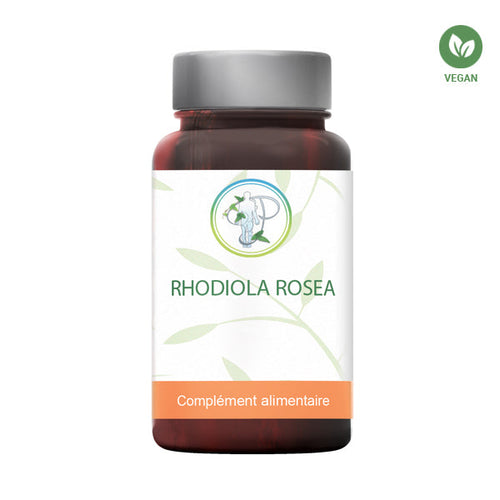
- Rhodiola (Rhodiola rosea): Improves resistance to stress and mental fatigue
- Holy basil (Tulsi): Adaptogenic and mild anxiolytic effect
Reference: Chandrasekhar, K. et al. (2012). “A prospective, randomized double-blind, placebo-controlled study of safety and efficacy of a high-concentration full-spectrum extract of ashwagandha root in reducing stress and anxiety in adults”. Indian Journal of Psychological Medicine, 34(3), 255-262.
Precaution: These plants have contraindications (pregnancy, certain medications, thyroid conditions for ashwagandha). Consult a professional before use.
3. Redefining your own measure of success
Toxic competition is based on an externally imposed definition of success: being better than the other, having more, accomplishing more quickly.
Recovery involves a personal redefinition of success:
The only truly healthy competition for your nervous system is with yourself.
- Measure yourself against the person you were yesterday, not who your neighbor is today
- Define your own criteria for success (aligned with your core values)
- Celebrate your personal progress, even if it is invisible to others
- Accept that your pace may be different from others
Your energy is precious. Do not waste it looking at your neighbor’s plate.
5. When mental fatigue requires medical attention
Distinguishing mental hygiene from pathology
Everything we have covered in this article falls under preventive mental hygiene: common-sense practices to maintain a healthy psychological balance and avoid burnout.
However, some situations go beyond prevention and require professional medical attention:
Consult a doctor or psychologist if you experience:
- Persistent fatigue that is not relieved by rest
- Sleep disorders for several weeks
- Loss of interest in activities that were previously enjoyable
- Recurring or intrusive negative thoughts
- Significant difficulty concentrating
- Unexplained physical symptoms (pain, digestive issues)
- Suicidal thoughts (emergency: call or text 988 (3114 in France))
Clinical burnout is not just a “momentary exhaustion.” It is an occupational exhaustion syndrome recognized by the WHO that requires:
- Time off work
- Psychological support
- Sometimes medication
- A profound reorganization of lifestyle
The naturopathic message:
The natural approach we offer is complementary, not alternative. It aims to:
- Prevent burnout before it becomes pathological
- Support recovery alongside medical care
- Maintain balance once the crisis has passed
Never replace medical treatment when it is necessary.
Cultivating daily peace of mind
Toxic competition is not inevitable. It is not “just the way the world works.” It is a conditioning - social, cultural, familial - that you have the power to deconstruct.
Your brain is remarkably plastic. The stress circuits you have reinforced over the years can be rewired. Compulsive social comparison can be unlearned. The joy of learning for pleasure can be rediscovered.
What we have seen in this article:
- Chronic social comparison is chemically exhausting (dopamine rollercoasters, elevated cortisol)
- Constant competitive stress atrophies the hippocampus and sabotages your ability to learn
- Intrinsic motivation - learning with joy - is neurologically superior and sustainable
- Practical tools exist: digital detox, heart coherence, adaptogenic plants, and personally redefining success
- Preventive mental hygiene does not replace medical follow-up when it is necessary
The path to peace of mind is not a destination. It is a daily practice. A choice renewed every day to protect your energy, respect your pace, and measure your worth by your own criteria.
The person you were yesterday is your only true competitor.
The rest is nothing but poison for your mind.
Want to cultivate your peace of mind every day?
Join our community and benefit from monthly support for €10/month: nervous system regulation techniques, resources on intrinsic motivation, and a supportive space for exchange away from toxic competition.
Scientific sources and references
Social psychology and comparison
1. Social Comparison Theory
- Festinger, L. (1954)
- “A Theory of Social Comparison Processes”
- Human Relations, 7(2), 117-140
- DOI: 10.1177/001872675400700202
Motivation and self-determination
2. Self-Determination Theory
- Deci, E.L., & Ryan, R.M. (1985)
- “Intrinsic Motivation and Self-Determination in Human Behavior”
- Springer, New York
- ISBN: 978-1-4899-2271-7
3. Meta-analysis on intrinsic motivation
- Cerasoli, C.P., Nicklin, J.M., & Ford, M.T. (2014)
- “Intrinsic motivation and extrinsic incentives jointly predict performance”
- Psychological Bulletin, 140(4), 980-1008
- DOI: 10.1037/a0035661
Neurobiology of stress
4. Reference work on stress
- Sapolsky, R.M. (2004)
- “Why Zebras Don't Get Ulcers: The Acclaimed Guide to Stress, Stress-Related Diseases, and Coping”
- St. Martin's Griffin (3rd Edition)
- ISBN: 978-0805073690
5. Effects of chronic stress on the brain
- McEwen, B.S. (2017)
- “Neurobiological and Systemic Effects of Chronic Stress”
- Chronic Stress, 1, 1-11
- DOI: 10.1177/2470547017692328
6. Cortisol and the hippocampus
- Lupien, S.J. et al. (2009)
- “Effects of stress throughout the lifespan on the brain, behaviour and cognition”
- Nature Reviews Neuroscience, 10(6), 434-445
- DOI: 10.1038/nrn2639
Adaptogenic plants
7. Ashwagandha and cortisol reduction
- Chandrasekhar, K., Kapoor, J., & Anishetty, S. (2012)
- “A prospective, randomized double-blind, placebo-controlled study of safety and efficacy of ashwagandha root in reducing stress and anxiety”
- Indian Journal of Psychological Medicine, 34(3), 255-262
- DOI: 10.4103/0253-7176.106022
8. Rhodiola and mental fatigue
- Olsson, E.M., von Schéele, B., & Panossian, A.G. (2009)
- “A randomised, double-blind, placebo-controlled, parallel-group study of Rhodiola rosea extract SHR-5 in subjects with stress-related fatigue”
- Planta Medica, 75(2), 105-112
Heart coherence
9. Heart rate variability and stress
- McCraty, R., & Shaffer, F. (2015)
- “Heart rate Variability: New Perspectives on Physiological Mechanisms”
- Global Advances in Health and Medicine, 4(1), 46-61
- DOI: 10.7453/gahmj.2014.073
Burnout
10. WHO classification of burnout
- World Health Organization (2019)
- International Classification of Diseases (ICD-11)
- Code QD85: burnout (occupational burnout syndrome)
Warning
Important reminder: This article is for educational and personal development purposes. It does not replace follow-up with a mental health professional (psychologist, psychiatrist). If you present symptoms of clinical burnout, depression, or suicidal thoughts, consult a healthcare professional immediately. National suicide prevention number: 988 in the US (3114 in France).
FAQ: Your questions about competition and Burnout
What is toxic competition and how to recognize it?
Toxic competition is characterized by constant comparison with others that generates anxiety, envy, and emotional exhaustion. Signs include: inability to rejoice in the success of others, constant need for external validation, emotional rollercoasters linked to comparisons, self-esteem dependent on relative performance, and a feeling of never being “enough.” It is distinguished from healthy emulation by its chronic and exhausting nature.
How does cortisol affect the brain in the long term?
Chronically elevated cortisol has deleterious effects on the brain, particularly on the hippocampus (the area for learning and memory). It reduces neurogenesis (creation of new neurons), causes atrophy of neuronal connections, and alters brain plasticity. Result: concentration difficulties, memory disorders, and paradoxically, a decline in the abilities that competition claimed to develop.
What is the difference between intrinsic and extrinsic motivation?
Extrinsic motivation is based on external rewards or punishments (winning, getting recognition, avoiding failure). It is dependent on the gaze of others and generates stress. Intrinsic motivation is based on the pleasure of the action itself (curiosity, interest, alignment with one's values). It is independent of external judgment, generates flow, and is sustainably energizing. Studies show that intrinsic motivation produces better performance in the long term.
How to practice heart coherence to reduce stress?
Heart coherence is practiced by breathing regularly: 5 seconds of inhalation, 5 seconds of exhalation (6 breaths per minute), for 5 minutes. This technique activates the vagus nerve and the parasympathetic system. For optimal results, practice 3 times a day: upon waking, before lunch, and at the end of the day. Free apps (Respirelax+, Petit Bambou) can guide you. The effects are felt after a few days of regular practice.
Do social networks promote emotional burnout?
Yes, social networks are catalysts for upward social comparison. They constantly expose you to seemingly perfect lives (staged) that activate the stress circuit and unfavorable comparison. Studies show a correlation between time spent on social networks and anxiety, depression, and lower self-esteem. A targeted digital detox (notifications disabled, limited time, feed curation) is recommended to protect your mental health.
Does ashwagandha really help reduce cortisol?
Yes, several randomized clinical studies have shown that ashwagandha (Withania somnifera) can reduce cortisol levels by 23 to 32% in stressed people. It is an adaptogenic plant that helps the body adapt to stress. However, it has contraindications (pregnancy, breastfeeding, thyroid conditions, certain medications). Consult a healthcare professional before use and favor quality standardized extracts.
How to differentiate normal fatigue from burnout?
Normal fatigue is resolved with rest. Burnout is an exhaustion that rest does not relieve. Its three dimensions are: emotional and physical exhaustion, cynicism or detachment, and a decline in the sense of accomplishment. If you have been tired for several weeks despite rest, if you are losing interest in your activities, if you have persistent sleep disorders or unexplained physical symptoms, consult a doctor.
Can you be competitive without burning out?
Yes, healthy competition exists. It is characterized by: comparison with oneself rather than others, a focus on the process rather than the result, the ability to rejoice in the success of others, and the absence of extreme emotional fluctuations. Positive emulation can stimulate without exhausting. The key is to cultivate intrinsic motivation (pleasure in progressing) rather than extrinsic (need to crush the other).



2 comments
Je suis moi même enseignante et ce contenu m’aide bcp.. Vos contenus sur le bien être naturel également. Que LE TOUT-PUISSANT vous donne les moyens suffisants pour continuer ce que vous faites.
Je suis moi même enseignantes et ce contenus m’aide bcp.. Vos contenus sur le bien être naturel également. Que LE TOUT-PUISSANT vous donne les moyens suffisants pour continuer ce que vous faites.