

Nanoplastics in bottled water: state of knowledge
In 2024, researchers made a discovery that should have made headlines everywhere: they formally identified the presence of plastic particles in human organs previously thought to be inviolable - the brain, heart, blood, and even the placenta. These synthetic polymers, which we have been manufacturing for less than a century, are now lodged deep within our biology. And the two main entry points are neither the factory nor the landfill: they are your water bottle and your morning hot drink. At Le Terrier du Bien-Être, our role is not to frighten you, but to inform you rigorously and provide concrete solutions. In this guide, we break down this modern toxicology and show you how to realistically reduce your exposure without succumbing to eco-anxiety.
Microplastics vs nanoplastics: understanding the cellular threat

A matter of size: the invisible infiltration
The distinction between microplastics and nanoplastics is essential to understanding the danger. A microplastic measures between 1 micrometer and 5 millimeters, large enough to be largely eliminated by the digestive system. A nanoplastic, on the other hand, measures less than one micrometer, or less than one thousand nanometers. To put it in perspective: a human hair measures about 80,000 nanometers in diameter. A nanoplastic is therefore hundreds to thousands of times smaller than a hair. This tiny size changes everything: at this scale, the particle is no longer simply swallowed and expelled; it can cross cellular biological barriers, enter inside cells, and accumulate in tissues.
Crossing the blood-brain barrier
Your brain is protected by one of the most selective structures in your body: the blood-brain barrier. This filtering membrane allows essential nutrients (glucose, oxygen, amino acids) to pass through while blocking almost all foreign substances, toxins, and pathogens. It is the ultimate security system for your most precious organ. However, nanoplastics are so small that they manage to cross this barrier, a fact that surprised the scientific community. Once in brain tissue, these particles remain there, as the brain has no mechanism designed to expel foreign bodies of this nature. It is this ability to penetrate deep into tissues that radically distinguishes the danger of nanoplastics from that of microplastics, which is better known.
The 3 major sources of exposure in your home
1. Bottled water: an unsuspected synthetic cocktail
This is the most striking revelation of recent research. A study published in PNAS (Proceedings of the National Academy of Sciences) by Columbia University in 2024, using new laser microscopy technology, measured that bottled water contains between 110,000 and 370,000 plastic fragments per liter, about 90% of which are nanoplastics, small enough to penetrate blood cells and the brain. These particles come from the container itself (the PET of the bottle), the cap, and the bottling process. Every sip of supposedly "pure" water is actually a massive ingestion of synthetic polymers. Drinking bottled water daily, thinking you are making a healthy choice, is paradoxically one of the main sources of exposure.
2. The thermal effect: tea bags and coffee pods
Heat is an effective catalyst for plastic release. A study by McGill University published in Environmental Science & Technology measured that a single nylon or PET tea bag, steeped at 95°C (203°F), releases about 11.6 billion microplastics and 3.1 billion nanoplastics into your cup. The same phenomenon occurs with coffee pods: even those covered in aluminum have an internal plastic film that, subjected to high temperatures and the pressure of the machine, releases particles into your espresso. Your comforting morning ritual has thus become, without you realizing it, a concentrated source of exposure, aggravated by the thermal factor which multiplies the release of particles.
3. Indoor air pollution
The third source is the most insidious because it is the most widespread: the air you breathe at home. Your synthetic clothing (polyester, acrylic, nylon), your rugs, carpets, and home textiles constantly release synthetic microfibers that accumulate in household dust. You inhale them with every breath, especially in enclosed and poorly ventilated spaces. This chronic airborne exposure adds to dietary exposure and constitutes an often ignored part of the total plastic load. Everyday plastic objects contribute to this spread, a topic we also address from the perspective of synthetic materials in our article on the dangers of plastic and EVA foam shoes.
Want an opinion on your situation? During a vitality assessment, we review your diet, sleep, stress, and goals together, then build a plan tailored to your pace.
The impact of nanoplastics on human health
Oxidative stress and systemic inflammation
How does the body react to these foreign bodies lodged in its tissues? The answer documented by Environment International and Toxicological Sciences in 2024 is an inflammatory reaction. The immune system detects these particles as intruders and tries to neutralize them, triggering a local production of reactive oxygen species, oxidative stress. When this reaction is repeated in multiple tissues simultaneously and chronically, it contributes to low-grade systemic inflammation, the same inflammatory environment found upstream of many degenerative diseases. Nanoplastics do not cause a noticeable acute poisoning, but a silent and continuous assault that constantly taxes the body's defenses.
The endocrine-disrupting effect: xenoestrogens
Beyond the physical particle itself, plastic carries its chemical additives. Plasticizers such as phthalates and bisphenol A (BPA) are recognized endocrine disruptors: they are xenoestrogens, synthetic molecules capable of mimicking the action of our natural hormones, particularly estrogens. By binding to our hormone receptors, they blur the signals of our endocrine system and disrupt glandular balance, with documented consequences on fertility, metabolism, and development. This load of endocrine disruptors adds up to that of other environmental sources, such as pesticide residues, which we discuss in our article on pesticide, medication, and immunity cross-resistance. It is the sum of these exposures, the overall toxic load, that needs to be reduced.
How to reduce your toxic load: a comparison
| Toxic source | Healthy alternative | Benefit |
|---|---|---|
| PET water bottle | Stainless steel or glass bottle + filtered water | Eliminates the main source of ingested nanoplastics |
| Nylon/PET tea bag | Loose leaf tea + stainless steel infuser | Removes billions of particles per infusion |
| Plastic coffee pod | French press (glass) or Moka pot (stainless steel) | Zero thermal release of plastic |
| Plastic containers in the microwave | Glass or ceramic containers | Avoids heat-induced release |
| Confined indoor air | Ventilation 15 min/day + HEPA filter vacuum cleaner | Reduces inhalation of synthetic microfibers |
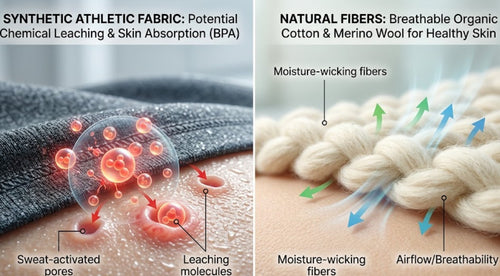
| 100% synthetic textiles | Natural fibers (cotton, linen, wool) | Decreases the release of fibers into the indoor air |
Our practical solutions to protect your terrain

Material transition: the age of glass and stainless steel
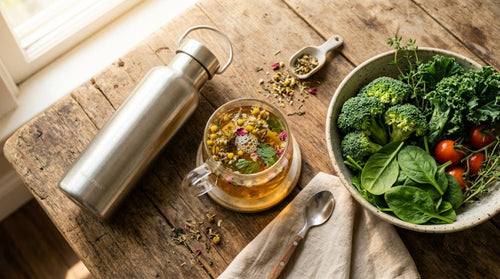
The first decision, and by far the most impactful, concerns water and hot drinks. Equip yourself with a food-grade stainless steel (304 or 316) or glass bottle, and drink filtered water at home rather than bottled water. A good filtration system - active carbon filter, reverse osmosis, or ceramic filter depending on your budget - significantly reduces the particle load. For tea, abandon bags in favor of loose leaf tea with a stainless steel infuser. For coffee, return to plastic-free methods: glass French press, stainless steel Moka pot, or non-bleached paper filter. These changes do not happen overnight and do not require buying everything at once; replace items as they wear out, prioritizing those in contact with heat and liquids.
Indoor air hygiene
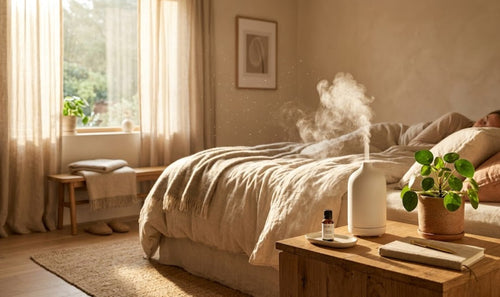
Indoor air is often more laden with particles than outdoor air. Two simple actions make a real difference: ventilating your home at least 15 minutes a day, ideally morning and evening, to refresh the air and expel suspended fibers; and vacuuming with a HEPA filter, capable of capturing fine particles rather than recirculating them. Prioritizing natural fibers for your clothes and household linens also addresses the source at its root. These environmental hygiene measures, combined, lighten the daily respiratory load.
For a complete protocol to detoxify your environment and support your excretory organs (liver, kidneys, intestines), discover our health guides and protocols: concrete steps to cleanse your daily life and support your body's natural elimination capacities.
Supporting your excretory organs: beyond reducing exposure, naturopathy emphasizes supporting the elimination organs. Good hydration (filtered water), a diet rich in fiber and antioxidants, and support for liver function help the body manage and eliminate the toxic load it cannot completely avoid.
Want daily support? Le Terrier's personalized follow-up, at €10 per month, allows you to ask us questions in writing and move forward at your own pace.
FAQ on nanoplastics and health
What is the difference between microplastics and nanoplastics?
A microplastic measures between 1 micrometer and 5 millimeters, while a nanoplastic measures less than one micrometer (less than 1000 nanometers), or hundreds to thousands of times smaller than a human hair. This tiny size allows nanoplastics to cross cellular biological barriers, enter inside cells, and accumulate in tissues, which microplastics, being larger, cannot do as easily.
How many nanoplastics are in a water bottle?
According to a study by Columbia University published in PNAS in 2024, bottled water contains between 110,000 and 370,000 plastic fragments per liter, about 90% of which are nanoplastics. These particles come from the PET bottle itself, the cap, and the bottling process. It is one of the main sources of dietary exposure to nanoplastics.
Do tea bags really contain plastic?
Yes, many tea bags are made of nylon or PET, or sealed with plastic glue. A study by McGill University measured that a single bag steeped at 95°C (203°F) releases about 11.6 billion microplastics and 3.1 billion nanoplastics. The heat of boiling water considerably accelerates this release. Prioritize loose leaf tea with a stainless steel infuser.
Do coffee pods release microplastics?
Yes. Even aluminum-covered pods generally have an internal plastic film. Under the combined effect of high temperature and machine pressure, this film releases plastic particles into the coffee. Plastic-free alternatives are the glass French press, the stainless steel Moka pot, or filter coffee with a non-bleached paper filter.
Can nanoplastics really reach the brain?
Yes. Due to their tiny size, nanoplastics can cross the blood-brain barrier, the membrane that normally protects the brain from foreign substances. Studies from 2024 (Environment International, Toxicological Sciences) have formally identified the presence of micro and nanoplastics in human brain tissue, as well as in the heart, blood, and placenta, generating potential localized oxidative stress.
What are the effects of nanoplastics on health?
Nanoplastics mainly generate oxidative stress and low-grade systemic inflammation, as the body reacts to these foreign bodies lodged in its tissues. Furthermore, plastics carry additives (phthalates, BPA) that act as endocrine disruptors (xenoestrogens) by mimicking our hormones and disrupting glandular balance, with consequences on fertility and metabolism. Research on long-term effects is still ongoing.
Is filtered tap water healthier than bottled water?
In terms of nanoplastics, filtered tap water (active carbon, reverse osmosis, or ceramic filter) is generally preferable to bottled water, which is one of the most concentrated sources of nanoplastics. A good filtration system significantly reduces the particle load. Filtered water stored in a glass or stainless steel bottle combines safety and practicality, without the plastic release of the container.
How to reduce your exposure to nanoplastics without panicking?
The goal is to realistically reduce exposure, not eliminate it entirely (which is impossible). Prioritize the most concentrated sources: replace bottled water with filtered water in a stainless steel/glass bottle, ditch tea bags and pods in favor of loose-leaf, avoid heating food in plastic, ventilate your home, and use a HEPA filter. Supporting your elimination organs with proper hydration and an antioxidant-rich diet helps your body manage the residual load.
Act with clarity, not anxiety
The presence of nanoplastics in our organs is a documented reality, and it would be dishonest to downplay it. But the goal of naturopathy is not to generate eco-anxiety; it is to give you back a sense of agency. You cannot control global pollution, but you can control your water bottle, your coffee-making method, the ventilation in your bedroom, and the fibers in your clothes. Each of these choices reduces your daily toxic load, and together they make a real biological difference. Replacing plastic with glass and stainless steel, filtering your water, ventilating your home: this is simple, realistic, and deeply protective environmental hygiene. Relieved of this continuous assault, your body regains the resources it needs to function and repair itself.

9 comments
Merci pour l’article.
Seulement depuis toujours nous en consommant donc le danger peut-être imminent
Merci pour l’article.
Seulement depuis toujours nous en consommant donc le danger peut-être imminent
Merci beaucoup pour ces conseils bénéfiques santé
Merci pour votre excellent travail d’éveil
Merci pour cette information qui est capitale pour moi. Que Dieu vous bénisse