Nutritional deficiencies: the most common in France and the signs to know
Share
Lingering fatigue, hair loss, brittle nails, cramps, repeated infections... When the body sounds the alarm, we often think of a deficiency. Sometimes we are right: even with a varied diet, certain deficiencies are common in France.
But beware of shortcuts: these signs often have other causes, and taking supplements "at random" is not without risk. Here are the most common deficiencies, the people most affected, and the right way to assess the situation.
Deficiency, insufficiency: what are we talking about?
We speak of a deficiency when a nutrient is lacking to the point of causing problems, and insufficiency when reserves are low without a diagnosed illness. Between the two, there is a whole gray area where you can feel less fit without anything being clearly abnormal.
The causes are multiple: insufficient intake, increased needs (pregnancy, growth, sports), poor absorption (celiac disease, digestive surgery, certain medications) or increased losses (heavy periods, for example).
The most common deficiencies in France
Vitamin DIt is the most widespread deficiency: in France, a large majority of adults have levels below desirable values, especially at the end of winter, according to the National Nutrition and Health Study. The sun is its main source, and food provides very little. We have dedicated a complete guide to it.
IronWomen of childbearing age are the most affected by low iron reserves due to menstruation. Pregnant women, children, teenage girls, and vegetarians are also concerned. Find out everything in our complete iron guide.
MagnesiumAccording to the SU.VI.MAX study, a majority of adults do not meet the recommended intake. Stress, intense sports, and alcohol increase losses. See our article on magnesium deficiency.
Vitamin B12It is found almost exclusively in animal products. Vegans must supplement it. Older people and those who take metformin or long-term antacids are also more exposed.
IodineNeeds increase sharply during pregnancy and breastfeeding for the baby's brain development. The main sources are seafood, dairy products, and iodized salt.
Folates (vitamin B9)For women who want to become pregnant, a supplementation of 400 micrograms per day is recommended in France from the planning stage to prevent certain birth defects.
Omega-3sOmega-3 intake, especially DHA, is often below recommendations, especially among people who eat little fish. See our article on the omega-3 / omega-6 ratio.
Other nutrients may be lacking depending on the profile: calcium in teenagers and people who do not consume dairy products, zinc in older people or vegetarians, vitamin C in case of a diet very poor in fruits and vegetables.
Warning signs
| Sign | Possible leads |
|---|---|
| Persistent fatigue, shortness of breath | Iron, vitamin B12, folates, vitamin D |
| Paleness, brittle nails, hair loss | Iron, zinc |
| Cramps, eyelid twitching | Magnesium |
| Tingling, memory problems | Vitamin B12 |
| Repeated infections | Vitamin D, zinc, iron |
| Diffuse bone or muscle pain | Vitamin D |
| Bleeding gums, slow healing | Vitamin C |
Important: these signs do not allow for a diagnosis. Fatigue can come from sleep, stress, the thyroid, depression, or illness. It is the combination of signs, your profile, and an analysis that guides you.
Who is most at risk?
- Pregnant or breastfeeding women: iron, iodine, folates, vitamin D, DHA.
- Vegetarians and vegans: vitamin B12 especially, but also iron, zinc, iodine, long-chain omega-3s.
- Older people: vitamin D, vitamin B12, protein, calcium.
- Intense athletes: iron, magnesium.
- People with digestive disease (celiac disease, Crohn's disease, obesity surgery): poor absorption of many nutrients.
- People who follow a restrictive diet, whatever it may be.
- People on certain long-term treatments: metformin, antacids, diuretics.
How to check for a deficiency?
Blood tests remain the gold standard. Your doctor can prescribe, depending on your symptoms, a test for ferritin (iron reserves), vitamin B12, folates, or vitamin D (in France, the latter is only reimbursed in certain situations).
At-home tests can be a useful addition to get an initial overview, monitor the progress of a course, or when a test is not prescribed. They do not replace medical advice in case of significant symptoms.
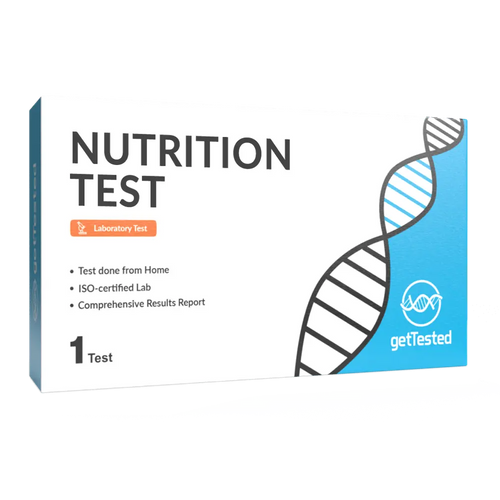
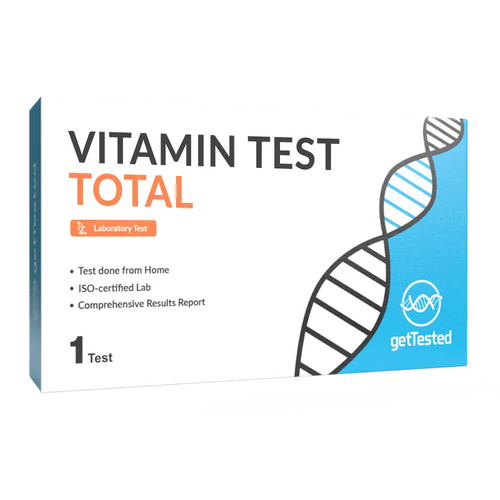
Want to check simply, from home? Discover our nutrition and deficiency at-home tests, including the Total Vitamins test and the Mineral Deficiency test.
Correcting a deficiency without making mistakes
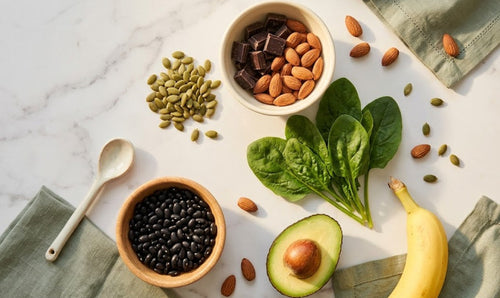
Diet remains the foundation: a varied plate, rich in plants, legumes, whole grains, nuts, with fish and dairy products or enriched alternatives. But when a deficiency is established, a supplement is often necessary, at least for a while.
Mistakes to avoid: do not take iron without checking your reserves, as an excess is toxic, especially in case of hemochromatosis. Do not stack several vitamin D supplements: serious overdoses have been reported, especially in children. During pregnancy, avoid vitamin A supplements without medical advice. And always check that a supplement does not interact with your treatments.
Finally, a deficiency always has a cause. Correcting it without looking for why it appeared (heavy periods, absorption problem, diet) does not solve the underlying problem.
Frequently asked questions
What is the most common deficiency in France?
Vitamin D deficiency is the most widespread: a large majority of adults have levels below desirable values, especially at the end of winter. Iron deficiency is also common in women of childbearing age.
What are the signs of a deficiency?
Persistent fatigue, paleness, hair loss, brittle nails, cramps, repeated infections, tingling... These signs are not specific and often have other causes. Only an analysis can confirm a deficiency.
How to know if you are lacking vitamins?
The most reliable is a blood test prescribed by your doctor depending on your symptoms. At-home tests can complement this process to get an initial overview or monitor the effect of a course.
Can you have a deficiency by eating a balanced diet?
Yes. Some nutrients are difficult to cover by diet alone, such as vitamin D in winter. Needs can also increase (pregnancy, sports) or absorption be reduced (digestive disease, medications).
Should you take supplements without an analysis?
It is not advised for iron, due to the risk of overload, nor for high doses of vitamins. Some supplementations are, however, recommended without analysis: vitamin B12 for vegans, folates for women who want to become pregnant.
Can a deficiency cause fatigue?
Yes, especially deficiencies in iron, vitamin B12, folates, and sometimes vitamin D or magnesium. But fatigue has many other possible causes: sleep, stress, thyroid, mood. Talk to your doctor if it lasts more than a few weeks.
Are vegans necessarily deficient?
No, provided they plan well. Vitamin B12 supplementation is essential. You must also pay attention to iron, zinc, iodine, calcium, and omega-3s. Support helps build a complete plant-based diet.
How long does it take to correct a deficiency?
It depends on the nutrient and the severity of the deficiency: a few weeks to feel better, often two to three months to replenish reserves, for example for iron. A check-up after the course allows you to verify the result.
Check before supplementing
Deficiencies are common, but they are not inevitable. A varied diet covers most needs, and a few situations require special attention: vitamin D in winter, iron in women, B12 for vegans, iodine and folates around pregnancy. The golden rule remains the same: listen to the signals of your body, check with an analysis, correct in a targeted way, and look for the cause. It is more effective, safer, and often more economical than multiplying supplements.
You took a test and don't know what to do with the results? Le Terrier's personalized follow-up at 10 euros per month helps you understand them and adapt your diet. For a complete assessment, book a first naturopathy consultation.
This article is for informational purposes and does not replace medical advice.
To go further
- Magnesium deficiency: how to detect it and remedy it
- Iron: deficiency, fatigue and risks of excess, the complete guide
- Vitamin D: roles, deficiency and how to properly replenish it
- Zinc: the 6 essential benefits for immunity, skin, and hormonal balance
- Intestinal health: the complete guide for a naturally balanced microbiota