Chronic depression and metabolism: what research shows
Share
A Modern Epidemic with Metabolic Roots
Depression is one of the most common health conditions: according to the World Health Organization, it affects about 5% of adults worldwide. This high prevalence is prompting researchers to look beyond traditional psychosocial factors. Recent studies in the Journal of Affective Disorders reveal interesting links between metabolic dysfunction and depressive symptoms, opening up new therapeutic perspectives.
Classic symptoms such as chronic fatigue, loss of motivation, and brain fog may reflect brain energy deficiencies rather than simple chemical imbalances. This new understanding positions the brain as a metabolically demanding organ whose specific nutritional needs, when unmet, manifest as psychiatric symptoms.
Blood Sugar and Mood: The Surprising Connection
Blood sugar fluctuations have a direct and measurable influence on mood and cognition. Research suggests that people with depression more often show blood sugar dysregulation, and that sudden fluctuations may disrupt the stable synthesis of serotonin and dopamine. Every blood sugar spike followed by a hypoglycemic crash correlates with a measurable deterioration in mood on depression scales.
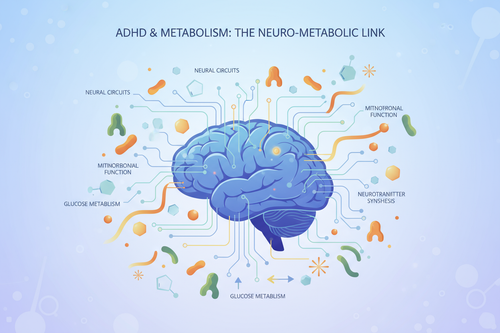
Brain insulin resistance, observed in some depressed patients in certain imaging studies, may impair the neurons' ability to use glucose. This neuronal "energy famine" manifests as characteristic symptoms of depression: fatigue, anhedonia, and cognitive impairment. A balanced diet rich in protein, fiber, and healthy fats, which helps stabilize blood sugar, has been linked to improved depressive symptoms in a few trials.
The ketogenic diet represents a promising metabolic approach. Ketones easily cross the blood-brain barrier and provide an alternative fuel source for insulin-resistant neurons. Small pilot studies without a control group have observed improved depressive symptoms under supervised nutritional ketosis; these results still need to be confirmed, and this diet should only be started with medical supervision.
Brain Mitochondria: The Powerhouses of Mood
Mitochondrial dysfunction is emerging as a central factor in chronic depression. Analyses of brain tissue collected after death suggest reduced mitochondrial activity in the prefrontal cortex of some depressed patients. This energy failure compromises all neuronal functions, from neurotransmission to neuroplasticity.
Mitochondria require specific cofactors, including CoQ10, magnesium, B vitamins, and alpha-lipoic acid, which are often deficient in depressed patients. Targeted supplementation may support energy production in neurons; its effect on depressive symptoms still needs to be confirmed. Physical exercise stimulates mitochondrial biogenesis, which may contribute to its recognized antidepressant effects.
To learn more: our "Type 2 Diabetes" guide brings together a step-by-step action plan (diet, physical activity, sleep, monitoring) to help you regain control of your blood sugar in consultation with your doctor.
The Gut-Brain Axis: The Microbial Revolution
The discovery that 90% of serotonin is produced in the gut is transforming our understanding of depression. Metagenomic studies show dysbiosis more often in depressed patients, with reduced microbial diversity and an overrepresentation of pro-inflammatory bacteria. This dysbiosis impairs neurotransmitter production and generates systemic inflammation that reaches the brain.
Specific probiotic strains demonstrate remarkable psychobiotic effects. Lactobacillus helveticus R0052 and Bifidobacterium longum R0175 reduced depression scores after 8 weeks in a double-blind controlled trial. These bacteria directly produce GABA and serotonin while modulating intestinal inflammation, creating an environment conducive to mental health.
Prebiotics amplify these effects by selectively feeding beneficial bacteria. Inulin and fructo-oligosaccharides increase the production of butyrate, a metabolite with neuroprotective properties that may reduce neuroinflammation, an effect observed mainly in animal studies.
Natural Strategies Studied: Alongside Medical Care
Intense physical exercise triggers a neurobiological cascade that benefits mood. Twenty minutes of high-intensity activity releases endorphins, BDNF, and endocannabinoids, creating a natural "high." A large meta-analysis published in the BMJ in 2024 concluded that exercise (walking, jogging, yoga, strength training) is an effective treatment for depression, to be considered alongside psychotherapy and antidepressants, with the possible added benefit of stimulating hippocampal neurogenesis.
Morning exposure to natural light (at least 10,000 lux) regulates circadian rhythms and improves serotonin production. In several studies, patients who get 30 minutes of exposure every morning see their mood improve within a few weeks. Avoiding blue light at night preserves melatonin secretion, which is essential for restorative sleep and mood regulation.
A Hopeful Integrative Approach
The links between chronic depression and metabolism open up new therapeutic perspectives. The metabolic approach does not replace conventional treatments but effectively complements them, offering additional tools to regain mental well-being. Properly nourishing the brain, improving energy production, and cultivating a healthy microbiome are accessible strategies backed by ongoing research.
This integrative vision gives hope to millions of people whose depression resists traditional approaches. By addressing metabolic roots, it becomes possible to sustainably regain energy, motivation, and zest for life.
Depression is a treatable illness: if sadness or a loss of interest lasts more than two weeks, talk to your doctor. Never stop or change an antidepressant treatment without medical advice. If you have suicidal thoughts, call or text 988 (Suicide & Crisis Lifeline) in the US, or call 3114 in France; in an emergency, call 911 in the US, or 15 or 112 in France.
To explore natural solutions tailored to your mental well-being, read our article on light therapy and the winter blues. If you would like a personalized protocol to improve your brain metabolism, book a remote consultation on our website. Regain control of your mental well-being through an informed metabolic approach.
Would you like daily support? Le Terrier's personalized follow-up, at €10 per month, allows you to ask us questions in writing and progress at your own pace.