Antinutrients: Should you be wary of them for your digestion?
Share
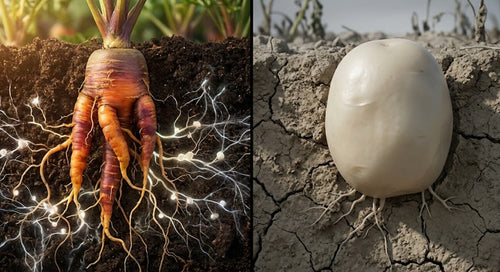
This isn't a conspiracy theory about vegetables. It's evolutionary biology applied to your plate. Unable to flee their predators, plants have developed a sophisticated chemical arsenal over millions of years to defend themselves. These defensive compounds, antinutrients, are present in almost all the plant foods we consume. Our ancestors may have instinctively neutralized them through their cooking methods, but we have largely lost this knowledge in favor of modern convenience.
The good news: these compounds can be neutralized. This article explains which ones to watch out for, how they affect your body, and time-tested, scientifically validated methods for neutralizing them without giving up plant foods.
What is an antinutrient? The evolutionary biology of your plate
Plants don't want to be eaten
Nothing in nature happens by chance. A threatened animal runs, bites, camouflages itself, or releases venom. A plant, however, is stationary. It cannot escape. Evolution has instead given it another form of defense: chemical warfare.
Antinutrients are bioactive compounds produced by plants as defense mechanisms against insects, fungi, bacteria, and herbivores. Their goal is to make the plant difficult to digest, toxic in large quantities, or nutritionally "less appealing" to the animal that consumes it, discouraging it from doing so again.
For most antinutrients, their mode of action targets two main areas in the consumer: damaging the digestive barrier (to trigger a defense response) or blocking nutrient absorption (so that the energy gained from the meal is minimal). In both cases, the plant's evolutionary goal is achieved.
An important distinction: antinutrients are not poisons in the strict sense. When consumed in reasonable amounts and prepared properly, the plant foods that contain them remain extraordinarily beneficial. The problem arises from the combination of two modern factors: large quantities of raw plant foods and simplified preparation methods that no longer neutralize these compounds.
The impact on our intestinal barrier
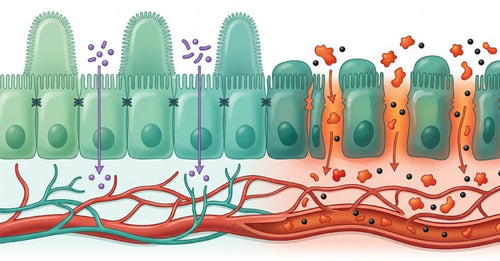
The intestinal lining is a remarkably sophisticated system. Over a theoretical surface area of 400 m² (the total length of the small intestine unfolded), a single layer of epithelial cells, called enterocytes, filters and controls everything passing from the intestinal contents into the bloodstream.
These cells are held together by protein structures called tight junctions, molecular "zippers" that prevent unwanted molecules (toxins, bacteria, undigested food proteins) from crossing the intestinal barrier directly into the blood.
Some antinutrients, led by lectins, directly interfere with these tight junctions, weakening them and increasing intestinal permeability. This is the phenomenon research refers to as leaky gut or "leaky bowel." In this state, food protein fragments and bacterial lipopolysaccharides can enter the bloodstream, triggering systemic immune responses and low-grade inflammation.
The 3 main digestive saboteurs to know
Lectins: the destroyers of tight junctions
Lectins are carbohydrate-binding proteins found in an extraordinary variety of plant foods: legumes (beans, lentils, chickpeas, soy), grains (wheat, corn, rice), nightshades (tomatoes, peppers, eggplant, potatoes), and many other plants.
Their mode of action in the intestine is precise: lectins bind to sugar residues on the surface of enterocytes (especially N-acetylglucosamine) and to the proteins of the tight junctions. This binding disrupts the structure of the junctions, increases the permeability of the intestinal barrier, and can trigger a local immune response (mast cell activation, release of histamine and pro-inflammatory cytokines).
The most potentially problematic lectins are agglutinins, such as WGA (Wheat Germ Agglutinin) or the lectin found in raw kidney beans, which can cause severe food poisoning if the beans are not cooked sufficiently (nausea, vomiting, and intense diarrhea from as few as 5 undercooked kidney beans).
References: Gundry, S.R. (2017). The Plant Paradox. Harper Wave. And: Vojdani, A. (2015). "Lectins, agglutinins, and their roles in autoimmune reactivities." Alternative Therapies in Health and Medicine, 21(Suppl 1), 46-51. The scientific controversy surrounding lectins is real: researchers agree on their potential to cause disruption in vitro and in animal studies, but debate their actual impact at typical dietary doses in healthy humans. The consensus position: people with a weakened intestinal lining are significantly more sensitive.
Foods most affected: kidney beans (especially raw or undercooked), soy, wheat (germ), raw tomatoes (skin and seeds), peppers (skin), eggplant (skin), raw potatoes.
Phytic acid (phytates): the mineral thieves
Phytic acid is the main form in which phosphorus is stored in seeds, grains, and legumes. It accounts for 1 to 5% of the dry weight of most seeds and whole grains. In itself, it is not a toxic compound. But its interactions with dietary minerals create a documented nutritional problem.
Phytic acid (or phytate, its ionized form) is an effective chelator: it forms insoluble complexes with positively charged metal ions found in food. Its primary targets are iron (Fe²⁺/Fe³⁺), zinc (Zn²⁺), calcium (Ca²⁺), magnesium (Mg²⁺), and manganese (Mn²⁺). These phytate-mineral complexes are insoluble under conditions in the gastrointestinal tract; they pass through the small intestine without being absorbed and are eliminated in the stool.
In practice: eating a bowl of unsoaked whole oats with milk (for calcium) and pumpkin seeds (for zinc and magnesium) can significantly reduce the absorption of these minerals compared to eating them separately. This mechanism partly explains why some vegetarians and vegans may have iron deficiencies or zinc deficiencies despite a "rich" diet and theoretically sufficient mineral intake.
Reference: Hurrell, R. & Egli, I. (2010). "Iron bioavailability and dietary reference values." American Journal of Clinical Nutrition, 91(5), 1461S-1467S. This review establishes that phytic acid is the main inhibitor of non-heme (plant-based) iron absorption in the Western diet, potentially reducing absorption by 50 to 80% depending on the amount consumed. The combination of phytates and polyphenols (tea, coffee) can reduce iron absorption to less than 5%.
Foods most affected: wheat bran, oats, corn, brown rice, quinoa, amaranth, lentils, beans, chickpeas, almonds, flaxseeds, sesame seeds.
Oxalates: the "detox" food trap
This is where the "healthy food" paradox is most striking. Spinach, beets, almonds, raw cacao, rhubarb, and even some "superfoods" (astragalus, moringa) - foods touted as health champions - are among the richest in oxalates.
Oxalates (oxalic acid and its salts) preferentially bind to calcium in the intestinal lumen, forming calcium oxalate, a nearly insoluble compound that reduces calcium absorption and is excreted via the kidneys. In genetically predisposed people or those consuming large amounts of oxalates, these calcium oxalate crystals can accumulate in the urinary tract and contribute to the formation of kidney stones (calcium nephrolithiasis), the most common form of kidney stones in industrialized countries.
Beyond stones, recent research is exploring the role of oxalates in diffuse joint pain, muscle pain, and fibromyalgia-like syndromes in patients with a tendency toward hyperoxaluria. The suspected mechanism: the deposition of oxalate microcrystals in soft tissues and joints, triggering a local inflammatory response.
Reference: Massey, L.K. (2007). "Food oxalate: factors affecting measurement, biological variation, and bioavailability." Journal of the American Dietetic Association, 107(7), 1191-1194. People who have had calcium kidney stones are systematically advised to limit their oxalate intake, especially large smoothies with raw spinach, concentrated beet juice, and the daily consumption of unsoaked almonds.
Foods most affected: spinach (very high), beets, rhubarb, chard, sorrel, raw cacao, almonds (unsoaked), peanuts, black tea, large quantities of parsley.
How to neutralize plants? 3 time-tested methods validated by science
Before modern food convenience became the priority, all human civilizations had developed cooking techniques that, consciously or not, neutralized these plant defensive compounds. This is no coincidence: cultures that consumed legumes and grains without preparing them properly had specific health problems that we recognize today.
| Antinutrient | Foods affected | Neutralization method | Estimated effectiveness |
|---|---|---|---|
| Phytic acid (phytates) | Grains, legumes, seeds | Soaking (12-24h) then rinsing / Sprouting / Sourdough fermentation | 50 to 90% reduction |
| Lectins | Beans, soy, wheat, nightshades | Long cooking or pressure cooking / Fermentation / Peeling + seeding | 80 to 95% (pressure cooking) |
| Oxalates | Spinach, beets, almonds | Blanching then draining / Soaking / Cooking and draining the water | 30 to 70% reduction |
| Protease inhibitors | Legumes, seeds | Sufficient cooking (minimum 10 min boiling) / Fermentation | 70 to 95% (cooking) |
| Tannins | Dark-skinned legumes, coffee, tea, red fruits | Peeling / Soaking / Avoid with iron-rich meals | Varies by method |
Method 1: soaking and sprouting
Soaking triggers the production of phytase, an enzyme naturally present in the seed whose job is precisely to break down phytic acid. By soaking your legumes or grains for 12 to 24 hours in slightly acidified water (a few drops of vinegar or lemon juice), you activate this enzyme and initiate the breakdown of phytates even before cooking. Rinse thoroughly before cooking to remove the antinutrients released into the soaking water.
Sprouting goes even further: by allowing the soaked seed to develop a tiny sprout (24 to 72h depending on the species), phytase activity is maximized, lectins are partially broken down, and the overall nutritional profile of the seed improves significantly, increasing B vitamins, vitamin C, and mineral bioavailability.
Method 2: fermentation, sourdough, and lacto-fermentation
Fermentation is probably the most powerful and versatile method for neutralizing antinutrients. Lactic acid bacteria (Lactobacillus, Leuconostoc) and yeasts use the carbohydrate substrates of the flour or vegetable as fuel, producing lactic acid that lowers the pH. This acidic environment breaks down phytates, inactivates heat-labile lectins, and can even partially predigest gluten in the case of long-fermentation sourdough bread.
A natural sourdough bread with a long fermentation (minimum 12 to 24h) contains significantly less phytic acid than industrial yeast bread, as the lactic acid bacteria have had time to break down what could not have been broken down in 2 hours of rapid proofing. Similarly, lacto-fermented vegetables (sauerkraut, kimchi, pickled vegetables) have their antinutrient profile improved by the fermentation process.
Method 3: peeling, seeding, and pressure cooking
For nightshades (tomatoes, peppers, eggplant), a simple and effective trick: most lectins are concentrated in the skin and seeds. Peeling and seeding these vegetables before consumption, especially raw, substantially reduces lectin intake. This is an instinctive practice in traditional Mediterranean cuisine (peeled tomatoes, grilled and peeled peppers).
For legumes, pressure cooking (pressure cooker) is the most effective method for destroying heat-labile lectins: the combination of heat and pressure breaks down 95% of bean lectins in 15 to 30 minutes, whereas ordinary boiling may leave a significant fraction remaining, especially if it is insufficiently long.
Reference: Samtiya, M. et al. (2020). "Plant food anti-nutritional factors and their reduction strategies: an overview." Food Science and Human Wellness, 9(2), 64-74. This review synthesizes data on the effectiveness of traditional antinutrient neutralization methods, documenting phytate reductions of 50 to 90% depending on soaking/sprouting/fermentation combinations, and lectin reductions of 80 to 95% through pressure cooking.
Should you stop eating plant foods? Le Terrier du Bien-Être's view
The answer is no, and we will explain why with the same scientific rigor as we did for the risks.
The principle of hormesis: the dose makes the poison
Antinutrients perfectly illustrate the principle of hormesis mentioned elsewhere on this blog: a compound that may be stressful at a high dose can be beneficial at a low dose. Plant polyphenols, some of which are also classified as antinutrients (tannins, for example), exert documented antioxidant, anti-inflammatory, and even anti-cancer effects at normal dietary doses. These are the same compounds that, in excess or in people with a weakened intestinal lining, can cause problems.
The strongest meta-analyses on long-term diet, including the large EPIC (European Prospective Investigation into Cancer and Nutrition) study involving 521,000 participants, invariably show that populations consuming the most legumes, whole grains, and vegetables have the most favorable mortality profiles. These populations eat antinutrients, but prepared properly, in balanced proportions, and as part of an overall diversified diet.
Improving your intestinal environment: the key to individualization
Sensitivity to antinutrients is deeply individual. It depends on the state of your intestinal lining, the diversity and richness of your microbiota, your genetics (some people naturally produce more intestinal phytase), and your history of digestive inflammatory diseases.
A person with a healthy microbiota and an intact intestinal lining can consume properly prepared legumes without any problems. A person suffering from SIBO (small intestinal bacterial overgrowth), irritable bowel syndrome, or a lining weakened by years of taking NSAIDs or antibiotics will react differently to the same foods. This is precisely why naturopathy advocates the radical individualization of dietary protocols: what is optimal for one can be disruptive for another.
These symptoms may indicate sensitivity to antinutrients or a weakened intestinal lining. My personalized naturopathic support helps you identify your specific sensitivities and adapt your diet accordingly.
Start my personalized supportTake back control of your plate
Antinutrients are not enemies to be eradicated. They are natural compounds, the result of millions of years of co-evolution between plants and their predators, that deserve to be understood and respected rather than ignored. Your body and the plants you eat are engaged in a constant biochemical negotiation, and ancestral methods (soaking, sprouting, fermentation, slow cooking) are precisely the tools humanity developed to make this negotiation favorable.
The main practical lessons to remember:
- Always soak legumes and whole grains for 12 to 24 hours before cooking, and discard the soaking water
- Choose natural sourdough bread (long fermentation) over industrial bread made with quick-acting yeast
- Cook beans in a pressure cooker or with a sustained high boil; never eat undercooked kidney beans
- Peel and de-seed nightshades (tomatoes, peppers) when eating them raw
- Do not eat large quantities of raw spinach daily in smoothies; blanching it briefly and discarding the cooking water significantly reduces oxalates
- Pair a source of vitamin C with legume-rich meals (to maximize iron absorption despite residual phytates)
- Avoid coffee and tea at meals rich in plant-based iron
Identifying your digestive sensitivities, creating a dietary protocol tailored to your intestinal health, and improving the absorption of your micronutrients is at the heart of my naturopathic support program. No dogma, just science.
Join the programWant daily support? Le Terrier's personalized follow-up, at €10 per month, allows you to ask us questions in writing and progress at your own pace.
Frequently asked questions about antinutrients
Does white rice contain lectins and phytates?
White rice contains very few lectins and phytates compared to brown rice. The milling process (which removes the bran and germ) eliminates most of the phytates, which are precisely located in these outer layers. White rice is also one of the grains best tolerated by people sensitive to antinutrients; this is why it has a reputation in traditional Asian medicine as an "easily digestible" food. The trade-off: less fiber and fewer micronutrients than brown rice. The naturopathic compromise: brown rice soaked for 12 hours, or semi-whole grain rice.
Does coffee contain phytic acid?
Yes, coffee (which comes from a bean) contains phytic acid, but in modest amounts that vary depending on the variety and preparation method. Coffee's better-documented impact on mineral absorption (especially non-heme iron) is mainly due to its polyphenols and chlorogenic acids, compounds that form insoluble complexes with iron, reducing its absorption by 40 to 70% according to studies. The practical recommendation: do not drink coffee in the hour before or after a meal rich in plant-based iron (legumes, spinach, enriched grains).
Are lentils bad for digestion because of their antinutrients?
No, if they are prepared correctly. Lentils contain lectins, phytates, and protease inhibitors, but they are also among the easiest legumes to prepare: they do not require soaking as long as beans (4 to 8 hours is enough, or even nothing for small red lentils), they cook relatively quickly, and their phytate content is lower than that of whole grains. The vast majority of people tolerate cooked lentils very well. Sprouted lentils are even better tolerated and nutritionally superior. If you are sensitive to them, start with red lentils (split, skinless, and therefore lower in antinutrients) cooked for a long time.
Should you stop eating spinach because of oxalates?
Not for most people, but moderating raw consumption is wise for everyone. Spinach is extraordinarily rich in oxalates (750 mg per 100g of raw spinach, among the highest in the plant kingdom). Quick blanching (1 to 2 minutes in boiling water, then discarding the water) reduces oxalates by 30 to 70% according to studies. However, daily smoothies with large quantities of raw spinach are strongly discouraged for people with a history of calcium kidney stones, hyperoxaluria, or unexplained widespread joint pain. For these people, replacing raw spinach with arugula (moderate oxalates) or kale (low oxalates) in smoothies is more appropriate.
Does cooking destroy all antinutrients?
No, and this is a common misconception. Cooking is very effective against thermolabile (heat-sensitive) lectins, which make up the vast majority of lectins in legumes and are destroyed at 100°C (212°F). But some lectins are thermostable, notably wheat WGA (which resists high temperatures), or lectins from certain nightshades. Furthermore, cooking only has a partial effect on phytic acid (reducing phytates by only 10 to 30%) and does not solve the problem of oxalates (their solubility increases with heat, but they persist in cooked foods). This is why soaking and fermentation methods before cooking are complementary and necessary for complete neutralization.
Can you really eat sourdough bread if you are sensitive to gluten?
For people with celiac disease: no, sourdough bread still contains gluten and remains strictly contraindicated. For people with non-celiac gluten sensitivity (NCGS): the situation is more nuanced. Long sourdough fermentation (at least 12 to 24 hours) partially breaks down the most immunogenic gluten fractions (especially gliadins) and significantly reduces phytates. Pilot studies show better tolerance of long-fermented sourdough bread compared to regular bread in subjects with NCGS, but this is not universal. If you have a confirmed gluten sensitivity, always test with your doctor or nutritionist before reintroducing sourdough bread.
Are nuts and almonds affected by antinutrients?
Yes, almonds, cashews, walnuts, and seeds (flax, sesame, sunflower) all contain significant amounts of phytic acid. Almonds are also rich in oxalates. The ancestral solution: soak nuts for 8 to 12 hours in salt water (salt activates the enzymes that break down phytates), then rinse and either consume them immediately or dry them in the oven at a low temperature (50°C (122°F) maximum to preserve the fatty acids). This process reduces phytates by 20 to 50% and improves digestibility. "Activated" almonds (soaked and dried) found in stores do precisely this. Nut butters (almond butter, tahini) generally have a more favorable phytate profile because grinding facilitates their breakdown.
Is soy particularly problematic in terms of antinutrients?
Soy is indeed one of the legumes richest in antinutrients: lectins (especially in raw soy), phytates (among the highest in legumes), trypsin inhibitors (a digestive enzyme for proteins), and goitrogens (compounds that can interfere with the thyroid). This profile explains why raw or insufficiently processed soy is nutritionally and digestively problematic. The good news: traditional Asian forms of soy, tempeh (fermented), miso (fermented), natto (fermented), and tofu (coagulated and pressed), have all undergone processes that drastically reduce these antinutrients. This is precisely why Asian populations have consumed soy for thousands of years without problems, always in fermented or processed forms, never raw. Avoid ultra-processed industrial "textured soy" and prefer these traditional forms.
Warning: this article is written for educational purposes. It does not constitute medical or dietary advice. If you have chronic digestive conditions, kidney stones, or food allergies, consult your doctor before making any significant dietary changes.
Main sources: Samtiya, M. et al. (2020), Food Science and Human Wellness, Hurrell, R. & Egli, I. (2010), American Journal of Clinical Nutrition, Massey, L.K. (2007), Journal of the American Dietetic Association, Vojdani, A. (2015), Alternative Therapies in Health and Medicine, Gundry, S.R. (2017), The Plant Paradox.