Digestive issues: common causes and natural solutions
Share
If your stomach consistently bloats after every meal, if you alternate between constipation and diarrhea, or if abdominal pain regularly punctuates your days, your gut is sending you distress signals that would be dangerous to ignore. Digestive disorders are very common: according to a large international study published in Gastroenterology in 2021, about 40% of adults have functional digestive disorders. Irritable bowel syndrome alone affects 10 to 20% of adults, while 40% suffer from gastroesophageal reflux. This explosion of digestive pathologies, whose incidence has tripled in fifty years, represents a global healthcare cost exceeding 142 billion dollars annually.
Nine meters of living ecosystem in distress
Your digestive system is much more than a simple food processing tube. These nine meters of intestines house one hundred trillion bacteria, making up the gut microbiota, a complex ecosystem weighing nearly two kilograms. This "second brain" constantly communicates with your central nervous system, produces 90% of your serotonin, and houses 70% of your immune cells.
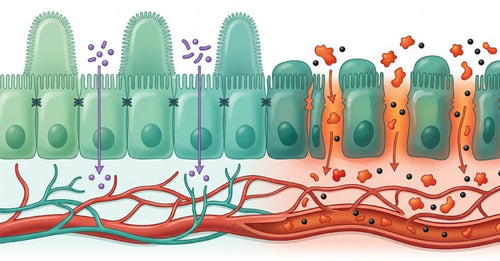
When this microbial balance is broken, a condition called dysbiosis sets in. Chronic inflammation of the intestinal mucosa alters its permeability, allowing molecules normally confined to pass into the bloodstream. This intestinal hyperpermeability, commonly known as "leaky gut," triggers a systemic inflammatory cascade associated with many chronic pathologies. The resulting malabsorption of nutrients generates deficiencies and profound fatigue, even with an apparently balanced diet.
Research published in Science in 2019 by the Sonnenburgs demonstrates that the modern microbiota has become considerably impoverished, losing nearly 40% of its bacterial diversity in three generations. This microbial erosion directly correlates with the increase in inflammatory, metabolic, and autoimmune diseases.
The six modern destroyers of your gut
Excessive use of antibiotics is the first identified culprit. Professor Martin Blaser, in his pioneering work published in Nature Reviews Microbiology, establishes that a course of broad-spectrum antibiotics destroys up to 90% of intestinal bacterial species. Some never recover, creating a permanent impoverishment of the microbiota. Western children receive an average of ten to twenty courses of antibiotics before adulthood, shaping a fragile digestive environment.
Ultra-processed food now represents 60 to 80% of calories consumed in developed countries, according to a BMJ study. These products, devoid of fiber and loaded with additives, starve the good bacteria while feeding pathogens. Emulsifiers such as carboxymethylcellulose and polysorbate-80, ubiquitous in industrial food, directly alter the protective mucosal barrier.
Chronic stress involuntarily contracts the intestinal muscles and reduces blood flow to the mucosa. The bidirectional gut-brain axis transforms every psychological tension into an intestinal spasm. Modern wheat is sometimes blamed: it comes from conventional breeding (no GMO wheat is grown commercially), and studies do not clearly show that its gluten content has increased. In some people without celiac disease, however, gluten or other wheat components may contribute to digestive discomfort.
Pesticide residues, particularly glyphosate, disrupt the microbial balance by acting as selective antibiotics. Studies show that these molecules favor pathogenic bacteria at the expense of protective strains. Finally, eating too quickly, without sufficient chewing, sends undigested bites into the stomach, which ferment and generate bloating and inflammation.
The eight signs of intestinal distress
Your gut communicates its suffering long before diagnosed pathologies appear. Systematic bloating after meals indicates excessive fermentation, often linked to a microbiota imbalance or indigestion. The alternation between constipation and diarrhea, characteristic of irritable bowel syndrome, reveals a dysfunction of intestinal motility.
Unusual fatigue occurring one to two hours after meals reflects a postprandial inflammatory reaction or reactive hypoglycemia linked to dysbiosis. The appearance of new food intolerances, particularly to lactose, gluten, or FODMAPS, signals an increase in intestinal permeability. A coated tongue upon waking, covered with a white or yellow coating, reflects the state of your digestive flora.
Chronically unpleasant breath, resistant to tooth brushing, often comes from small intestinal bacterial overgrowth (SIBO). Recurring abdominal pain without an identified cause and unformed stools, either too liquid or in small hard pellets, complete this clinical picture. The presence of four or more symptoms from these eight indicators strongly suggests a suffering gut in need of intervention.
If your symptoms started after age 50, or come with blood in your stool, unexplained weight loss, fever, or pain that wakes you up at night, see your doctor promptly.
Seven strategies for intestinal regeneration
Probiotic supplementation at a minimum dose of ten billion colony-forming units gradually repopulates the intestinal ecosystem. A meta-analysis in Clinical Microbiology Reviews confirms the effectiveness of specific strains such as Lactobacillus rhamnosus GG and Bifidobacterium lactis in restoring microbial balance. The minimum duration of supplementation is established at three months to achieve lasting colonization.
L-glutamine, a conditionally essential amino acid, constitutes the preferred fuel for enterocytes, the cells forming the intestinal barrier. At five grams a day, it may help support the intestinal barrier, and studies suggest a positive effect on permeability in some people. Ask your doctor first if you are pregnant, take medication, or have liver or kidney disease. Research published in Current Opinion in Clinical Nutrition demonstrates a measurable improvement in intestinal integrity after eight weeks.
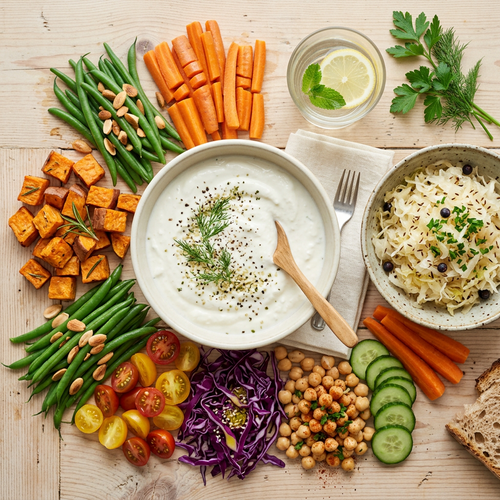
Prebiotic fibers, found in vegetables, fruits, and legumes, selectively feed the good bacteria, which in turn produce short-chain fatty acids, effective local anti-inflammatories. 16/8 intermittent fasting, alternating sixteen hours without food and an eight-hour eating window, offers the digestive system a daily regenerative rest. Research from the Annual Review of Nutrition establishes a significant reduction in intestinal inflammation after eight weeks of practice.
Prolonged chewing, ideally thirty times per bite, initiates digestion through salivary enzymes and considerably reduces the gastric and intestinal workload. The turmeric-ginger duo has intestinal anti-inflammatory properties demonstrated by several meta-analyses, particularly effective in irritable bowel syndrome. Finally, warm lemon water on an empty stomach gently stimulates bile production and prepares the digestive system without aggression.
The hope of complete regeneration
Nature has endowed you with an exceptional intestinal regeneration capacity. The work of Professor Hans Clevers, published in Cell, reveals that the intestinal epithelium completely renews itself every three to five days. Every cell of your mucosa is replaced, offering a constant opportunity for reconstruction.
With consistent habits kept up for a few months, many people notice a clear improvement in their digestive comfort, alongside medical follow-up if symptoms persist. This transformation manifests as a noticeable energy boost, clearer skin free from inflammatory manifestations, restored emotional balance thanks to the optimal production of intestinal neurotransmitters, and of course, the gradual disappearance of digestive symptoms.
For those wishing to improve this regeneration with pharmaceutical-grade probiotics, pure L-glutamine, targeted prebiotics, or complete digestive formulas combining turmeric, ginger, and enzymes, you can ask us for advice, or consult your doctor. And if you desire personalized support to develop a protocol adapted to your specific digestive issue, identify your intolerances, and rebuild your intestinal health, remote consultations are available on our site with a detailed analysis of your symptoms and personalized follow-up.
Want daily support? Le Terrier's personalized follow-up, at €10 per month, allows you to ask us questions in writing and move at your own pace.