

Making Your Own Plant-Based Milk: The Naturo Guide (and the Perfect Recipe)
The plant-based milk market has exploded in France over the past five years, driven by a collective awareness of the impact of intensive farming and the rise in lactose intolerance. Almond, oat, soy, coconut, rice... supermarket shelves are overflowing with alternatives presented as natural, healthy, and environmentally friendly. But behind these plant-themed packages and nutritional promises lies a far less flattering reality.
Here is what commercial plant-based milks contain, their effect on the microbiota and blood sugar, and a recipe for creamy, customizable homemade pistachio milk that can be made in five minutes.
The truth about industrial plant-based milks: a health illusion?
One of the most widespread biases in modern food is the "health halo". A product labeled "plant-based," "organic," "lactose-free," or "natural" is automatically perceived as healthy, without anyone bothering to look at the ingredients list. This is exactly the trap millions of consumers fall into with commercial plant-based milks.
Additives and the microbiota: the impact of emulsifiers
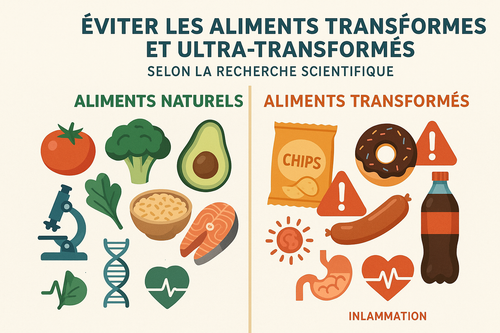
Open any carton of industrial plant-based milk and read the ingredients list. After water (always the first ingredient) and the nut or seed (often only 2 to 5%), you will find a host of additives designed purely for technological purposes: to stabilize the emulsion, extend shelf life, create a creamy texture, and prevent water and fat from separating.
Among the most common are xanthan gum, guar gum, carrageenan, sunflower lecithin, carboxymethylcellulose (CMC), and phosphates. These substances are not poisons in the strict sense. But their regular and cumulative consumption is beginning to raise serious scientific questions.
Reference: Chassaing, B. et al. (2015). "Dietary emulsifiers impact the mouse gut microbiota promoting colitis and metabolic syndrome." Nature, 519, 92-96. This landmark study demonstrated that two very common emulsifiers, polysorbate 80 and carboxymethylcellulose (CMC), disrupt the gut microbiota by degrading the protective mucus layer of the intestinal wall in mice, promoting low-grade chronic inflammation and markers of metabolic syndrome. Although conducted on animal models, this study served as a major warning to the scientific community and launched an extensive research program on the impact of emulsifiers in humans.
The glycemic index and ultra-processing trap
The case of industrial oat milk is particularly instructive - and misleading. Raw oats are a cereal with a moderate glycemic index, rich in beta-glucans (soluble fiber) that slow down carbohydrate absorption. So they are fairly healthy.
The problem: to turn oat flakes into a liquid beverage, manufacturers use a process called enzymatic hydrolysis. Enzymes (amylases) are added to break down oat starch into simple sugars, mainly maltose. This process is essential to create a smooth, slightly sweet beverage without adding sugar to the label. But it changes the product's glycemic profile: industrially hydrolyzed oats can have a glycemic index of 80 to 90, comparable to white bread, compared to 40 to 55 for whole oats.
The result: you drink a product labeled "healthy" that causes a blood sugar spike and therefore an insulin spike - exactly what we try to avoid in a naturopathic approach focused on energy and metabolic balance.
The dilution scam: you are paying for water and marketing
One final point, this time mathematical. The vast majority of industrial plant-based milks contain between 2% and 5% of the nut or seed listed on the packaging. The rest is water, often tap water, sometimes filtered. In practical terms, a liter of almond milk costing 2.50 euros contains about 20 grams of almonds. A 200-gram bag of raw almonds costs less than two euros and can make several liters of homemade milk concentrated at 10 to 15% real content. The difference in nutritional value is clear.
Comparison table: industrial vs. homemade plant-based milk
| Criterion | Industrial plant-based milk | Homemade plant-based milk |
|---|---|---|
| Actual nut or seed content | 2 to 5%, the rest is added water | 10 to 15% depending on your recipe, fully nutrient-dense |
| Additives and emulsifiers | Gums, carrageenan, phosphates, industrial lecithins | Zero additives, 100% controlled ingredients |
| Glycemic impact | High (especially enzymatically hydrolyzed oat and rice) | Moderate to low, no enzymatic hydrolysis |
| Impact on the microbiota | Potentially disruptive (emulsifiers, Chassaing 2015) | Neutral to positive depending on the ingredients chosen |
| Actual cost per liter | 2 to 4 euros for 2% real content | 0.80 to 1.50 euros for a milk 5 to 6 times more concentrated |
| Customization | None, formulated for the mass market | Total, adapted to your needs (protein, sweetness, texture) |
Why raw nuts and seeds are your best health allies
Beyond the industrial problem, it is important to understand why unprocessed nuts and seeds are a cornerstone of naturopathy and modern functional nutrition. The difference lies mainly in their composition.
Lipid profile and cardiovascular prevention
Nuts and seeds - almonds, hazelnuts, cashews, pistachios, walnuts - are rich in monounsaturated and polyunsaturated fatty acids, particularly omega-9 (oleic acid) and omega-6. When these lipids are not damaged by industrial heat or oxidation, they have a documented protective effect on the cardiovascular system: reduced oxidized LDL, improved HDL/LDL ratio, and systemic anti-inflammatory effects.
Reference: Guasch-Ferré, M. et al. (2013). "Frequency of nut consumption and mortality risk in the PREDIMED nutrition intervention trial." BMC Medicine, 11, 164. The famous PREDIMED study, conducted with over 7,000 participants at high cardiovascular risk, demonstrated that regular consumption of walnuts and unprocessed nuts and seeds significantly reduced cardiovascular mortality. These benefits are linked to the intact lipid profile of the fatty acids - a profile that is largely lost during industrial ultra-processing.
Preserved micronutrient richness
Homemade plant-based milk, prepared cold from raw nuts and seeds, preserves the entire natural nutritional matrix:
- Vitamin E (tocopherol): an effective fat-soluble antioxidant that protects cell membranes from oxidative stress, particularly abundant in almonds and hazelnuts.
- Magnesium: a co-factor for over 300 enzymes, essential for the nervous system and energy production (ATP), found in pistachios, almonds, and cashews.
- Zinc: a key trace element for immunity, protein synthesis, and skin health.
- Phytosterols: plant compounds that compete with dietary cholesterol for intestinal absorption, contributing to a favorable blood lipid profile.
These micronutrients are absent or highly diluted in industrial milks with only 2% nuts and seeds.
How to make your own plant-based milk effortlessly
Until now, the main hurdle with homemade plant-based milk has been the process: soaking the nuts and seeds overnight, blending, straining with a nut milk bag (and cleaning everything afterward), collecting the okara... A series of steps that quickly discourages most people, despite their initial good intentions.
It is precisely to remove this constraint that the new generation of plant-based milk machines has been developed, integrating blending and straining into a single compact, easy-to-clean device that can be used hot or cold. In less than five minutes, you get a liter of fresh plant-based milk, without residue or laborious preparation.
The machine we use at Le Terrier du Bien-Être
The Milky allows you to prepare your milk hot or cold, with or without prior soaking, and cleans up in thirty seconds. It is our recommendation for transitioning to homemade milk without the hassle.
Exclusive promo code:
10TERRIERDiscover the Milky
Our recipe: creamy, customizable pistachio milk

Homemade pistachio milk
For 1 liter of milk
Base ingredients:
- 100 g raw unsalted pistachios (or replace with blanched almonds or hazelnuts, depending on your preference)
- 1 liter filtered water (cold or hot depending on use)
- 1 pinch of salt (optional, enhances flavors)
Optional ingredients:
- Sweetness and mineral option: 1 to 2 pitted Medjool dates, which provide a mild natural sweetener, fiber, and natural electrolytes (potassium, magnesium) without a sharp glycemic spike.
- Protein option: 1 scoop (25-30 g) of unflavored protein powder (native whey, rice protein, or unflavored hemp protein), added to create a post-workout drink or a filling breakfast that steadily stabilizes blood sugar.
Preparation with the Milky:
- Pour the pistachios into the Milky container (with the dates if you chose that option).
- Add filtered water up to the 1-liter mark.
- Start the "cold milk" program (or "hot milk" if you want an immediate hot beverage for a matcha latte or hot chocolate).
- Collect your milk directly filtered into the container. If you added protein powder, mix it in after the blending cycle by simply stirring.
- Store in an airtight glass bottle in the refrigerator for a maximum of 3 to 4 days.
Naturopathic tip: drink your pistachio milk at room temperature on an empty stomach or between meals for optimal micronutrient absorption. When used in your coffee or porridge, the natural lipids in pistachios slow down carbohydrate absorption and smooth out your morning blood sugar.
3 common mistakes to avoid with homemade plant-based milks
- Using salted or roasted nuts and seeds: industrial roasting oxidizes delicate fatty acids and destroys some of the fat-soluble vitamins. Always choose raw, unsalted nuts and seeds. Raw ones are more economical and nutritionally superior.
- Neglecting soaking when you don't have a suitable machine: phytic acid found in nuts and seeds is an anti-nutrient that chelates iron, calcium, and zinc, reducing their absorption. Soaking for 8 to 12 hours in warm water is enough to largely eliminate it. With the Milky, this prerequisite disappears, as the device handles raw nuts and seeds.
- Adding refined sugar for sweetness: this betrays the entire point of making your own milk. Medjool dates are the ultimate naturopathic sweetener: a moderate glycemic index thanks to fiber, a source of potassium and magnesium, and a natural caramelized flavor. Two dates are enough for a perfectly balanced liter of milk.
Take control of your metabolism, one glass at a time
Making your own plant-based milk is not a step backward or a militant constraint. It is simply choosing to know what you put in your body, and not confusing healthy food marketing with nutritional reality.
Behind every carton of industrial plant-based milk are 95% water, synthetic emulsifiers, and often a glycemic profile your pancreas does not deserve. Behind a glass of homemade pistachio milk are intact fatty acids, vitamin E, bioavailable magnesium, and zero compromises on your microbiota.
Health begins on your plate, and in your glass. And the good news is that this transition takes five minutes.
The "Le Terrier du Bien-Être" program guides you step by step through a functional diet adapted to your individual needs: analysis of your habits, personalized protocols, weekly Q&A, and long-term follow-up. No dogma, no frustration.
Join the programWant daily support? Le Terrier's personalized follow-up, at €10 per month, allows you to ask us questions in writing and progress at your own pace.
Frequently asked questions: homemade plant-based milks
Why make your own plant-based milk?
Making your own plant-based milk allows you to control 100% of the ingredients. You avoid industrial emulsifiers (gums, carrageenan, CMC) that disrupt the gut microbiota according to research by Chassaing et al. (2015), you control the glycemic index without hidden sugars or enzymatic hydrolysis, and you drastically increase the actual proportion of nuts and seeds, going from 2 to 5% in industrial products to 10 to 15% in your homemade recipe. The nutrient density is incomparable.
What is the best nut or seed for a plant-based milk?
It all depends on your nutritional goals. Blanched almonds are the most versatile: rich in vitamin E, neutral in flavor, and ideal for both savory and sweet preparations. Hazelnuts provide a warm nutty flavor and are rich in cardioprotective oleic acid. Pistachios offer an exceptional antioxidant profile (lutein, zeaxanthin) and a unique naturally slightly sweet flavor. Cashews provide the creamiest texture, perfect for lattes and plant-based sauces. Vary the nuts and seeds each week to diversify your micronutrient intake.
Does commercial oat milk raise blood sugar?
Yes, often more than you might think. To make smooth, slightly sweet oat milk without adding sugar, manufacturers use enzymatic hydrolysis: amylases break down the oat starch into maltose (a simple sugar). As a result, store-bought oat milk can have a glycemic index between 80 and 90, comparable to white bread, despite the label stating "no added sugars." For stable blood sugar, choose homemade nut milk made from nuts such as almonds, pistachios, or hazelnuts, which are naturally low in carbohydrates and high in fats that slow down absorption.
How long does homemade plant-based milk last?
Homemade plant-based milk lasts 3 to 4 days in the refrigerator in an airtight glass bottle. Without preservatives or industrial stabilizers, it is naturally perishable, which is precisely a sign of its quality. It is normal for it to separate when left sitting: simply shake it before use. During busy weeks, prepare your milk at the beginning of the week and consume it within four days. Avoid plastic containers, which can alter the taste and the quality of the fats.
Should you always soak nuts before making milk?
Soaking is recommended for two reasons: it eliminates some of the phytic acid (an antinutrient that reduces the absorption of iron, calcium, and zinc) and makes blending easier by softening the fibers. Soaking for 8 to 12 hours in warm water is sufficient. However, with certain plant-based milk machines such as the Milky, soaking is no longer necessary: the blending power and water temperature effectively process raw nuts, making the daily process even easier.
How can I naturally sweeten my plant-based milk?
The best natural option: 1 to 2 pitted Medjool dates blended directly with your nuts. They provide a natural caramelized flavor, soluble fiber that moderates the glycemic impact, potassium, and magnesium (valuable electrolytes for the nervous system). Although their glycemic index is moderate, it is tempered by the fats in the nuts, which slow down fructose absorption. Avoid agave syrup (high glycemic index and rich in free fructose), white honey (high index), and, of course, refined sugar.
Can you heat homemade plant-based milk?
Absolutely, this is one of its great advantages. Homemade plant-based milk holds up very well to gentle heat (below 80°C (176°F)) for preparing a matcha latte, raw cacao hot chocolate, porridge, or plant-based béchamel. Above 90°C (194°F), some heat-sensitive vitamins (vitamin E, certain enzymes) may be degraded. With machines like the Milky, you can even prepare hot milk directly by using hot water during the blending cycle, resulting in a hot, fresh, additive-free drink in less than five minutes.
Are the additives in commercial milks harmful?
Taken in isolation and occasionally, these additives are not acutely toxic. But their daily and cumulative consumption over years is beginning to concern researchers. The study by Chassaing et al. (2015), published in Nature, showed that two very common emulsifiers (polysorbate 80 and CMC) degraded the intestinal mucus layer and disrupted the microbiota in animal models, promoting systemic inflammation and markers of metabolic syndrome. Other studies are accumulating on carrageenan and its impact on intestinal permeability. The caution of the precautionary principle clearly favors homemade products.


1 comment
Merci beaucoup pour ces infos.
je vous suis depuis le début.
je ferai ce lait avec mon blender … Merci.